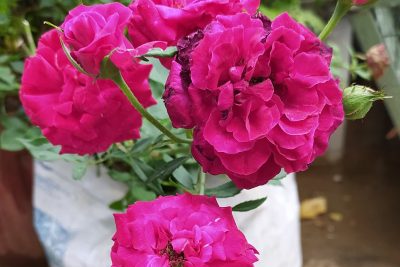
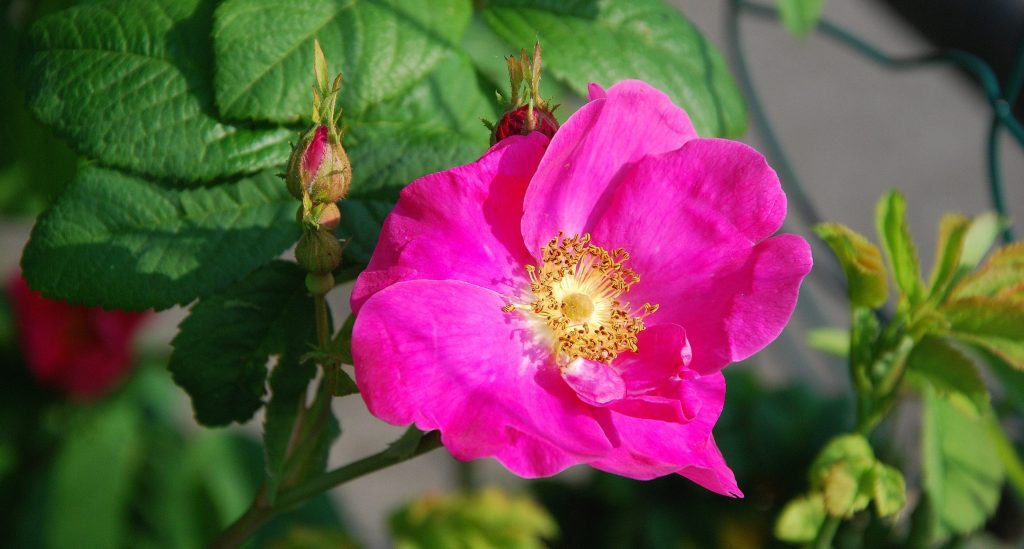
French Rose is a deciduous shrub with thorny stems, attractive foliage, and fragrant pink flowers. Moreover, the older plants have a rounded growth habit with numerous branches arising from a woody base. Leaves consist of a few leaflets on thin stems. The flowers are usually deep pink to rosy-purple and have a pleasant fragrance appreciated by gardeners and botanists alike. Following flowering, bright red rose hips form and are visually attractive well into later seasons.
The French rose grows at a moderate pace and can also live for decades under the right conditions. Most flower from late spring to early summer and make stunning seasonal displays. The species shows good tolerance of temperate climates and also of seasonal cold.
Buzzing with Life and Biodiversity
The French rose is a native of Europe and western Asia, where it grows naturally in grasslands, the edges of woodlands, meadows, and other open habitats. French roses are grown in the gardens for their horticultural history and as ornamental plants.
Beetles and other pollinating insects depend on scented flowers for their nectar and pollen. Besides bees, butterflies, beetles, and other flower visitors often visit the blooming shrubs. French rose increases habitat complexity and provides habitat for wildlife, adding to biodiversity.
Journey from Flower to Fruit
After flowering, birds eat the rose hips and disperse their seeds throughout suitable habitats. Additionally, thick stems provide shelter for small animals and nesting sites for some birds. Reproduction occurs by flowering, pollination, seed formation, and vegetative spread. For successful germination, seeds often need particular environmental conditions. Gardeners often propagate selected forms through cuttings or layering.
Enduring Symbol of Beauty and Diversity
Potential threats include fungal diseases, habitat alteration, invasive competitors, and some insect pests. Conservation efforts are directed to maintain the genetic diversity in wild populations and traditional cultivars. The French rose is still in great demand for its fragrance, ecological value, and horticultural value. Furthermore, the flower, fruit, and wildlife interactions illustrate the ecological importance of the species. Additionally, gardeners, conservationists, and researchers studying plant-pollinator relationships continue to take an interest in the species.