Description
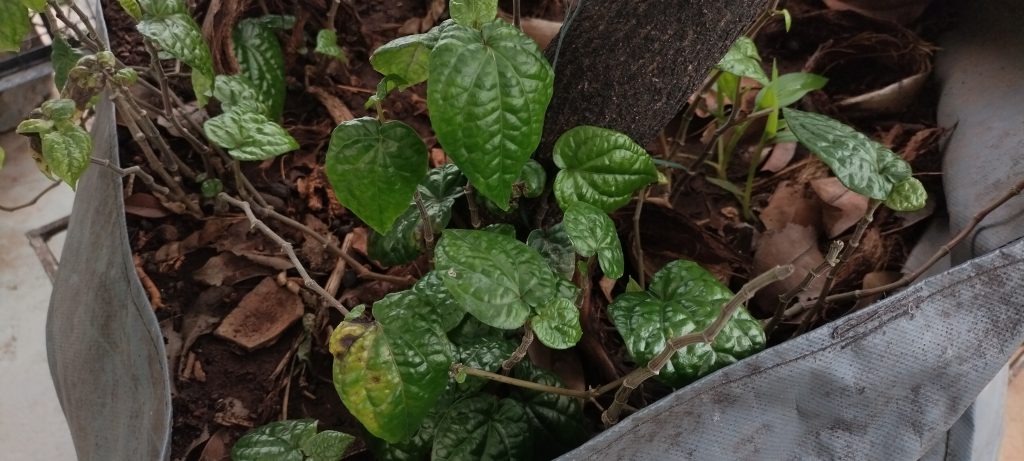
Betel vine is an evergreen, perennial climbing plant with woody stems. The stems produce small roots that help the vine attach to trees and other supports. Its leaves are bright green, glossy, hairless, and heart-shaped, with deep veins and smooth edges. The leaf stalks are reddish, like the stems. The plant produces small white flowers in clusters called catkins, which grow from the stem nodes.
The flowers may hang down or stand upright and have no distinct petals or sepals. Its fruits are fleshy and round to oval-shaped. Betel vine originates from South and Southeast Asia, and people cultivate it extensively in India and other tropical regions.
Growing Conditions
It thrives in warm, humid, and tropical climates. It prefers well-drained, fertile soil that can retain moisture without becoming waterlogged. Regular, light irrigation is important because the plant prefers consistently moist conditions. The vine needs support, such as a pole, trellis, tree, or other structure for climbing. People commonly propagate it through stem cuttings.
Vernacular Names
Betel leaf has different names across South and Southeast Asia. In Arabic, people call it Tanbol, while Burg-e-Tanbol is used in Persian. English-language sources also widely call the plant betel vine, betel leaf, betel pepper, and wild pepper. The English word betel comes from the Malayalam and Tamil word Vettila, meaning betel leaf, through Portuguese.
Piper betle has numerous regional names in India. People call it Paan in Hindi and Bengali, Veeleyada ele or Veeleya in Kannada, and Tamalapaku in Telugu. The Sanskrit names Tambula and Nagavalli particularly reflect the plant’s long history in Indian traditions.
Medical and Other Uses
Medical Uses
People have used betel leaves in traditional medicine and household remedies across Asia for a long time. Traditional preparations use the leaves for their aromatic, digestive, and carminative properties. People have also applied them externally to wounds, ulcers, boils, and bruises, while heated leaves have traditionally served as poultices for coughs and other complaints. These traditional uses should not be taken as established medical treatments.
Culinary Uses
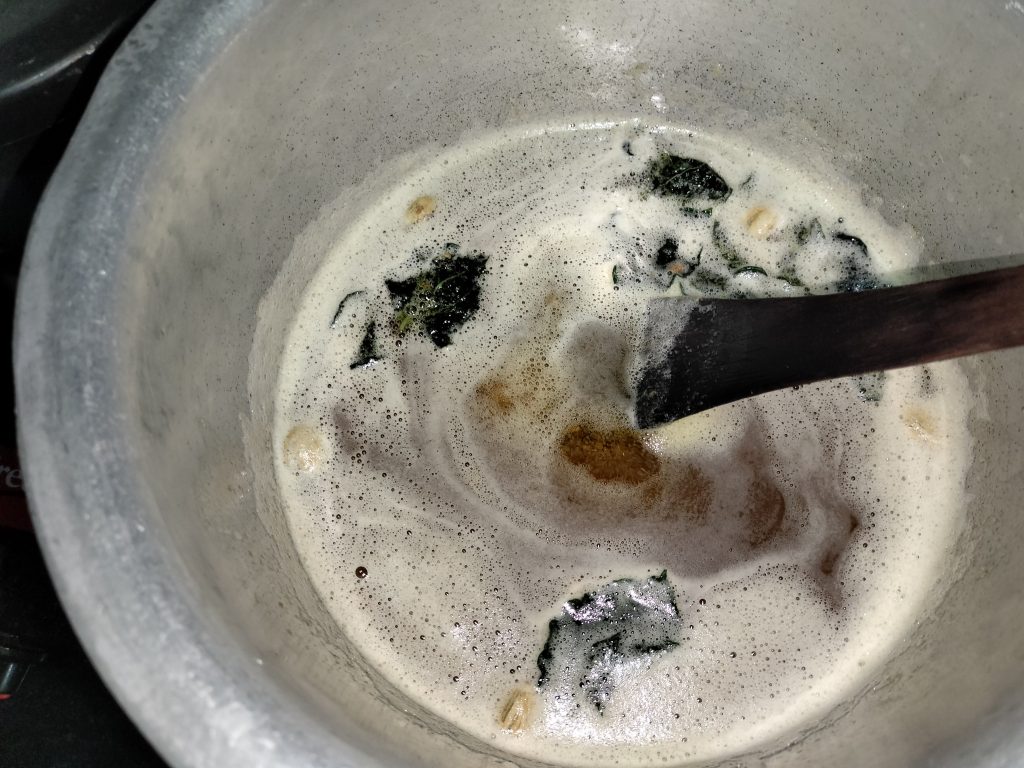
People also use betel leaves in cooking as a fresh aromatic ingredient, adding a distinctive peppery and slightly spicy flavor to some dishes and preparations. In some traditional preparations, people also use the leaves while making ghee, where they can contribute their characteristic aroma. In China and other parts of South and Southeast Asia, people may incorporate fresh betel leaves into culinary preparations for their aromatic or peppery character.
Other Uses
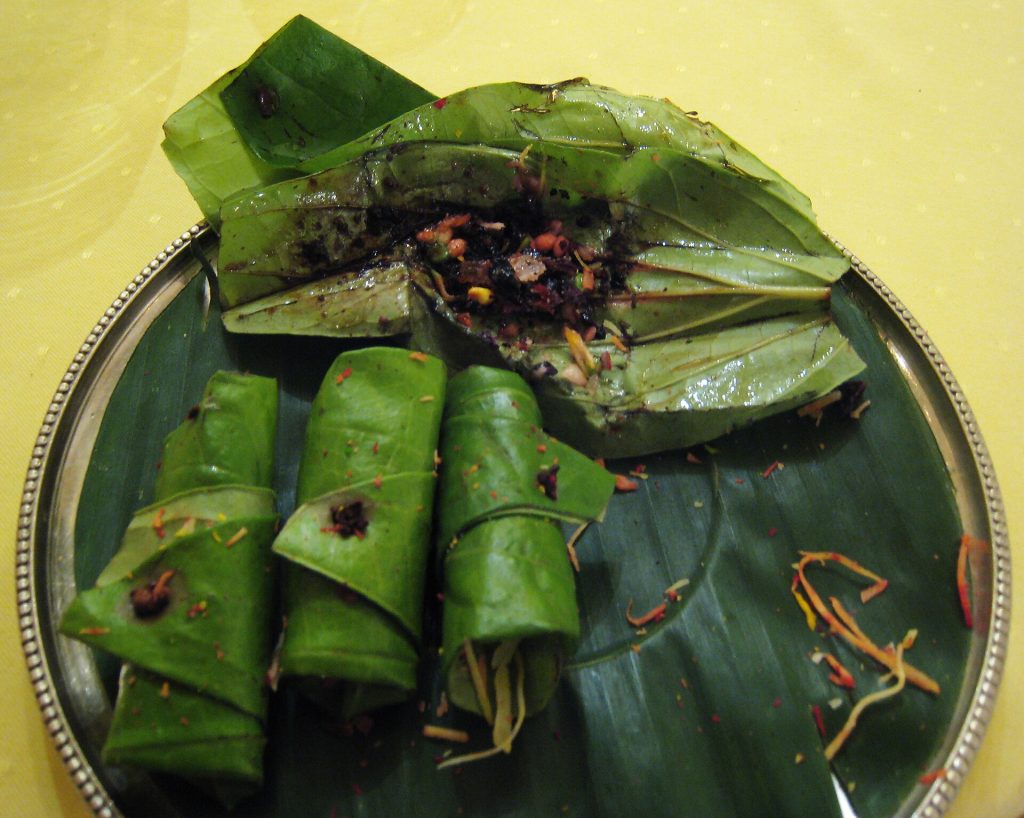
One of the most widespread uses of betel leaves is in paan, or betel quid, in which people use the leaf to wrap ingredients such as areca nut, lime, and sometimes tobacco. The leaf itself primarily provides flavor and aroma. However, areca nut and tobacco are associated with serious health risks, and habitual chewing of betel quid is strongly associated with oral and other cancers.
People traditionally eat paan after meals in many South Asian communities because they consider betel leaf aromatic and digestive, and chewing it provides a fresh, lingering flavor in the mouth. However, the health effects of paan depend greatly on its ingredients. Products containing areca nut or tobacco carry significant health risks.
People also use the leaves in cooking, particularly as a fresh aromatic ingredient, and the cultivated crop has considerable economic importance. In Papua New Guinea and the Solomon Islands, people consume the flower stalks of the betel plant, known as daka or “mustard stick,” along with the leaves.
Cultural and Religious Significance
Betel leaf has an important place in the cultural and religious traditions of South and Southeast Asia. In India and Sri Lanka, people traditionally offer betel leaves as a symbol of respect, hospitality, and good fortune during weddings, New Year celebrations, religious ceremonies, and other important occasions. They may also offer them to elders, physicians, and astrologers along with money or areca nuts as a sign of respect and gratitude. In Bengali weddings, the bride traditionally covers her face with betel leaves before meeting the groom.
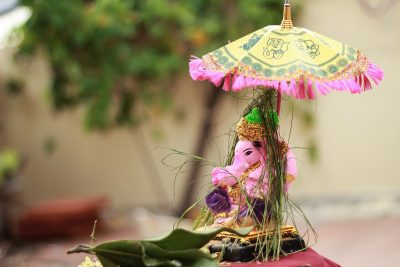
During Ganesh Chaturthi, people offer betel leaves to Lord Ganesha as Tambula, often along with betel nut. They may also use them to hold dakshina during worship. People also use them as eco-friendly decorations, such as floral backdrops and wall art for the Ganesha idol, or arrange the leaves in special shapes, or stitch flowers like jasmine onto them to decorate lamps and puja trays. People make garlands with the leaves or mark dots onto the leaves with turmeric or vermilion.
Frequently Asked Questions
Betel leaves contain aromatic compounds and essential oils that give them their characteristic warm, peppery flavor and strong fragrance. The flavor can vary depending on the variety and growing conditions.
It may spread along the ground, but it grows much better when given a support. Its climbing stems can attach to suitable surfaces and structures, allowing the plant to develop vertically.