A Living Splash of Color
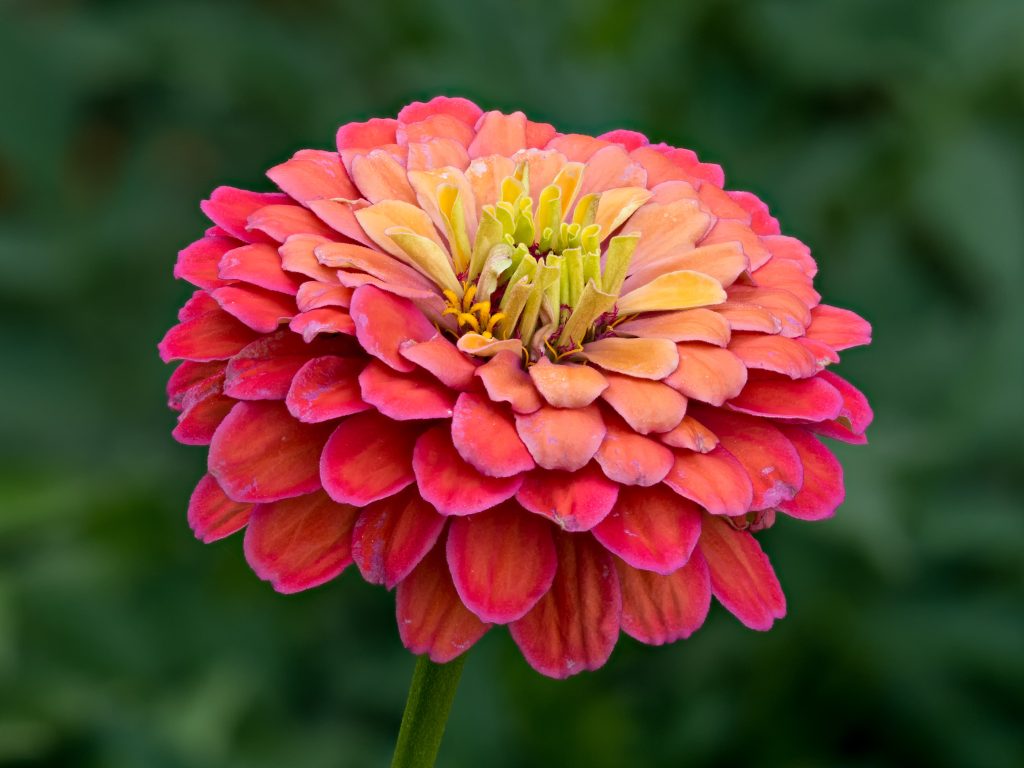
The common zinnia is an annual plant with fast-growing, erect stems, rough leaves, and vivid flower heads. It varies in height but generally produces abundant blooms throughout the growing season in colors such as red, pink, yellow, orange, white, purple, and multicolored.
Natural Floral Design
Many florets around a central disc form each flower head, giving it a composite structure, which also efficiently attracts pollinators. Strong root development supports vigorous growth and prolonged flowering.
Endless Blooming Power
Common zinnia thrives in full sun and warm conditions, with flowering that typically continues from early summer until frost. The species is heat-tolerant and adapts well to a variety of garden environments.
A Haven for Pollinators
Zinnias provide high ecological value by producing abundant nectar and pollen. They are especially popular in pollinator gardens, attracting butterflies along with beetles, hoverflies, and other beneficial insects.
From Mexican Grasslands to Global Gardens
The common zinnia originates from the grasslands and open habitats of Mexico and is now widely cultivated around the world. High genetic diversity leads to wide variation in flower color and form. After flowering, some birds feed on the mature seeds. Dense plantings also increase habitat complexity and provide nectar resources for insects.
The Cycle of Renewal
The plant reproduces through flowering, pollination, and seed development. Pollinators fertilize the flower heads, and the plant produces many seeds that natural agents disperse, or gardeners collect and sow. Gardeners often save seeds for future planting because the plants establish easily.
Challenges and Widespread Stability
Common threats include powdery mildew, leaf spot diseases, insect pests, and environmental stress from poor airflow. Despite this, widespread cultivation reduces conservation concerns.
A Timeless Garden Essential
Common zinnia widely grows as a popular annual flower valued for its long blooming period, ease of cultivation, and wildlife benefits. It enhances gardens by providing color, supporting pollinators, and adapting to diverse growing conditions.