Beauty Built to Last
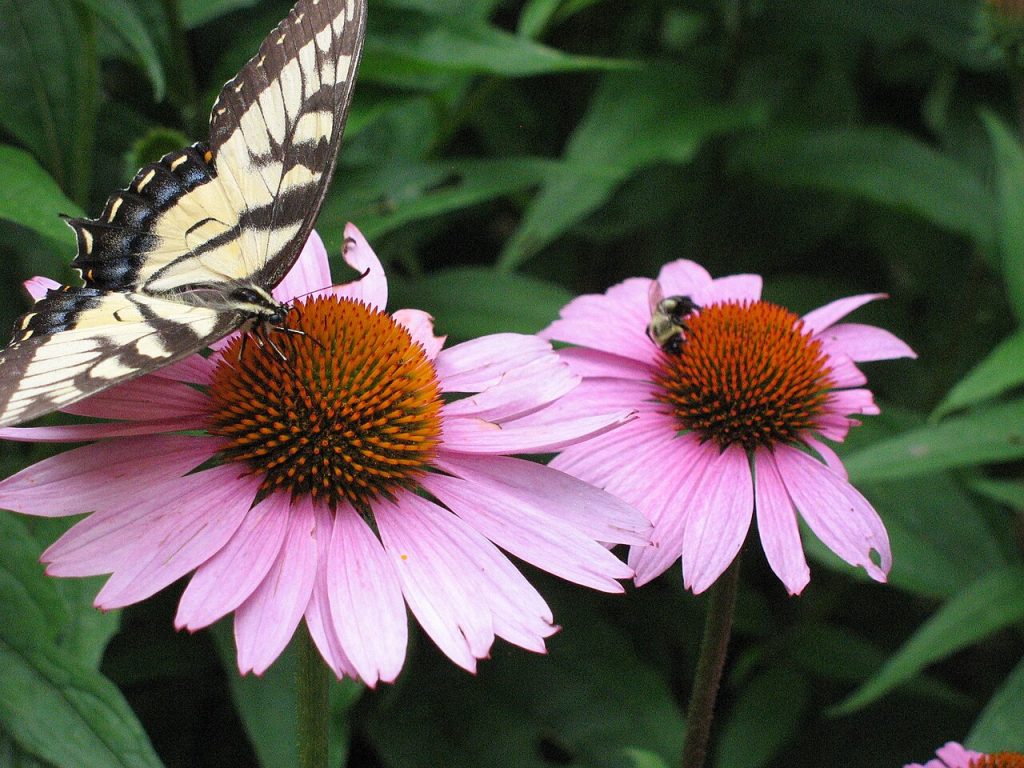
Purple Coneflower is a tough herbaceous perennial with upright stems, rough leaves and distinctive purple-pink flower heads. Mature plants form clumps, lending structure and colour over the length of the growing season. The flower heads have drooping petals around a prominent spiny central cone, an important identification feature. Deep root systems extend into the soil and improve drought tolerance. Purple coneflower is a moderate grower and will last for many years if conditions are right. It flowers usually from summer to early autumn and therefore has prolonged ecological value.
Nature’s Clever Design
The species is well adapted to grassland environments and can cope with periods of heat, drought and seasonal changes. Additionally, an interesting scientific fact is that the central cone is made up of many individual florets, which develop sequentially over time. As a result, this arrangement extends the flowering usefulness for pollinators.
A Magnet for Wildlife
Purple Coneflower is an important nectar and pollen source for biodiversity. As a result, blooming plants are regularly visited by bees, butterflies, moths and other beneficial insects. After flowering is over, goldfinches and other seed-eaters often consume the mature seeds. In addition, small mammals could also feed on seeds and the surrounding vegetation. The species naturally occurs in prairies, grasslands, open woodlands, meadows and roadside habitats throughout central and eastern North America. Therefore, it is a popular plant for gardens, restoration projects and pollinator habitat.
Strength Beneath the Soil
Equally remarkable is the scientific fact that the deep roots allow the plant to access moisture that is not available to many shallow-rooted species. Furthermore, these roots aid in soil stabilisation and ecosystem resiliency as well. Their modes of reproduction are flowering, pollination, seed production and gradual increase in clump size. Meanwhile, insects help to move pollen between flowers, which is important for the seeds to develop properly. Likewise, birds help to spread the seeds by eating the mature seed heads.
A Native Worth Protecting
Some threats to this biome include loss of habitat, invasion by non-native species, land-use alterations, and various other disturbances affecting the grasslands in their natural form. Some conservation efforts for this ecosystem include prairie restoration and preservation of native plant populations.
A Prairie’s Lasting Legacy
Purple Coneflower is one of the most important native perennial plants because of its hardiness, ornamental value and ability to attract wildlife. The long blooming period, environmental importance and adaptability of native plants demonstrate their value in the environment. The species still draws attention from gardeners, conservationists, and researchers alike.