
Birdwatching and Healthy Brain Aging
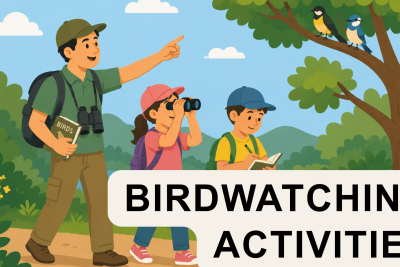
Birdwatching is the practice of observing birds for recreation, education, or citizen science. People can watch birds in their natural habitats using binoculars or spotting scopes. They can identify birds by their calls and songs or observe them through public webcams and smart bird feeder cameras.
Evidence suggests that birdwatching may support healthy brain aging by engaging multiple cognitive processes, including attention, memory, visual recognition, and continuous learning. Additionally, research indicates that long-term birdwatching may help slow age-related cognitive decline and strengthen the brain’s resilience.
The Science of Aging and Birdwatching
A 2026 study published in the Journal of Neuroscience by researchers at Baycrest Hospital in Toronto compared experienced birdwatchers with beginners using magnetic resonance imaging (MRI). Expert birdwatchers showed denser and more complex brain tissue in regions involved in visual processing, attentional control, working memory, and object recognition. They also performed better on bird identification tasks and certain cognitive tests.
Although age-related changes were observed in all participants, the decline was less pronounced among experienced birdwatchers. This suggests that years of mentally demanding birdwatching may help build cognitive reserve. Cognitive reserve is the brain’s capacity to cope with aging and disease. However, the study was observational and cannot prove that birdwatching directly caused these differences. Other factors, such as education or lifestyle habits, may also have influenced the findings.
Benefits of Birdwatching
Improved Mental Well-Being
Additional studies have linked birdwatching to improved mental well-being. A study published in BioScience found that people living in neighborhoods with greater bird diversity reported lower levels of depression, anxiety, and stress, regardless of income. Similarly, researchers from the University of Exeter found that older adults who regularly observed birds around their homes experienced fewer symptoms of psychological distress.
Birdwatching Together May Prevent Dementia
Group birdwatching is emerging as a promising, low-cost, nature-based activity. It may support dementia prevention and improve the well-being of people living with dementia.
A collaborative birdwatching initiative by the Royal Society for the Protection of Birds (RSPB) and Age UK in Birmingham was designed for people living with dementia and their caregivers. Participants attended regular guided birdwatching sessions in local parks. They observed birds, listened to birdsong, and shared their experiences with others. Facilitators reported improvements in mood, memory stimulation, and social engagement. Some regular participants gradually became better at recognizing bird species and their calls. The weekly sessions also helped reduce feelings of isolation. They provided a meaningful routine and opportunities to reconnect with both nature and the community.
By engaging attention, memory, observation, and continuous learning, group birdwatching supports healthy cognitive aging. It also encourages social interaction, gentle physical activity, and time outdoors. Together, these are lifestyle factors linked to healthy cognitive aging.
A 2025 cohort study from China provides evidence that outdoor activities can further reinforce these benefits. The study reported that older adults who participated in outdoor activities almost every day had approximately a 25% lower risk of developing dementia than those who rarely spent time outdoors.
Gym for Your Body, Birds for Your Mind
Most people visit the gym to strengthen their bodies. Few realize that simply watching or listening to birds can also benefit the mind. Scientific studies suggest that seeing or hearing birds can improve mood, reduce stress, and create a lasting sense of calm. In many cases, these positive effects continue for several hours. This makes birdwatching one of the easiest ways to support mental well-being.
Being a bird watcher is itself an act of meditation. The mind moves away from work, TV shows, and other daily distractions. Instead, it becomes involved in noticing colorful feathers, melodic songs, and graceful flight. This helps the brain relax. Even a few minutes of bird watching from a garden, park, balcony, or window can make a great difference. Think of it this way: the gym keeps your body fit, while birds keep your mind fresh.
Every Walk Sounds Better With Birds
Nature walks provide a refreshing experience. Noticing the birds in your environment can make them even more rewarding. Studies show that people who live close to environments with at least 14 types of birds experience the same level of life satisfaction as those whose income has increased.
The diversity of birds makes daily activities more interesting. Diversity in songs, colors, flying techniques, and behavior creates an ever-changing environment. It keeps people engaged with the natural world. Rather than taking walks only for exercise, bird watchers often observe seasons, sounds, and even new kinds of birds.
The benefits extend beyond identifying bird species. Watching wildlife encourages people to slow down, stay mindful, and remain present in the moment. This attitude can help reduce mental exhaustion. It also provides a much-needed break from constant busyness and digital distractions. Even simple walks in a park become more interesting with birdwatching.
A Deeper Connection with Nature
Birdwatching also contributes to greater awareness of one’s surroundings. People who know which birds live nearby often become interested in maintaining green spaces and planting native species. Spending time in nature has also been associated with lower stress levels, reduced blood pressure, improved mood, and better overall mental well-being. These benefits contribute to long-term brain health.
A Hobby for Life
You do not need costly equipment or expertise to benefit from birdwatching. Sometimes all you have to do is hear birdsong or notice a few birds while taking a walk.
The next time you step outside, look beyond the walking trail. The birds around you may offer something far more valuable than you expect—a deeper connection with nature and a happier state of mind.
Frequently Asked Questions
Bird watchers look and listen for birds, study and document them and may contribute their bird watching data to science. They explore new places in the search of new or rare bird species. Their information can help keep a track of birds and their migratory routes, nests and activities.
To keep it simple, all you need is your eyes and ears. You can enhance this experience with a pair of Binoculars, a notebook, a camera or smartphone. A simple bird guide can make the experience even more enjoyable.