Description
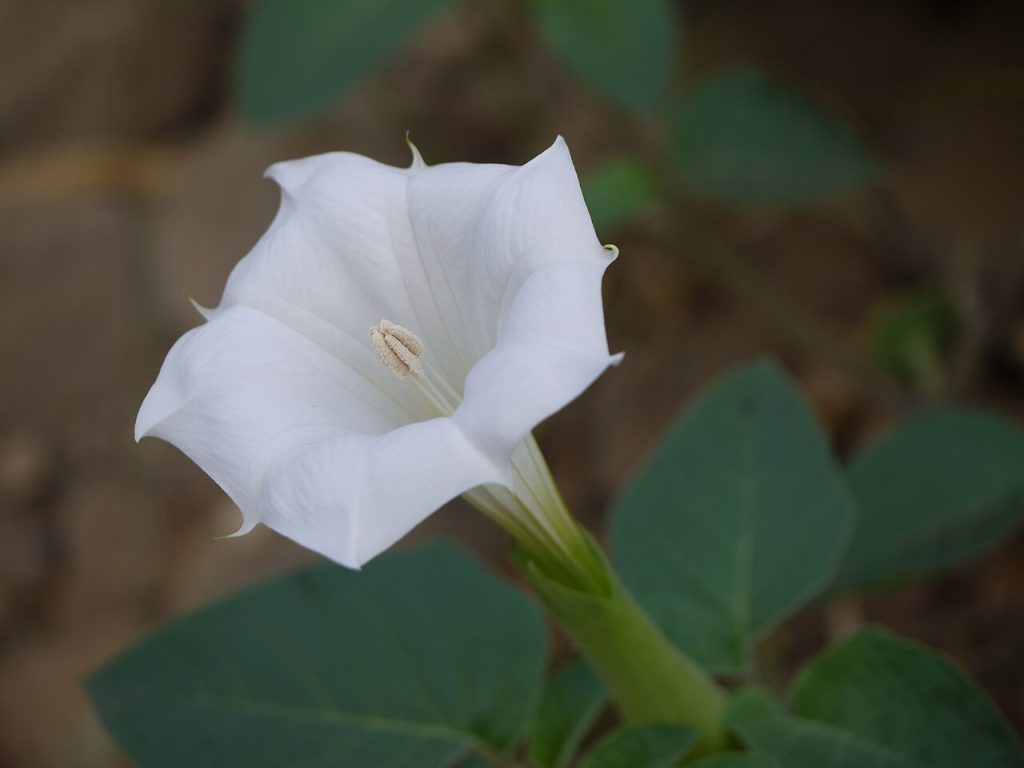
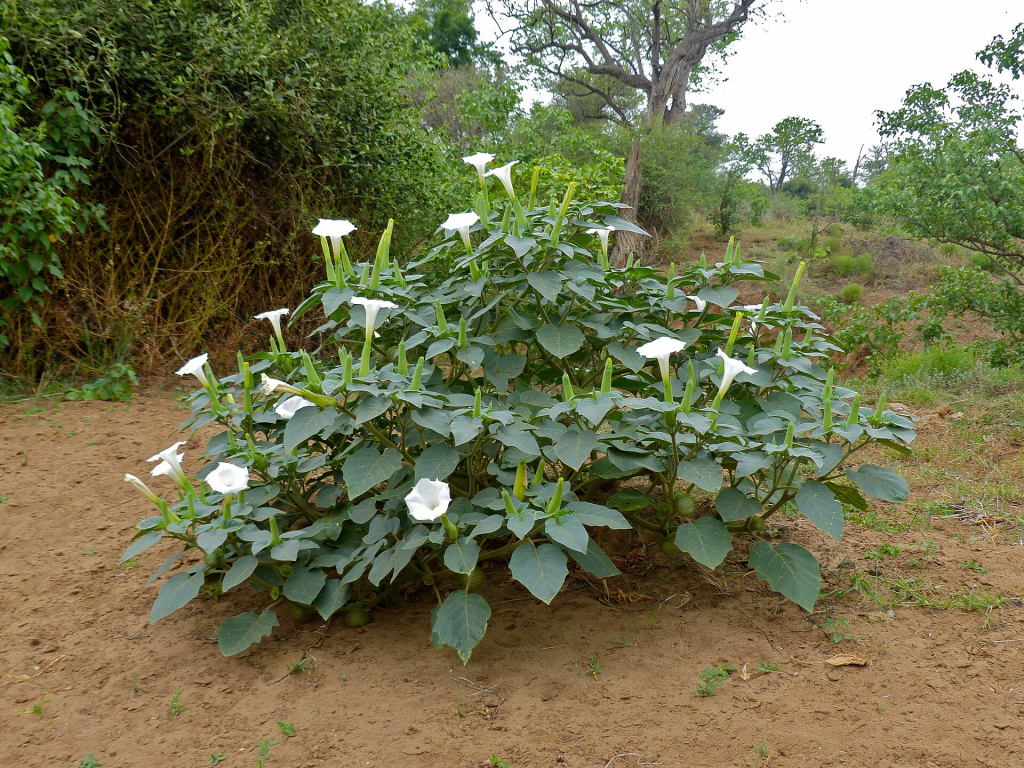
Downy thorn-apple is a tender herbaceous perennial and often grows as an annual. It is a bushy, tuberous-rooted subshrub belonging to the nightshade family, Solanaceae. Short, soft, grayish hairs cover the stems and leaves, giving the plant a characteristic downy or velvety appearance. The leaves are broadly elliptic with smooth or slightly uneven margins.
The plant produces large, white, trumpet-shaped flowers, which usually open in the evening and are pleasantly fragrant. Its fruit is an egg-shaped, spiny capsule about 5 cm across that splits open when mature to release numerous seeds. The species originates from the southwestern United States, Mexico, Central America, and parts of South America, but people have introduced it to many other regions, where it commonly grows on roadsides, wastelands, uncultivated fields, and other disturbed areas.
Growing Conditions
The plant prefers warm conditions, full sunlight, and well-drained soil. It also prefers loose soil and can tolerate relatively dry conditions once established. Regular watering encourages healthy growth. People usually propagate it from seeds and cuttings.
Vernacular Names
Datura innoxia has several common names in different parts of the world. English names include downy thorn-apple, thorn-apple, pricklyburr, recurved thorn-apple, moonflower, Indian-apple, and sacred datura. In Mexico, people widely know the plant as toloache, along with names such as toloatzin and toloaxihuitl, which come from Nahuatl. Other regional names include tlapatl, nacazul, and tapate. People use several regional names for this plant in India. These include Safed Dhatura in Hindi, Oomathai, Seemai Oomaththai, Vellam Mattai in Tamil, Ummam or Ummata in Malayalam, Ummetha in Telugu, and more.
Toxicity of Downy Thorn-Apple
All parts of Datura innoxia contain tropane alkaloids, including atropine, scopolamine, and hyoscyamine, making the plant poisonous. Accidental or intentional ingestion can cause dry mouth, dilated pupils, rapid heartbeat, confusion, severe delirium, hallucinations, seizures, coma, and potentially death. Children and animals also face risks, so people should never consume the plant or use it for homemade medicinal preparations.
Medical and Other Uses
Datura innoxia has a history of traditional medicinal use, although its poisonous nature makes the plant hazardous. It contains tropane alkaloids, particularly atropine, scopolamine, and hyoscyamine, which affect the nervous system. Historical traditions used different parts of the plant for purposes associated with pain relief, sedation, and the treatment of wounds.
Some Indigenous traditions in the Americas used plant preparations externally, including as poultices for wounds. Datura species have also featured in traditional practices involving analgesic, sedative, and anesthetic effects.
Today, purified compounds such as atropine and scopolamine have established medical applications, but this does not make crude Datura innoxia preparations safe. The concentration of active alkaloids can vary between plants, and ingestion can result in severe poisoning, delirium, hallucinations, coma, or death. People should therefore not use the plant for self-medication.
Apart from its traditional medicinal history, people cultivate Datura innoxia as an ornamental plant because of its large, fragrant, white flowers and attractive appearance. Its evening-opening flowers can attract nocturnal pollinators such as hawkmoths. However, the species can also behave as a weed in some regions and establish itself in agricultural fields and other disturbed habitats.
Cultural and Religious Significance
Datura innoxia has a long ethnobotanical history among Indigenous peoples of the Americas. Groups such as the Chumash and Zuni historically used Datura as a sacred plant in spiritual ceremonies, rites of passage, and divination. They traditionally believed its psychoactive effects could help people gain spiritual insight and communicate with the supernatural world. Among the Chumash, people also used it in practices associated with healing serious illnesses and countering negative omens.
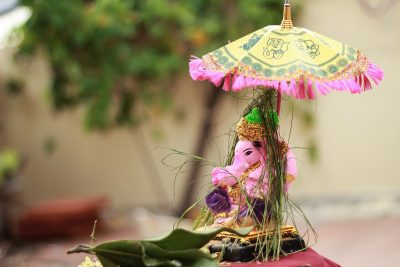
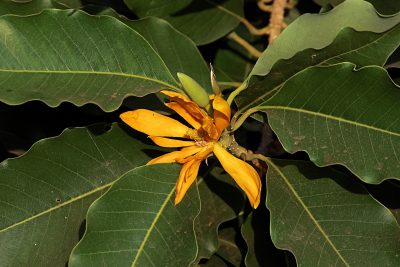
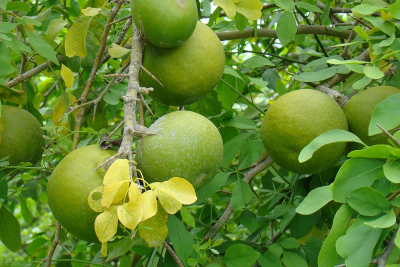
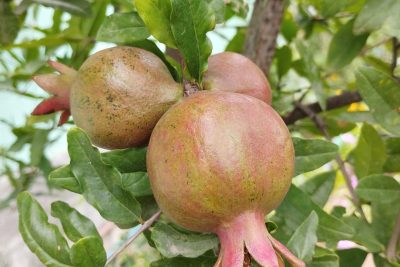
In India, Dhatura has religious significance in Hindu worship. People traditionally include its leaves in Ganesh pooja among the 21 sacred offerings (Ekavimshati Patra Puja). Traditional beliefs associate the leaves with strength and protection and hold that they can help remove obstacles, ward off negative energies, purify the worship space, and invite divine blessings.
Frequently Asked Questions
Their evening opening and strong fragrance make them particularly noticeable after sunset, when nocturnal insects become active.
Datura innoxia generally has softer, grayish hairs and rounded, nodding seed capsules, while Datura stramonium has less hairy foliage and upright, spiny capsules.