Botanical Characteristics
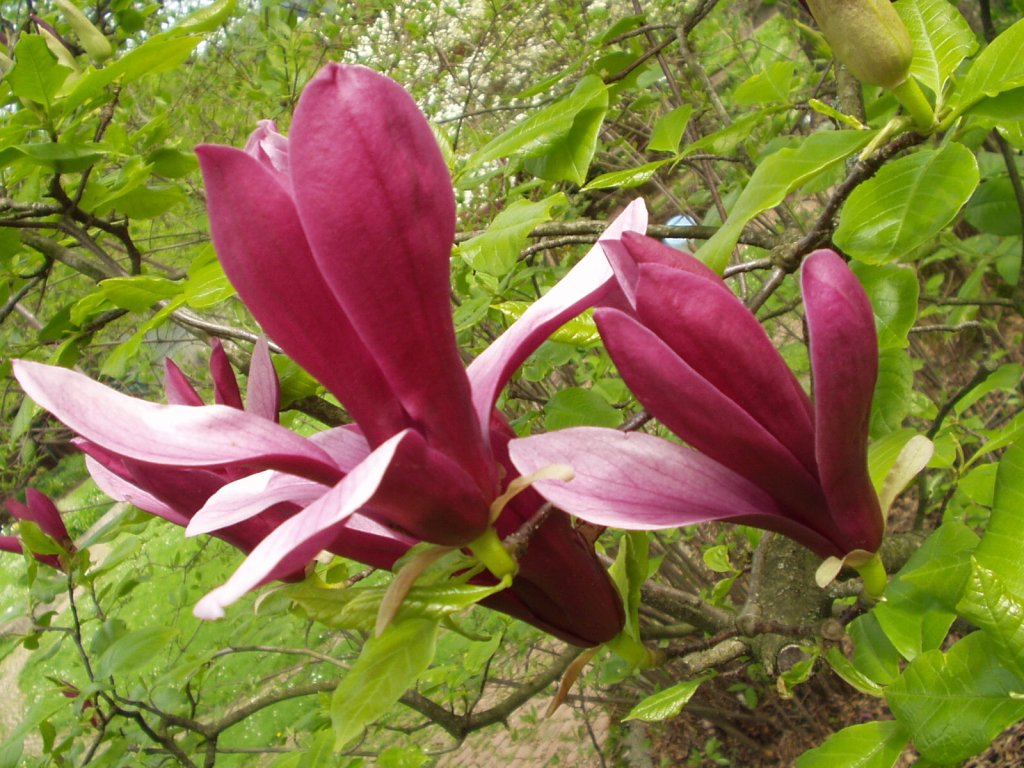
Lily Magnolia is a deciduous flowering shrub or small tree. Furthermore, its graceful branching habit, smooth grey bark, broad green leaves, and elegant goblet-shaped flowers make it easy to recognize. Mature plants tend to be 2 to 4 meters in height. They develop a rounded crown that provides ornamental interest throughout the season. The leaves are simple, oval, and medium green, making a dense background for the spectacular flowers. The large blooms may be deep pink, purple, reddish-purple, or white. They often appear before or alongside new leaves in spring. The flowers have thick and durable parts. These structures can withstand repeated visits by beetle pollinators without significant damage.
Native Habitat and Growth Conditions
Natural populations of the lily magnolia occur in forests, mountain slopes, and woodland margins of southwestern China. However, the species is now widely cultivated in temperate regions around the world. It is a moderate-growing plant that prefers temperate climates with cool winters and warm summers. Strong, spreading roots help the lily magnolia grow well in fertile, well-drained soil with consistent moisture.
Ecological Importance
Its flowers developed before the rise of bees and are naturally suited for pollination by beetles. Lily Magnolia has ecological value as an early-season pollen provider. In addition, it offers shelter in gardens, parks, and woodland landscapes. Moreover, beetles, bees, and other insects regularly visit its blossoms and support pollination. After flowering, its cone-like fruiting structures develop bright red seeds. These seeds attract birds, which help disperse them.
Reproduction and Conservation
Reproduction occurs through flowering, pollination, seed production, and vegetative propagation via grafting or cuttings. However, habitat loss, fungal diseases, scale insects, and environmental changes threaten its survival. Therefore, conservation efforts focus on protecting wild populations and preserving genetic diversity. In addition, sustainable cultivation practices can support the species.
Lily Magnolia remains a popular ornamental flowering shrub for its spectacular spring blossoms, ancient evolutionary history, and ecological importance. Moreover, its elegant form, early flowering habit, and notable heritage attract gardeners and botanists. It also interests conservationists who study plant evolution and temperate landscape design.