Overview
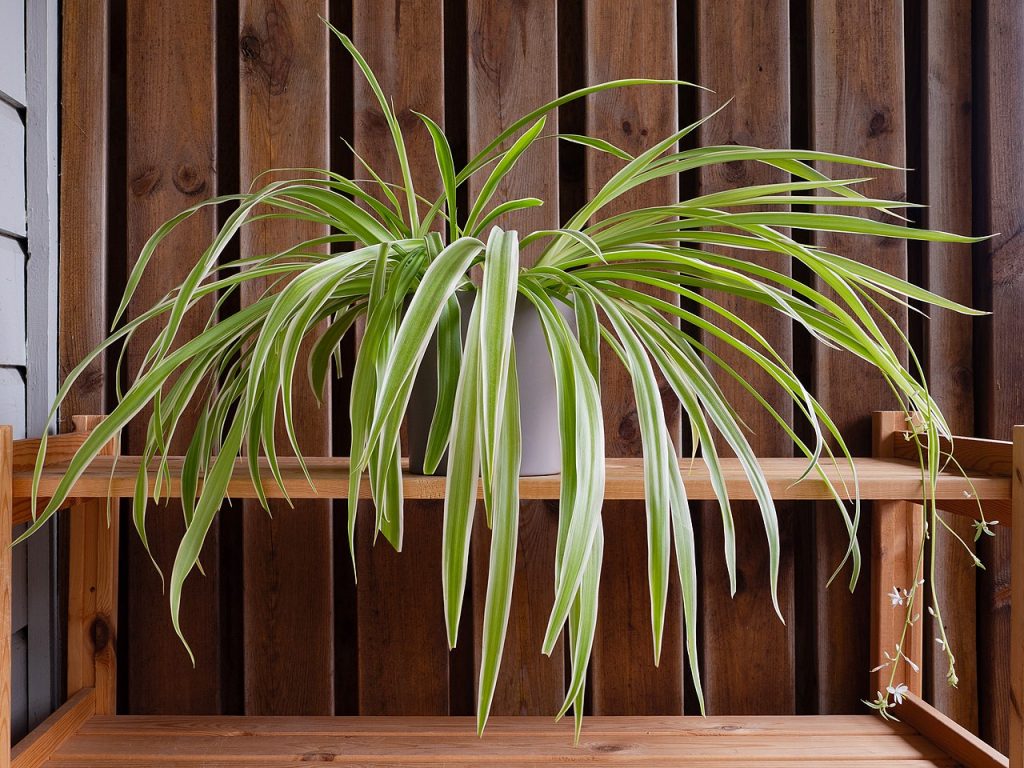
Spider Plant is an evergreen perennial flowering plant native to tropical and southern Africa. The Spider Plant has also become naturalized in several other parts of the world. This popular trailing or hanging houseplant grows about 30–60 cm tall and develops tuberous roots and long, narrow leaves.
Flowers and Plantlets
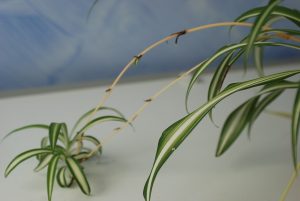
The plant produces a long, branching flower stalk that can reach up to 75 cm (30 in) and eventually bends toward the ground. Greenish-white flowers appear in small clusters along the stalk, each surrounded by a bract. Many of the early flowers wither, leaving the inflorescence relatively sparsely flowered. The branches also produce plantlets at their tips, which droop toward the soil, develop roots, and grow into new plants.
Growing Conditions and Propagation
Spider plants prefer bright, indirect sunlight and evenly moist soil. Repot them about every two years to prevent them from becoming root-bound and to support healthy growth. Propagate spider plants by planting the plantlets directly in potting soil or rooting them in water or a suitable growing medium. Separate rooted plantlets from the parent plant or cut the connecting stems and pot the plantlets separately.
Low Maintenance Outdoor Plants
Spider plants are easy to care for and adapt well to a wide range of indoor and outdoor conditions. They tolerate occasional neglect better than many houseplants and recover quickly with proper watering and light. Their simple care requirements make them an ideal choice for beginners and busy plant owners. In warm climates, they are also popular low maintenance outdoor plants for patios, balconies, and shaded gardens.
Varieties
Spider plants come in several varieties, with variegated forms among the most popular. ‘Vittatum’ has green leaves with a single off-white stripe running down the center of each leaf, while ‘Variegatum’ has off-white stripes along the edges of its green leaves. Solid green varieties are also available.
Common Problems and Pests
Spider plants can develop brown leaf tips because of dry soil, low humidity, or salt and chemical buildup from tap water. Keep the soil slightly moist and use filtered or distilled water when possible. Trim away brown tips to improve the plant’s appearance. Spider plants can also attract pests such as mealybugs and scale insects. Remove visible pests manually and monitor the plant regularly for signs of infestation.
Spider Plant Benefits
Spider plants offer several benefits, making them popular indoor plants. They can help remove certain pollutants from indoor air, while their arching, variegated leaves and cascading growth add beauty to homes and offices. Their adaptability, resilience, and low-maintenance nature also make them an excellent choice for beginner gardeners.