Botanical Features
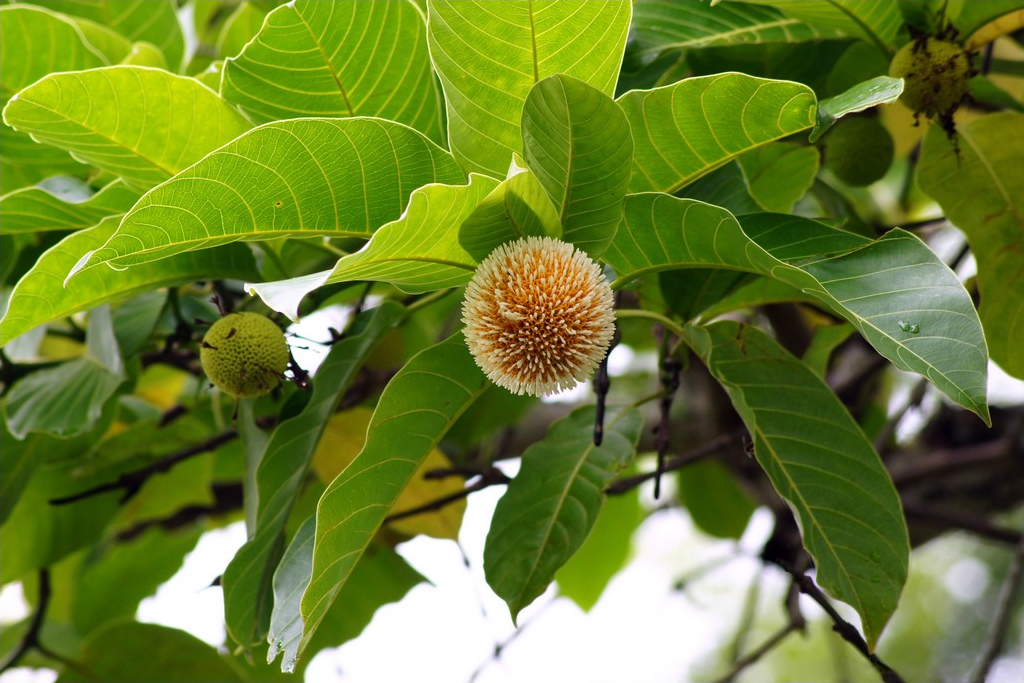
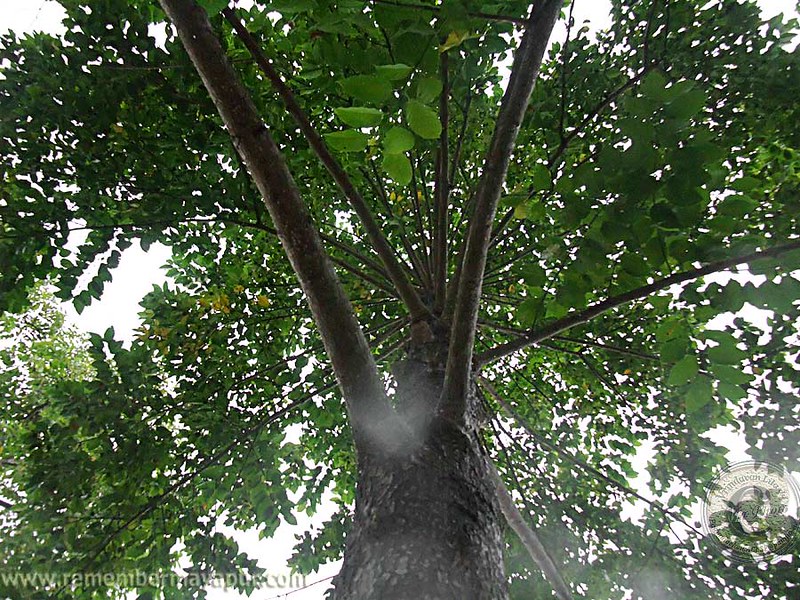
Kadamba is a large tropical tree with a straight trunk, broad crown, and tiered branches. In favorable conditions, it can grow to about 40 meters. Its leaves are opposite, broad, and leathery, usually oval to elliptic with prominent veins and large stipules. The dense foliage forms a broad canopy that shades gardens, roadsides, plantations, and forest margins.
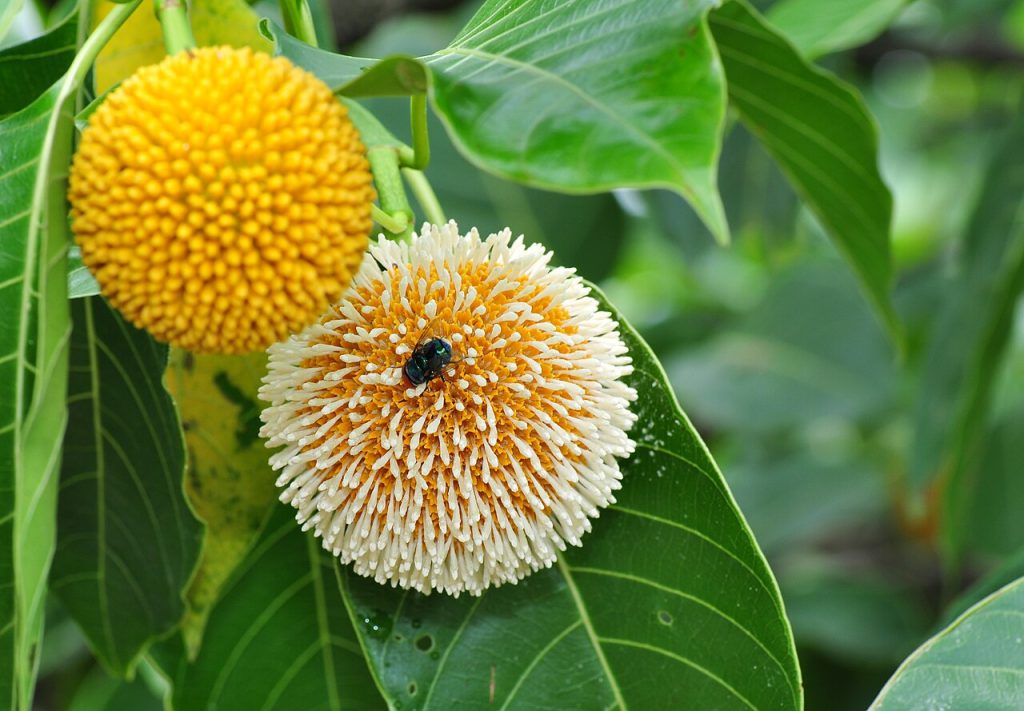
It produces small, yellow, highly scented flowers in conspicuous spherical heads measuring about 4-5 cm across. Each head has many densely packed flowers, which give the inflorescence its characteristic textured appearance. Kadamba produces numerous small capsules that cluster around a fleshy, rounded receptacle. Flower heads are yellow to orange when mature and contain numerous small, angular seeds.
Names and Taxonomy
The tree has several English common names, including Burflower-tree, Laran, and Leichhardt pine (it is not a true Pine, though).
Taxonomists formerly classified Kadamba as Anthocephalus cadamba, which was later found to be incorrect. In 1984, taxonomists established the genus Neolamarckia and transferred the species to it, giving Kadamba its accepted scientific name, Neolamarckia cadamba.
| Country /Region | Name |
|---|---|
| Sanskrit | Kadambah, Dhara Kadamba |
| Hindi (India) | Kadamb |
| Kannada (India) | Kaduavalatige, Kadamba-vriksha |
| Tamil (India) | Vellaikkatampu, Vellai Kadambam |
| Telugu (India) | Rudrakskamba, Kadambamu |
| Malayalam (India) | Attutekku, Kadambari, Katampu |
| China | Tuan hua |
Habitat and Seasonal Growth
Kadamba commonly grows in wet tropical regions, particularly along river banks, streams, floodplains, and damp forests. It is native to southern China, India, and most of tropical Southeast Asia. The species also grows in secondary vegetation and on alluvial or well-drained soils.
Kadamba tolerates intermittent water availability better than many dry-site trees, which helps it thrive in moist habitats. Kadamba is useful for the restoration of productive vegetation on suitable moist sites, as young trees grow fast. Flowering varies geographically, but Indian records show flowering usually from spring to late summer. The tree can start flowering quite early in comparison with its final size.
Ecological Importance
Kadamba has an important ecological role in tropical landscapes. Its dense crown provides shade, organic matter, and structural habitat to planted and natural landscapes. Fragrant flowers provide floral resources for visiting insects, although the composition of the pollinator community varies among regions. Kadamba also serves as a food source for butterfly and moth caterpillars, thus linking the tree to insect life cycles. Birds and other animals use the tree’s canopy for shelter, resting, and movement across vegetated areas. In addition to the resource base directly provided by its flowers, Kadamba thus provides habitat structure.
Reproduction
Seeds are the reproductive method, formed after pollination, and natural regeneration is highly dependent upon suitable moisture and exposed growing sites. Mature fruiting structures release numerous small seeds, which wind and water can disperse. Gardeners can also propagate Kadamba through healthy stem cuttings planted in moist soil, which typically develop roots within 4–8 weeks.
Cultural Significance
Kadamba has deep cultural and religious associations in India. The tree gave its name to the Kadamba dynasty, which ruled parts of present-day Karnataka from the 4th to 6th centuries and regarded the tree as sacred. The Kadamba flower served as the emblem of the former Athmallik princely state. Kadambotsava, a festival held at Banavasi, commemorates the historical Kadamba kingdom.
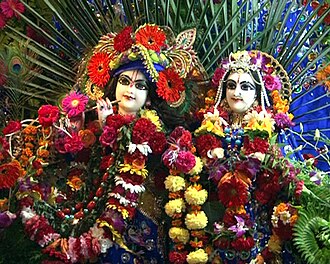
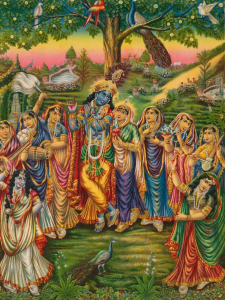
Hindu traditions associate Kadamba with Lord Krishna, particularly in stories of Krishna and Radha beneath its fragrant shade. In southern India, people also associate the tree with Goddess Parvati. Madurai holds a strong connection with Kadamba and recognizes it as the Sthala Vriksha, or sacred tree, of the Meenakshi Amman Temple.
Indian literature and poetry often associate Kadamba’s fragrant flowers with the monsoon, love, and longing. In Theravada Buddhist tradition, Kadamba holds an association with the enlightenment of Sumedha Buddha.
Medicinal Effects
People have traditionally used different parts of the Kadamba tree, including its bark, leaves, roots, and flowers, in Ayurveda and other traditional medicine systems. Practitioners have used preparations made from these parts for wound healing and to relieve pain, inflammation, and certain skin complaints. Studies have also reported antimicrobial, antioxidant, anti-inflammatory, antidiabetic, and antihelminthic activities in Kadamba extracts.
However, many studies rely on laboratory experiments, animal research, or traditional medicine, so researchers need stronger clinical evidence to confirm Kadamba’s effectiveness and safety in humans. Therefore, people should not consider Kadamba a proven treatment for medical conditions.
Conservation
People widely grow the species in tropical regions for timber, pulp, paper, shade, and ornamental planting. Conversion of habitat can reduce local wild populations, especially in areas cleared of wet forest and riverine vegetation. Cultivation and protection of naturally regenerating trees can contribute to conservation of genetic resources and local ecological functions.
Frequently Asked Questions
The accepted scientific name is Neolamarckia cadamba. It was formerly widely known as Anthocephalus cadamba.
The flower heads are generally yellow to orange, particularly as they mature.