Unique Features of Boston Fern
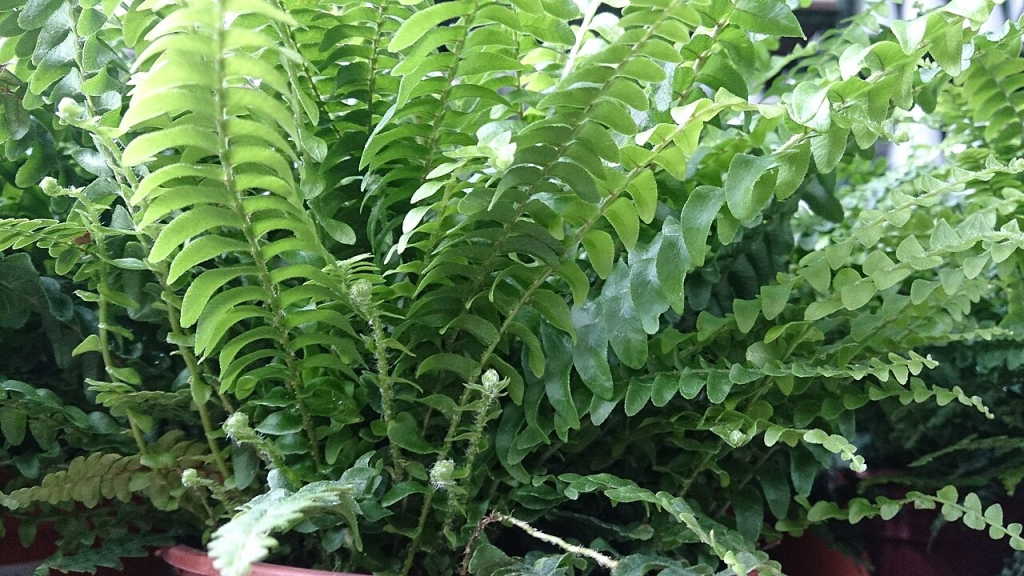
Boston Fern is an elegant evergreen fern with arching fronds, finely divided leaflets, bright green foliage, and a dense, fountain-like growth habit. Under good growing conditions, mature plants can reach 45–90 cm in height and spread just as wide. Long, feathery fronds arise from a compact central crown and slowly arch outward, creating a soft, cascading effect. Its highly divided fronds maximize light capture while allowing air circulation through the foliage. Small insects may also find shelter among the dense fronds.
Habitat
The Boston fern naturally occurs in tropical and subtropical forests, riverbanks, swamps, and humid woodland habitats where filtered sunlight reaches the forest floor. It is a moderate grower that prefers consistently moist, organically rich soils, high humidity, and indirect light. In warm climates, it remains evergreen and produces fresh fronds throughout much of the year.
How Boston Fern Reproduces Without Flowers
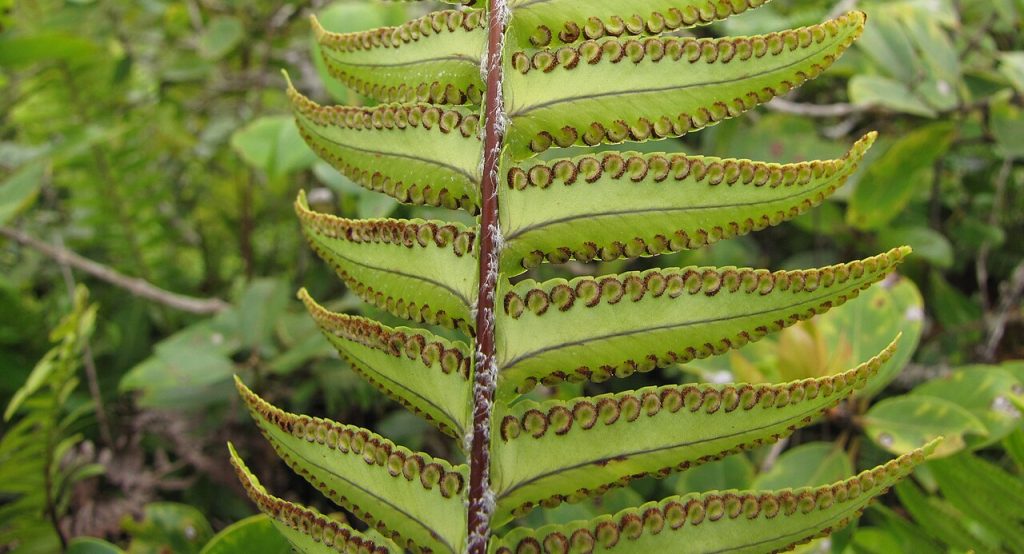
A fascinating feature of the Boston fern is that it reproduces without flowers or seeds. Instead, it produces tiny spores in clusters called sori on the undersides of mature fronds. These spores germinate and develop into new plants. Boston Fern can also spread vegetatively through slender runners produced by underground rhizomes, which establish additional plants nearby. Mature plants are commonly propagated by dividing the clumps, encouraging lush foliage and vigorous growth.
Growth & Ecological Importance
Steady expansion and the development of new plantlets are encouraged by underground rhizomes and runners. Boston Fern contributes to the ecological value of its habitat by helping stabilize soil, maintaining humidity within forest understories, and providing shelter for small invertebrates. Its dense foliage creates cool microhabitats that support beneficial insects and enhance local biodiversity. Fungi and microorganisms around the root system also contribute to nutrient cycling.
Caring for Boston Ferns – a Low Maintenance Outdoor Plant
Boston ferns are relatively low maintenance plants that thrive both indoors and outdoors. Water them when the top inch of soil feels slightly dry, and place them in bright, indirect light. Use rich, well-draining soil that retains moisture while preventing waterlogging and root rot. Regularly prune dry, damaged, or yellowing fronds to maintain a dense appearance and encourage healthy new growth. With consistent moisture, adequate humidity, indirect light, and occasional pruning, Boston Ferns can remain lush and attractive.
Threats and Conservation Efforts
The Boston fern is vulnerable to prolonged drought, dry indoor air, root rot from waterlogged soil, and infestations of scale insects or spider mites. Conservation concerns are relatively minor because the plant is widely cultivated as an ornamental species. However, protecting humid forests, wetlands, riverbanks, and other natural habitats remains important for maintaining wild populations and the ecosystems they support.
The Boston fern is one of the world’s most popular ornamental foliage plants for its graceful appearance, adaptability, and environmental value. The lush fronds, the ancient reproductive strategies, and the provision of shaded ecosystems are all evidence of the incredible diversity of non-flowering plants that have thrived on Earth for hundreds of millions of years.