Overview
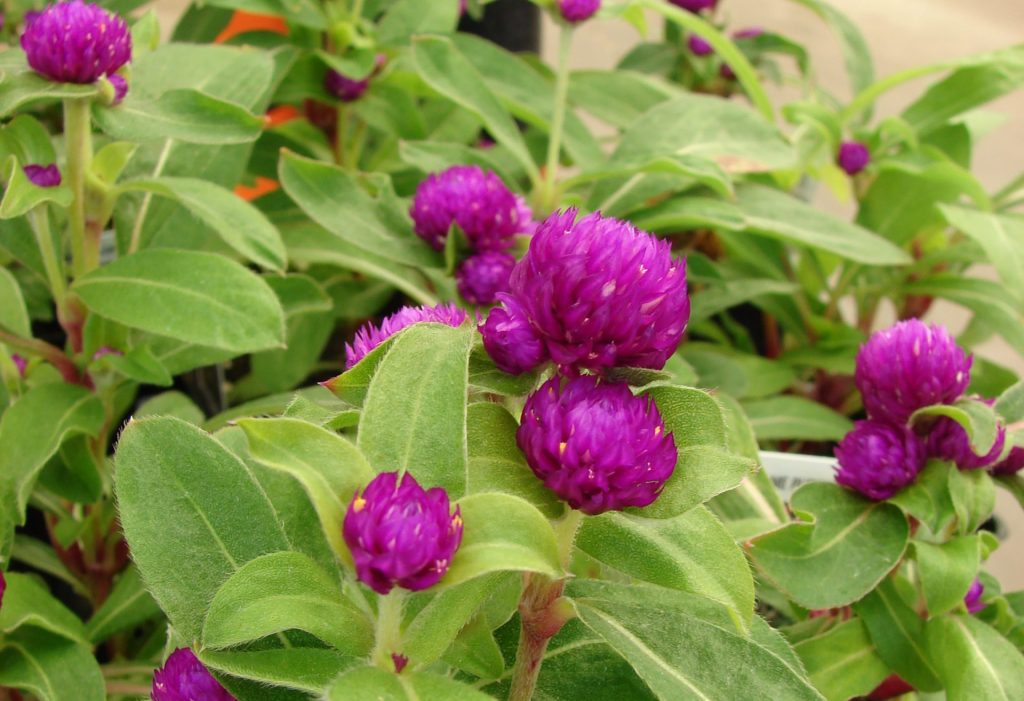
Globe Amaranth is a vibrant, long-blooming ornamental plant known for its rounded flower heads and wide range of colors. This Globe Amaranth plant grows natively in Central America, including Guatemala, Panama, and parts of Brazil.
Description
Globe Amaranth primarily grows as an annual, although it can behave as a short-lived perennial in warmer climates. It typically grows 30–90 cm tall, with a bushy, upright growth habit, and can spread about 15–60 cm depending on the variety. The leaves are oblong or lance-shaped, medium green, and arranged opposite one another along the stem. The stems may have a reddish coloration.
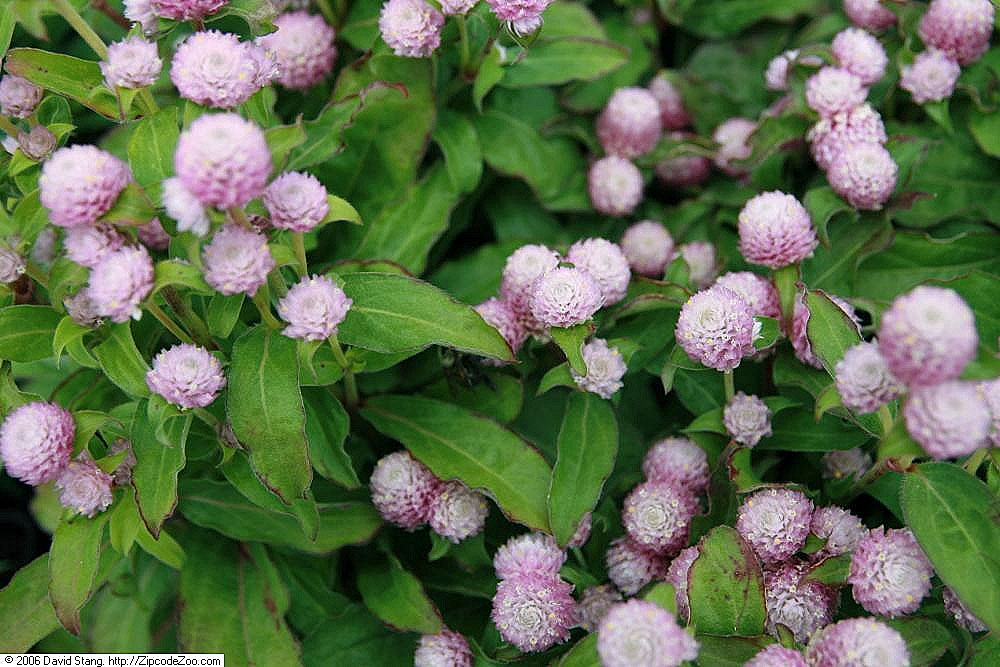
The most distinctive feature of Globe Amaranth is its globe-shaped flower heads. Each flower head consists of papery bracts surrounding tiny, inconspicuous flowers, creating the appearance of a single rounded bloom. The bracts can be magenta, pink, purple, red, orange, white, or lilac. The plant can bloom from early summer until the first frost, providing long-lasting color in gardens.
Cultivars and Varieties
Globe Amaranth cultivars offer gardeners a choice of flower colors, plant heights, and growth habits. ‘Audray White’ produces crisp white blooms on medium-height plants, while ‘Fireworks’ is a taller variety with bright pink bracts and yellow flowers. ‘Gnome’ is a compact mix with pink, purple, and white blooms, making it suitable for smaller spaces and containers.
Care and Cultivation
Globe Amaranth thrives in full sun and well-drained soil. It tolerates heat, humidity, and drought once established. Regular watering during the growing season supports healthy growth, while gardeners generally propagate the plant through seeds.
Propagation and Pinching
Gardeners usually propagate Globe Amaranth from seeds. Germination can be slow and may take around two to four weeks, so starting with several seeds can improve the chances of getting healthy seedlings. Because the plant develops a long taproot, gardeners should disturb the roots as little as possible when transplanting.
When the first flower buds begin to appear, gardeners can pinch them off to encourage bushier growth and more branches. Cutting or deadheading flowers during the growing season can also help maintain a compact shape and encourage additional blooms.
Harvesting and Preserving
Gardeners can harvest Globe Amaranth flowers when they fully open and still hold their strongest color. For dried arrangements, cut the flowering stems when the blooms look their best, gather them into small bunches, and hang them upside down in a dry place. The flowers can retain much of their vivid color after drying, making them useful for wreaths, arrangements, and other crafts.
Uses and Benefits
Gardeners widely grow Globe Amaranth for its colorful flowers, which suit gardens, borders, and containers as ornamental displays. The flowers retain much of their color and shape when dried, making them useful for crafts and everlasting bouquets. People have also used the flowers and leaves in teas and traditional medicine.
Ornamental Uses
Globe Amaranth works well in flower beds, borders, rock gardens, containers, and other sunny spaces. Its compact growth and long flowering period make it useful for adding steady color throughout the warmer months. Taller varieties can also provide attractive cut flowers, while dried blooms work well in long-lasting floral arrangements.
Medicinal Value
Globe Amaranth has a history of traditional herbal use, with its flowers, leaves, roots, and seeds containing various phytochemicals and antioxidant compounds. People have traditionally used the plant in herbal preparations for a range of respiratory and digestive complaints. They have also used its flowers to prepare tea. These traditional uses should not be considered proven medical treatments, and appropriate professional advice is recommended before using the plant medicinally.
Other Names and Cultural Significance
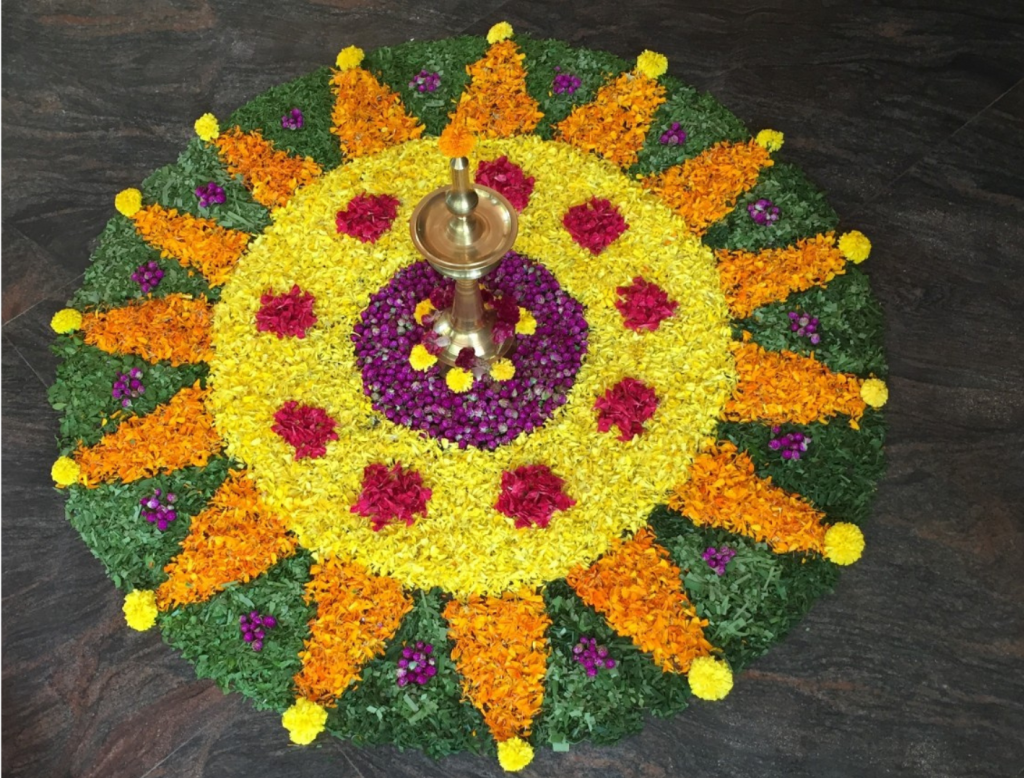
Globe Amaranth has a place in traditional floral customs in several regions. In Nepal, people use its long-lasting flowers in Bhai Tika garlands and know them as makhamali ful. In Hawaii, people use the flowers in ‘leis’ (ceremonial garlands), where they call the plant “bozu.” People also use the flowers in Onam pookalams in India, adding bright and long-lasting color to the festive floral designs. It is known as Vadamalli in Kerala.
Frequently Asked Questions
Their papery bracts hold their color and shape well, allowing the blooms to remain attractive long after they are picked.
Its bright, long-lasting flowers add cheerful color to traditional Onam floral designs and remain attractive for longer.