Overview
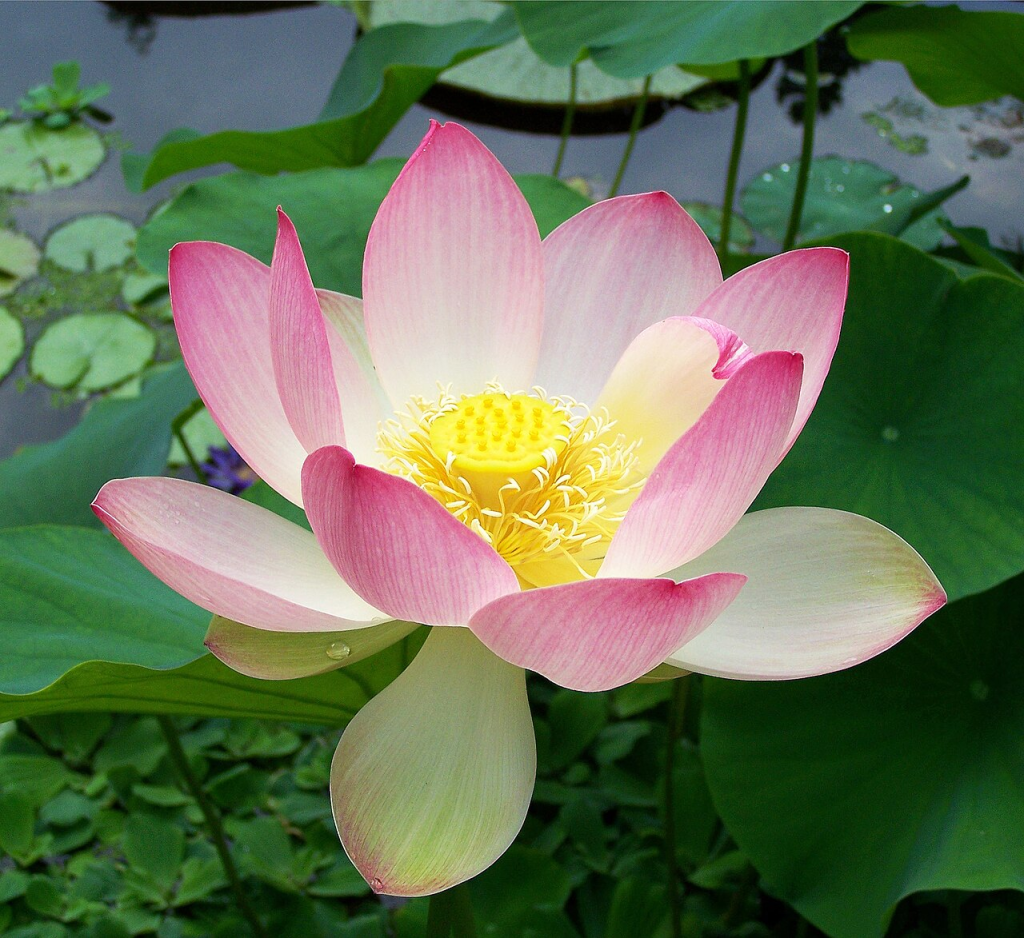
Sacred Lotus (Nelumbo nucifera), also called the Indian Lotus, is a perennial aquatic plant with thick underground rhizomes. Its long leaf stalks rise from muddy substrates and bear large, round leaves above or on the water surface. Waxy structures often fill the papillae on mature leaves and decrease wetting, making these leaves highly water-repellent. The flowers, usually white to pink, rise on strong stalks above the water. The flowers have many petals and many stamens, and a characteristic flat-topped central receptacle. After flowering, the receptacle swells up into the familiar seed head with individual seed-bearing cavities.
Sacred Lotus Across Different Regions
Sacred Lotus has many names across Asia. In English, people commonly call it Sacred lotus, Indian lotus, pink lotus, oriental lotus, or Bean of India.
| Country /Region | Name |
|---|---|
| Sanskrit | Kamala |
| Hindi (India) | Kamal, Kanwal |
| Kannada (India) | Kamala, Thavare |
| Tamil (India) | Chenthamarai |
| Telugu (India) | Kaluva, Tamara |
| Odia (India) | Padma |
| Marathi (India) | Kamal, Kankadi |
| Malayalam (India) | Thamara, Chenthamara, Aravindam |
| Urdu/Arabic | Nilufer |
| French | Le lotus sacré, fève d’Égypte (Egyptian Bean) |
| Spanish | El loto |
| Japan | Hasu |
| Vietnam | Hoa sen |
Botanical Features and Adaptations
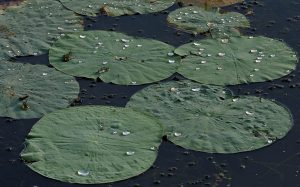
Sacred Lotus produces large, smooth rhizomes that run through the submerged mud and give rise to new shoots. Its rhizomes contain internal air spaces that help support life in waterlogged sediments and allow the plant to spread through suitable wetland habitats. The leaves also show strong adaptations to life around water. Their water-repellent surfaces allow droplets to roll away easily, helping keep the leaf surface relatively dry.
Aquatic Habitat and Growth
Sacred Lotus grows mainly in shallow freshwater ponds, lakes, marshes, slow streams, reservoirs, and wetland margins. It has an indigenous distribution across Asia and into parts of eastern Australia. It prefers warm conditions, full sun, nutrient-rich sediments, and relatively shallow water. Growth above water is rapid in warm months, and above-water foliage can decrease in cooler climates. Rhizomes help the plant survive the unfavorable time and grow back when temperatures and water availability improve.
Lotus can spread aggressively by rhizome growth and can sometimes form large stands covering large areas of suitable wetlands. Because of this vigorous growth, lotus may need management where dense stands begin to dominate shallow water habitats or interfere with water movement and other vegetation.
Pollination and Reproduction
Its flowers provide pollen for bees, flies, and beetles, but the importance of the visitors differs between populations. Lotus flowers are protogynous, meaning the female reproductive parts mature before the pollen emerges from the same flower. They are also thermogenic, producing heat during anthesis and sometimes maintaining temperatures higher than the surrounding air. This warmth can help attract or retain insects during the cooler times when flowers are open. Each flower can produce about one million pollen grains, indicating its high reproductive investment.
Pollination produces seeds in the swollen receptacle. Water, animals, and human activity help disperse the seeds. Lotus seeds have unusually hard seed coats that may delay germination until conditions scarify or weaken them. The combination of long-lived seeds and spreading rhizomes gives Sacred Lotus two effective ways to persist and establish new growth.

Ecological Importance
The species adds to wetland biodiversity through cover, surfaces, and structural complexity for aquatic organisms. Lotus stands provide shelter, food, and nesting sites for fish, aquatic invertebrates, amphibians, and wetland birds. Dense growth may also affect light penetration, water movement, and sediment conditions in shallow wetlands.
Habitat alteration, wetland drainage, pollution, and uncontrolled spread can affect lotus populations and the adjoining aquatic ecosystems. Conservation efforts should focus on protecting healthy wetlands, maintaining water quality, and managing cultivated or introduced populations.
Cultural Significance in Asia
The lotus is also the national flower of Vietnam. In Macau, the lotus is the official floral emblem and appears prominently on the regional flag. Its cultural importance therefore extends beyond its beauty, connecting the plant with national identity, religion, art, and traditional celebrations across Asia.
India
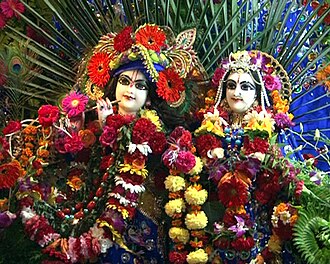
The sacred lotus has deep cultural and religious importance across Asia. In India, the lotus is the national flower and has strong associations with Hindu traditions, where it represents purity, beauty, divinity, fertility, and several deities. Lord Brahma is depicted as sitting in a Lotus flower blooming out of the navel of Lord Vishnu. Lord Vishnu’s wife, Goddess Lakshmi, herself is depicted as sitting atop a lotus. The Lord (Vishnu) himself holds a Lotus flower in his right hand. The lotus is also known to be one of Lord Krishna’s favorite flowers. In India, this flower is used to decorate the God and Goddesses’ idols and is also offered to them in prayer.

In Buddhism, the flower is an important symbol of purity and spiritual awakening. Bodhisattvas are often depicted as sitting on a lotus flower. The act of offering a lotus is considered an offering of peace and compassion.
Edible Parts of Sacred Lotus
The sacred lotus is an important food plant in many Asian cuisines, and people can eat several parts. People commonly cook the rhizomes as a vegetable, while they can eat the seeds fresh or dried and also use them in desserts and pastries. People also consume young leaves, leaf stalks, flowers, and stems in some regions. Lotus leaves sometimes serve as natural wrappers for cooking and serving food, while people can dry the stamens to prepare herbal tea.
Medicinal Effects
Sacred Lotus has a long history of use in traditional Asian medicine. People have traditionally used different parts, including the rhizomes, leaves, flowers, and seeds, in preparations associated with fever, digestive complaints, inflammation, bleeding disorders, and other conditions. Modern research has also investigated compounds found in lotus for antioxidant, anti-inflammatory, antimicrobial, and other biological activities. However, research findings do not mean that lotus preparations are proven treatments, so medicinal use should be approached with appropriate professional guidance.
Sacred Lotus also has great horticultural importance and grows widely in ornamental ponds, botanical gardens, and managed wetlands. It is scientifically remarkable for its unusual combination of rhizomatous growth, hydrophobic leaves, thermogenic flowers, and long-lived seeds. These characteristics demonstrate the ability of aquatic plants to combine structural adaptations with specialized reproductive strategies in difficult wetland environments.
Frequently Asked Questions
Their highly water-repellent surface causes water droplets to bead up and roll away instead of soaking into the leaf.
The flowers are edible in some traditional cuisines, while the rhizomes and seeds are more commonly used as food.