A Shrub of Lasting Beauty
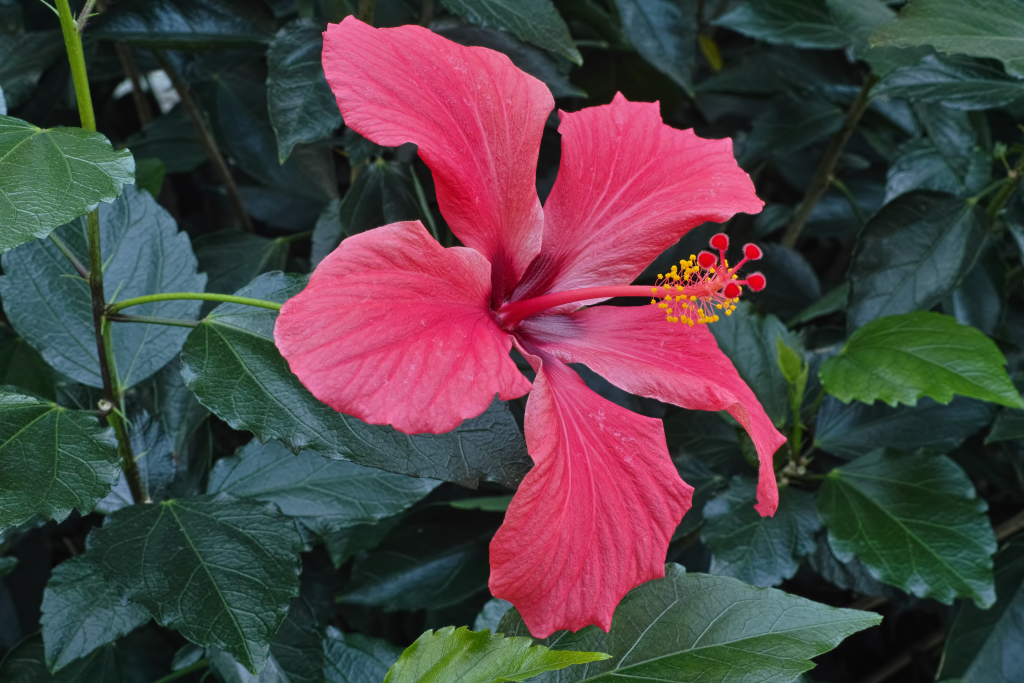
Common Hibiscus is a flowering shrub with glossy green leaves, woody stems, and large trumpet-shaped flowers. Mature plants have an upright branching habit and often reach great heights in suitable climates. Additionally, flowers range in color from red, pink, yellow, orange, white, or purple, depending on the cultivar. The flowers each have a large central column of stamens that is distinctive to the species and distinguishes it from many ornamentals. Moreover, strong root systems give the plant the ability to grow vigorously and adapt to seasonal environmental variation.
Blooms That Sustain Nature
The common hibiscus is a fairly fast grower and may bloom continuously in warm areas. Where frost is absent, blooming often extends over a large portion of the year. The species has good heat tolerance and is responsive to regular moisture and sun. Big flowers make lots of nectar and attract many pollinators. Shrubs in bloom attract butterflies, bees, and nectar-feeding birds. As a result, these interactions contribute to biodiversity and may help support local populations of pollinators.
A Haven for Wildlife
Common Hibiscus is native to tropical and subtropical regions, and people widely cultivate it in gardens, parks, and urban landscapes. Its dense foliage offers refuge for insects and small wildlife. One fascinating scientific fact is that most individual flowers stay open for a short time, and then are replaced with new ones. A second distinctive feature is the conspicuous staminal column of fused reproductive structures. Many insects visit the flowers to collect pollen. In addition, nectar-feeding birds also utilize these nectar sources.
Thriving Through Nature
Reproduction takes place through flowering, pollination, seed production, and vegetative propagation. In fact, gardeners often propagate stem cuttings to preserve desirable ornamental characteristics. Following pollination, the flowers develop seed capsules containing many seeds that can germinate when conditions are right. Possible problems include aphids, whiteflies, fungal diseases, and environmental stress caused by poor growing conditions. However, responsible cultivation and proper plant care support healthy populations.
Beauty with Ecological Value
The greatest conservation value is in wild relatives in native ecosystems. The common hibiscus remains one of the world’s most popular ornamental shrubs, owing to its showy flowers and long blooming season. It remains a popular plant in tropical and subtropical horticulture, combining beauty, ecological value, and adaptability. Furthermore, this plant is an excellent example of how ornamental species can support pollinators and increase landscape diversity and visual interest.