Gardening
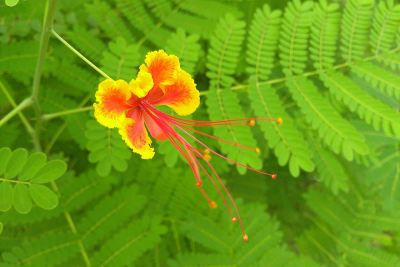
Peacock Flower | Changing Botanical Identity
Peacock Flower's colorful blooms and adaptability reflect the influence of seasonal climates, cultivation, and evolving botanical knowledge.
0 sightings

Walk coastal dunes and shores for seabirds, salt-tolerant plants, wildflowers, and spray-zone flora shaped by wind, shifting sands, ocean spray, and tides.
Peacock Flower's colorful blooms and adaptability reflect the influence of seasonal climates, cultivation, and evolving botanical knowledge.
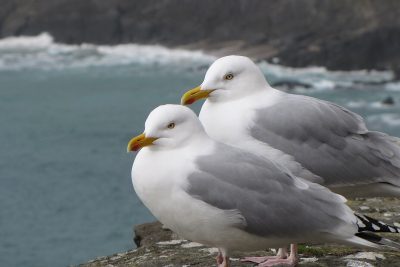
Herring Gull can help scientists study intelligence, adaptation, & behavior, revealing how wildlife responds to changing environments & human activity.
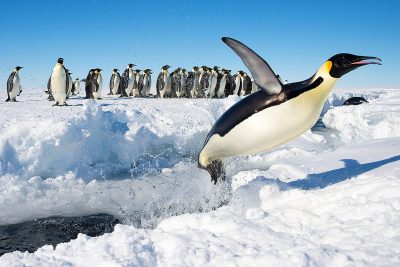
The Emperor Penguin, the world's largest penguin, uniquely adapted to Antarctica, with remarkable diving abilities, winter breeding, and resilience.
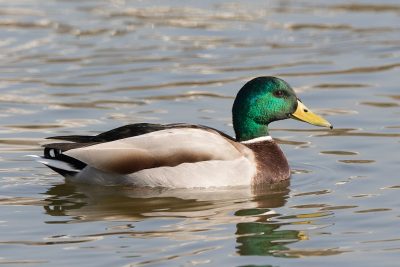
The Mallard is a widespread duck recognized by its blue wing patch. It feeds on plants and small animals and is the…
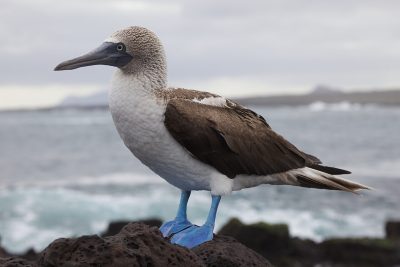
The Blue-footed Booby is a Pacific seabird with bright blue feet, striking courtship displays, and expert diving skills, but faces habitat threats.
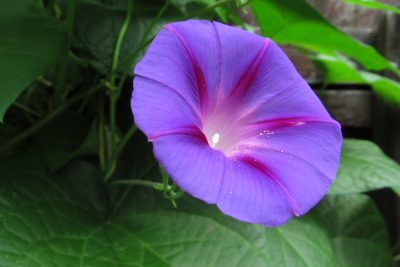
Common Morning Glory is a fast-growing vine with trumpet-shaped flowers that open each morning, making it ideal for trellises, fences, and gardens.
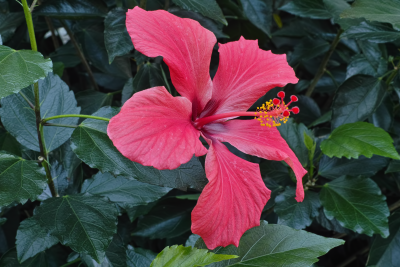
Common Hibiscus is an ornamental shrub with large, vibrant flowers. Its nectar attracts butterflies, bees, and birds, supporting pollinators.
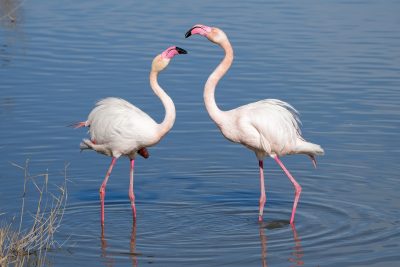
Greater Flamingo, the largest flamingo species, lives in saline wetlands across Africa, Asia, & Europe. It feeds by filtering algae & tiny…
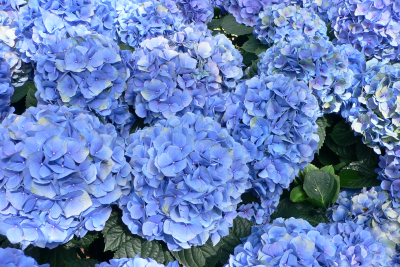
Bigleaf hydrangea is a flowering shrub with large blooms, lush foliage, and flowers that change color based on soil conditions.
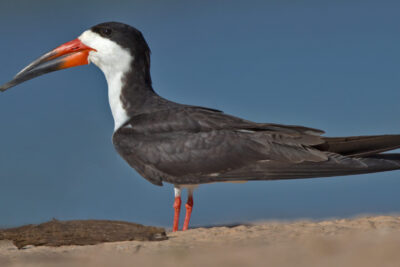
The Black Skimmer is a distinctive seabird known for its black-and-white plumage and unique feeding technique. Flying low over the water with…