- Scientific Name
- Crocus sativus
- Location
- Southwest Asia
- Habitat
- Borders, Garden, Rock Garden, Wetland, Woodland
- Season
- Autumn
Overview
The saffron crocus is a fall-blooming plant that produces saffron, a highly prized spice from its red stigmas. It likely originated in the eastern Mediterranean and Southwest Asia, and growers now cultivate it extensively in Iran, Spain, India (particularly Kashmir), and other suitable regions. The plant thrives in sunny locations with dry summers and well-drained soils. People have treasured saffron across cultures for centuries because of its rich color, unique flavor, and traditional medicinal uses.
Nature’s Red Gold
People often call saffron “red gold” because of its rarity, labor-intensive harvest, and exceptional culinary qualities. Growers obtain saffron from the dried crimson stigmas of the saffron crocus (Crocus sativus). Each flower produces only three delicate stigmas, and approximately 150–170 blossoms yield just one gram of saffron. This exceptionally low yield, combined with careful hand harvesting, makes saffron the most expensive spice in the world by weight.
Beauty Beneath the Soil
The saffron crocus is a small perennial plant that grows from an underground corm. In autumn, it produces slender green leaves and elegant purple flowers. Saffron crocus typically grows 10–30 cm (4–12 inches) in height and spread. Individual corms remain productive for approximately 3–5 years. Over time, they multiply beneath the soil, forming clusters that bloom each autumn under suitable growing conditions.
Built for Every Season
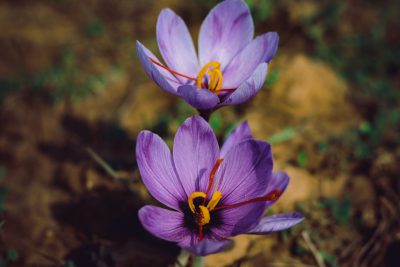
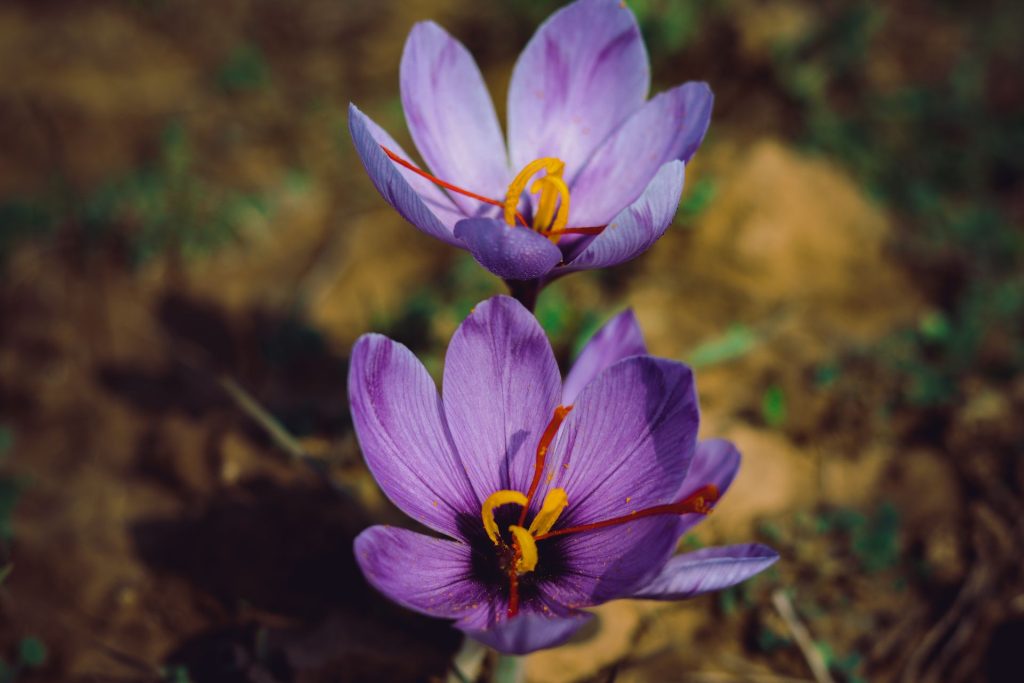
The flowers have soft lavender-purple petals and three striking crimson-red stigmas. Narrow, grass-like leaves emerge alongside the flowers and continue growing throughout the cooler months. They help store nutrients in the corm before the plant enters a dormant phase during late spring and summer.
Growing with Care
Saffron crocus thrives in full sun and requires at least 6–8 hours of direct sunlight daily for healthy growth and abundant flowering. The plant performs best in fertile, well-drained sandy or loamy soil with a neutral pH of around 7. Adding organic matter can further improve soil structure and fertility. After planting, water the corms lightly to encourage root development. During the active growing season, keep the soil slightly moist by watering when the upper layer becomes dry. Once the foliage begins to yellow in late spring, reduce watering and eventually stop as the plant enters dormancy. The plant generally does not require irrigation during the summer dormant period.
Multiplying for the Future
Although corms contain enough stored nutrients to support flowering, annual feeding can encourage healthy growth. Applying compost or a phosphorus-rich fertilizer once a year, preferably in early autumn, helps promote flowering. Growers propagate saffron crocus through corm division. Every few years, usually after four to five growing seasons, the corms multiply underground. Growers can lift, separate, and replant them during the summer dormant period to establish new plants.
The Precious Harvest
Growers harvest saffron during the short autumn flowering season, which generally lasts about two weeks. Collect the flowers on dry, sunny mornings when they are partially open. Carefully remove the three bright red stigmas by hand from each flower and dry them for storage. Because each blossom produces only three saffron threads, harvesting is a delicate and time-consuming process that contributes to saffron’s exceptional value.
Preserving Every Thread
After harvest, spread the stigmas in a single layer on paper, parchment, or a mesh screen in a cool, dry location to dry them. You can also use a dehydrator on low heat. Once completely dry, store the saffron threads in an airtight glass container away from light, heat, and moisture. Letting the saffron rest for one to two weeks after drying helps develop its characteristic aroma and flavor. Properly stored saffron can retain its quality for up to two to three years, although its flavor and aroma are best within the first year.
Common Pests
Common pests include aphids, mealybugs, scale insects, spider mites, whiteflies, and root-knot nematodes, all of which feed on plant tissues and weaken the plant. Borers may sometimes damage underground corms, while ants can encourage infestations by protecting honeydew-producing pests such as aphids.
Diseases to Watch For
Root rot and corm rot are the most serious diseases and usually result from excessive moisture or poorly drained soil. Other fungal diseases include leaf spot, powdery mildew, and rust, which can damage foliage and reduce plant vigor. Aphids often transmit viral infections that may cause mottled, streaked, or distorted leaves. Maintaining good drainage, proper air circulation, and regular pest monitoring can help keep saffron plants healthy and productive.
A Spice Beyond the Kitchen
Saffron is a highly valued spice that adds color, aroma, and flavor to a wide variety of dishes, including rice preparations, desserts, pastries, and beverages. Manufacturers also incorporate it into premium spice blends and traditional sweets. Beyond culinary applications, people use saffron in traditional remedies, perfumes, skincare products, and natural dyes because of its antioxidant compounds and vibrant golden pigment. Additionally, gardeners value the saffron crocus as an ornamental plant for its attractive autumn blooms.