Gardening
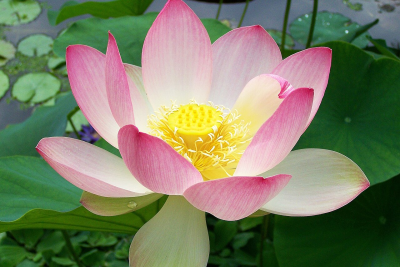
Sacred Lotus | The Science Behind the Lotus Seed Head
Sacred Lotus has amazing adaptations. From water-repellent leaves to heat-producing flowers, it shows how plants turn wetland challenges into advantages.
0 sightings

Follow wetland edges for waterbirds, marsh plants, and riparian thickets that thrive in shallow water, muddy shores, and dense shoreline cover.
Sacred Lotus has amazing adaptations. From water-repellent leaves to heat-producing flowers, it shows how plants turn wetland challenges into advantages.
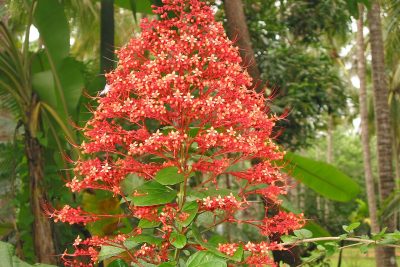
Pagoda Flower is a fast-growing tropical shrub with pyramid-shaped flower clusters. It thrives in warm, moist conditions and attracts butterflies.

Herring Gull can help scientists study intelligence, adaptation, & behavior, revealing how wildlife responds to changing environments & human activity.
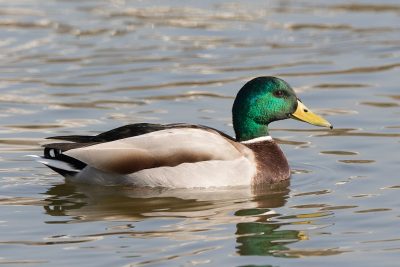
The Mallard is a widespread duck recognized by its blue wing patch. It feeds on plants and small animals and is the…
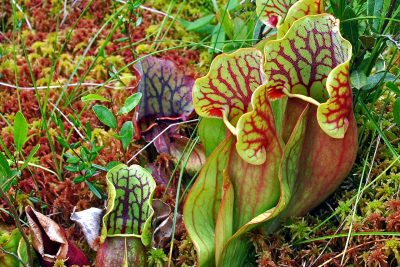
The Purple Pitcher Plant is a carnivorous wetland plant that traps and digests insects for nutrients and is known for its pitcher-shaped…
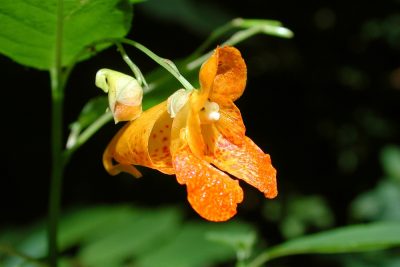
Spotted Jewelweed is a native wildflower with spotted flowers, jewel-like leaves, & explosive seed pods that support pollinators in shady gardens.
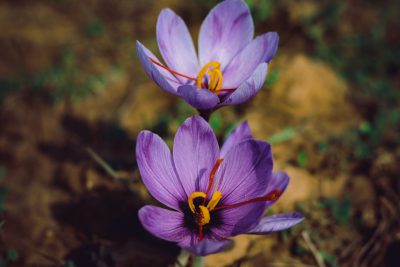
The Saffron Crocus blooms in autumn. its vivid red stigma produces saffron, the world's most valuable spice, prized for its rich color,…
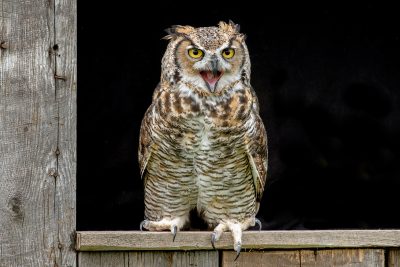
The Big Horned Owl or Great Horned Owl is a powerful nocturnal predator with silent flight and keen hearing, detecting prey hidden…
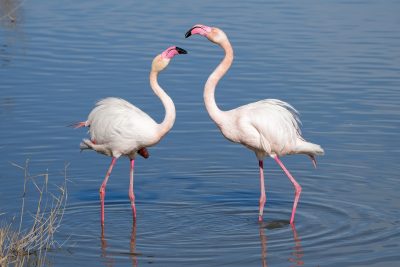
Greater Flamingo, the largest flamingo species, lives in saline wetlands across Africa, Asia, & Europe. It feeds by filtering algae & tiny…
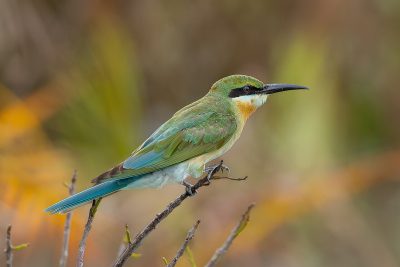
A beautiful green aerial hunter with a blue tail, the Blue-tailed Bee-eater catches insects in flight and removes stingers before eating bees.