- Scientific Name
- Lathyrus odoratus
- Location
- Europe, Mediterranean
- Habitat
- Borders, Garden, Trellises / Fences
- Season
- Fall, Summer
Overview
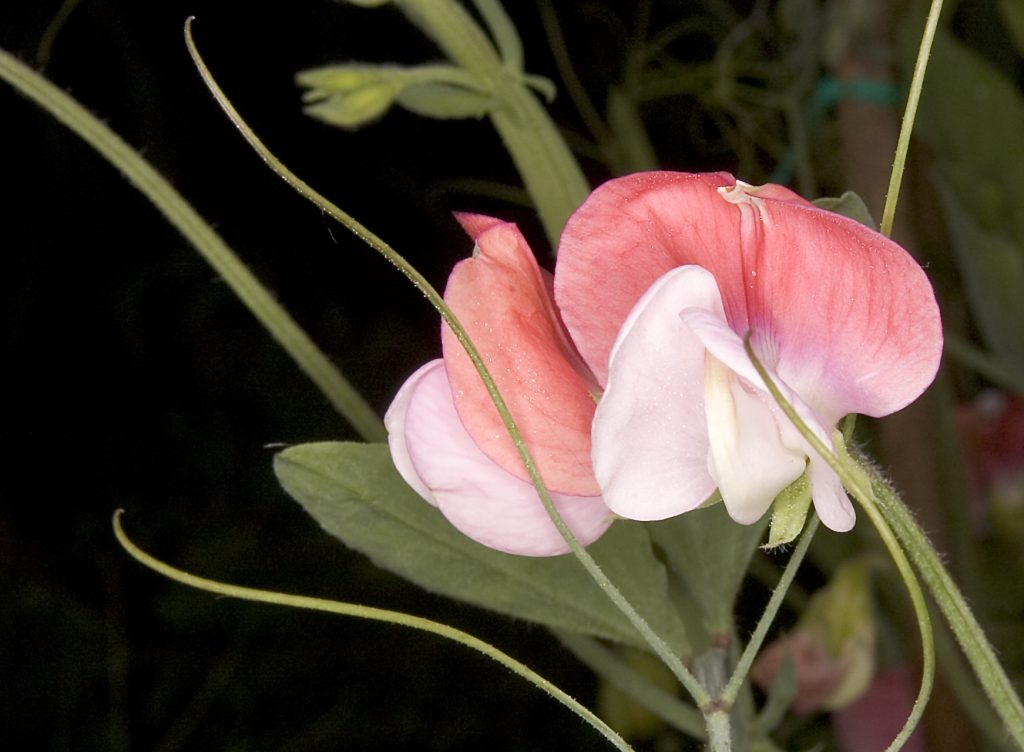
Sweet Pea is a fragrant annual climbing plant admired for its colorful, ruffled flowers, delicate tendrils, and sweet honey-like scent. Overall, its elegant blooms and vigorous climbing habit make it a favorite for gardens, trellises, and floral arrangements.
Description
Sweet Pea grows 3–7 feet (1–2 m) tall with support from trellises or other structures. Meanwhile, its slender, winged stems bear pinnate leaves with two leaflets and curling tendrils that help the plant climb. The plant produces clusters of fragrant, pea-shaped flowers in shades of white, pink, coral, red, purple, violet, and blue. Additionally, many cultivated varieties also feature attractive bicolored or picotee blooms with gently ruffled petals.
Habitat and Season
Native to the Mediterranean region, Sweet Pea thrives in cool, sunny conditions and gardeners commonly grow it in gardens, borders, and containers. Then, flowering begins in spring and continues into early summer. Furthermore, regularly removing spent flowers encourages the plant to produce more blooms and prolongs the flowering season.
Life Cycle
Sweet Pea completes its entire life cycle within a single growing season. Seeds germinate in late winter or early spring, followed by rapid climbing growth and flowering. Afterward, seed pods develop and mature by late summer before the plant naturally dies back.
Cultivation
Sweet Pea grows best in full sun and fertile, well-drained, evenly moist soil enriched with compost. Additionally, applying a fertilizer high in phosphorus or potassium during the growing season encourages abundant flowering. Moreover, pinching young shoots and removing faded flowers promote bushier growth and continuous blooming. Gardeners most commonly propagate the plant from seeds, which germinate readily under cool, moist conditions.
Uses
Gardeners widely grow Sweet Pea as an ornamental plant for its vibrant flowers and delightful fragrance. Moreover, it is a popular choice for cottage gardens, trellises, pergolas, and floral arrangements, with its long stems making excellent cut flowers. However, the seeds and pods are toxic if ingested and should be kept away from children and pets.
Pests and Problems
Sweet Pea is generally easy to grow but may experience bud drop during periods of excessive heat or irregular watering. In addition, overwatering and excessive fertilization can cause yellowing leaves, while poor air circulation may encourage fungal diseases. Therefore, proper watering, good drainage, and regular maintenance help keep the plants healthy.