The First Impression
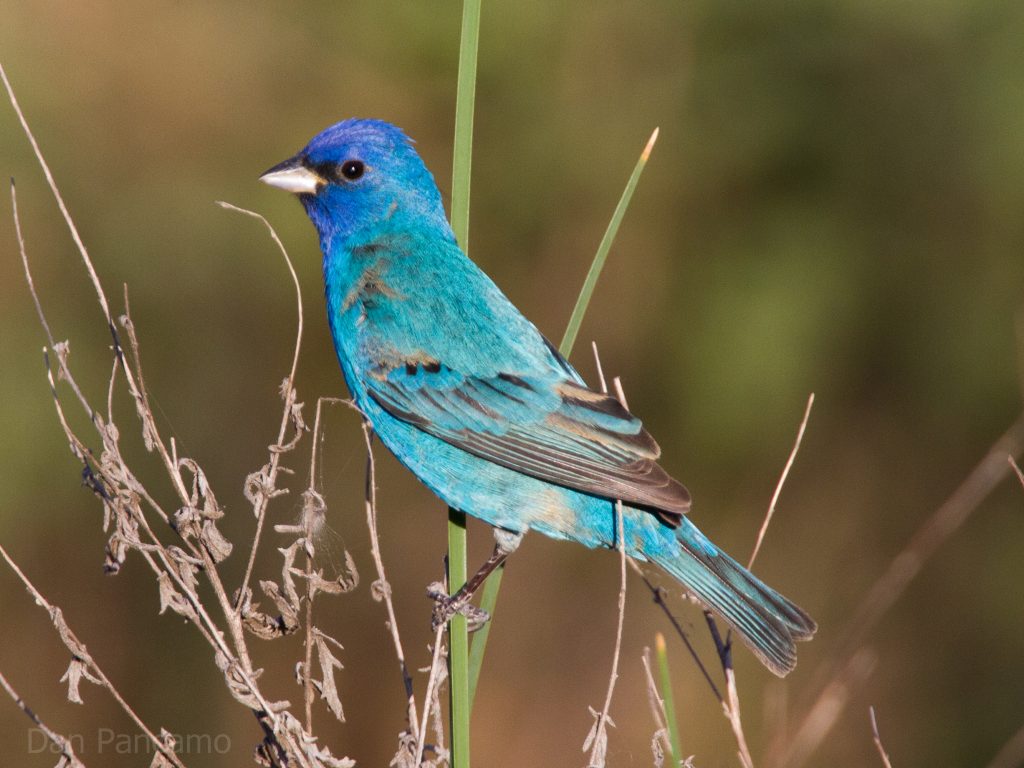
The Indigo Bunting is a small migratory songbird native to North America, widely admired for its vivid blue breeding plumage and lively, musical song. It is a familiar presence across eastern North America during late spring and summer. It is often seen in shrubby fields, woodland edges, and rural roadsides where males sing from high perches like treetops and telephone wires.
Shades of the Seasons
This species is small and lightweight, measuring about 12–14 cm in length with a wingspan of 19–22 cm and weighing only 12–18 grams. Adult males are strikingly bright blue during the breeding season, a coloration that fades to brown in winter. Females and non-breeding males are mostly brown with faint streaking. However, they often retain a bluish tinge on the wings, tail, or rump. Young males show a mix of brown and blue feathers before developing full adult coloration.
A Journey Across Continents
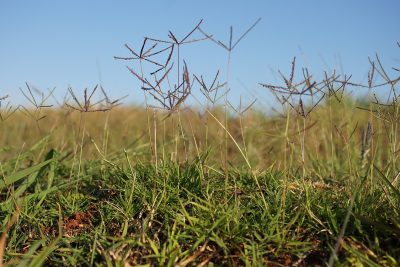
Indigo Buntings are long-distance migrants, traveling at night between their North American breeding grounds and wintering areas in Central and South America. During migration, they often form loose flocks and feed in open fields, grasslands, and agricultural areas. Their preferred habitats include shrubby countryside, forest edges, and weedy fields. There, they can forage easily among grasses and low vegetation. They generally avoid dense urban environments and heavily cultivated farmland. Over time, however, their range has expanded slightly into new regions, especially in parts of the southwest.
From Insects to Seeds
The diet of Indigo Buntings changes with the seasons. During the breeding period, they feed mainly on insects and spiders, which provide the protein needed for raising chicks. They also consume seeds and berries. In winter, seeds become their primary food source, and they often forage in flocks on the ground or in low vegetation.
Family Life and New Beginnings
Breeding occurs in late spring and summer. Males establish territories and defend them through persistent singing. Each male learns its song early in life by imitating nearby adults. As a result, local song dialects persist for generations. Females build small cup-shaped nests in shrubs or grasses, where they lay 3–4 eggs. Incubation is carried out by the female for about 11–14 days. After hatching, she also does most of the feeding and care. However, males may assist later in the nesting cycle.
From Nest to Sky
Chicks leave the nest after about 9–12 days and become independent within a few weeks. Many pairs raise two broods per season when conditions are favorable. With its brilliant color, musical voice, and long migratory journey, the Indigo Bunting remains one of the most captivating small songbirds of North America.