What Makes Heartleaf Philodendron a Great Climber?
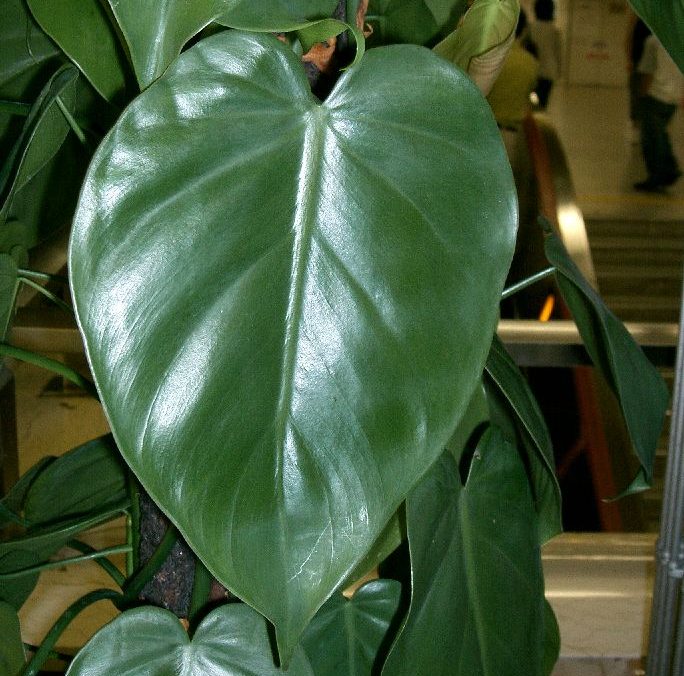
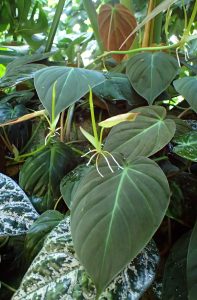
Heartleaf Philodendron is an evergreen climber with glossy, heart-shaped leaves and slender, flexible stems. It has a vigorous trailing or climbing habit, with staked mature plants producing stems several metres long. Its smooth, dark green, alternate leaves create dense, attractive foliage throughout the year. Furthermore, the plant’s climbing stems and ability to adapt to different light conditions make it well suited to growing upward toward brighter areas of the forest canopy.
Aerial Roots and Smart Growth Strategy
Aerial roots emerge from stem nodes and help the plant firmly attach to tree trunks, rocks, and other surfaces. These roots have an additional function beyond anchorage, as they can absorb moisture and dissolved nutrients directly from the surrounding environment. Strong underground roots efficiently take up water and nutrients from organic-rich soils. Additionally, the juvenile plants produce smaller leaves, which gradually become larger as climbing stems reach toward brighter light. This combination of aerial roots, flexible stems, and changing leaf size allows the plant to thrive beneath dense tropical forest canopies.
Habitat and Ecological Importance
Heartleaf philodendron naturally occurs in humid tropical rainforests, woodland edges, riverbanks, and shaded understories throughout Central America and the Caribbean. It prefers warm temperatures, moderate humidity, and bright indirect light but can tolerate lower light than many tropical ornamentals. In tropical forests, it increases vegetation complexity and provides refuge for small organisms. Its dense foliage creates shady microhabitats for insects, spiders, and other invertebrates, while its climbing stems contribute to vertical biodiversity within forest ecosystems.
Propagation
Reproduction occurs through flowering, pollination, and seed production. Small flowers develop on a characteristic spadix enclosed within a protective spathe, a structure typical of the arum family. The plant can also be easily propagated vegetatively through stem cuttings, as rooted nodes develop quickly under suitable conditions. Moreover, its reliable growth and ease of propagation have helped make it one of the world’s most popular foliage plants.
Low Maintenance Outdoor Plants: A Carefree Green Companion
Heartleaf Philodendron is a low-maintenance, adaptable plant that is ideal for beginners. It grows best in bright, indirect light but tolerates lower-light conditions. Water when the top 1–2 inches of soil feel dry, using a well-draining potting mix and a container with drainage holes to prevent root rot. It prefers warm temperatures and moderate humidity. In warm, frost-free climates, it also grows outdoors year-round, making it one of the best low maintenance outdoor plants for shaded patios, balconies, and gardens. Occasional pruning encourages bushier growth, while wiping the leaves removes dust and keeps the foliage healthy. Its trailing vines and heart-shaped leaves make it equally suitable for shelves, hanging baskets, and shaded outdoor spaces.
Threats & Conservation
Potential threats include deforestation, habitat fragmentation, excess soil moisture, root diseases, and infestations of mealybugs or scale insects in cultivation. Conservation efforts focus primarily on protecting tropical forest habitats and encouraging responsible cultivation rather than wild collection. Protecting its natural habitats helps preserve the diverse ecosystems in which tropical climbing plants contribute to forest structure and biodiversity.
Heartleaf Philodendron’s climbing habit, aerial roots, and adaptability showcase the remarkable strategies that help tropical plants thrive in competitive forest environments. Its beauty, resilience, and easy care also make it a popular choice for bringing tropical greenery into homes.