Overview
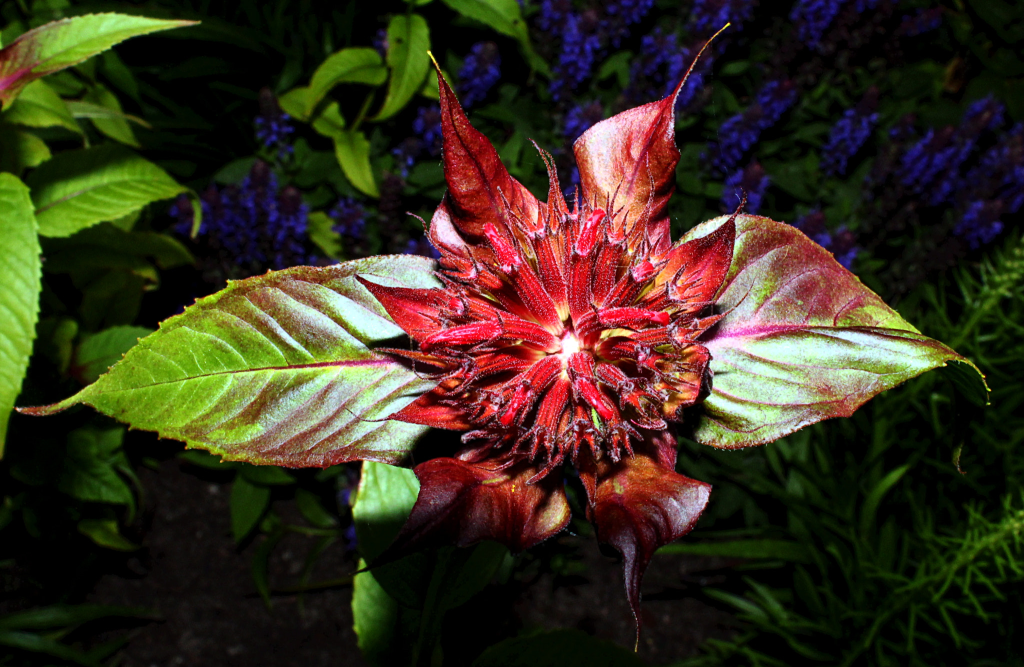
Crimson Bee Balm, also known as Scarlet Bee Balm, Oswego Tea, Crimson Bee Balm, or Wild Bergamot, is a herbaceous perennial belonging to the mint family (Lamiaceae). Native to eastern North America, it is prized for its vibrant flowers, fragrant foliage, and exceptional ability to attract pollinators. Its ornamental value, adaptability, and ease of cultivation make it a popular choice for cottage gardens, meadows, herb gardens, and naturalised landscapes.
Bee Balm’s Hidden Features
Bee Balm typically grows between 60 and 150 cm (2–5 ft) tall and spreads through an underground rhizome system, allowing it to form dense colonies over time. The plant produces upright, square stems that support deep green, lance-shaped leaves measuring 6–15 cm (2.4–6 in.) long. The leaves have serrated margins and fine glandular hairs, releasing a pleasant mint-like fragrance when crushed. Flower colours range from brilliant scarlet red to shades of pink, lavender, and purple, depending on the variety. The rounded flower heads typically measure 7–10 cm (3–4 in.) across and create a dramatic display in the garden.
The Perfect Bee Balm Habitat
Native to eastern North America, Bee Balm naturally occurs in moist woodlands, meadows, thickets, bottom-lands, and along stream-banks. It thrives in areas with consistent moisture and blends well into naturalistic plantings. In gardens, it performs best in sunny locations but can tolerate partial shade. Sites near ponds, streams, or other water features are particularly suitable, provided the soil remains moist but well-drained.
The Pollinator Magnet Plant
Flowering generally occurs from early summer through autumn, often lasting up to eight weeks or more. The nectar-rich blooms are highly attractive to bees, butterflies, hummingbirds, and other beneficial insects, making Bee Balm one of the most valuable plants for pollinator gardens. The flowers also make excellent cut flowers and contribute vibrant colour throughout the growing season.
The Easy Bee Balm Formula
Crimson Bee Balm grows best in fertile, humus-rich, well-drained soil that retains moisture. Seeds can be sown in spring and often benefit from a period of cold stratification to improve germination. Since the seeds require light for germination, they should be lightly pressed onto the soil surface rather than deeply buried.
The plant can also be propagated through stem cuttings or by dividing mature clumps, which is generally the most reliable method. Regular watering during dry periods helps maintain vigorous growth, while compost or a balanced fertiliser supports healthy flowering. Removing spent blooms encourages prolonged flowering, and dividing established clumps every few years helps control spread and maintain plant vigor.
Valuable Bee Balm Uses
Leaves are best harvested before flowering, while flowers can be collected throughout the blooming season. Both can be used fresh or dried for herbal teas, salads, and other culinary applications. Traditionally, Crimson Bee Balm has also been valued for its medicinal properties and was used by Indigenous peoples to prepare herbal remedies and soothing teas.
Common Bee Balm Challenges
Although generally hardy, Bee Balm may occasionally be affected by aphids, scale insects, slugs, and other minor pests. Powdery mildew is the most common disease problem, particularly in humid conditions or crowded plantings with poor air circulation. Rust and root rot may also occur under unfavourable conditions. Proper spacing, good airflow, and watering at the base of the plant help reduce disease issues.
The Perfect Garden Addition
Crimson Bee Balm is widely used in perennial borders, cottage gardens, wildflower meadows, native plant gardens, herb gardens, and naturalized landscapes. It is especially effective when planted in masses and is an excellent choice for butterfly and bird gardens. With its colorful blooms, fragrant foliage, long flowering season, and importance to wildlife, Bee Balm remains a valuable and attractive addition to gardens of all styles.