Overview
Florist Kalanchoe, native mainly to Madagascar, is one of the most widely grown species of the genus Kalanchoe in home gardens, both indoors and outdoors. It is valued for its vibrant, long-lasting flowers, glossy dark-green foliage, and wide range of bloom colours. This low-maintenance succulent belongs to a genus that includes about 250 species.
A Burst of Lasting Colour
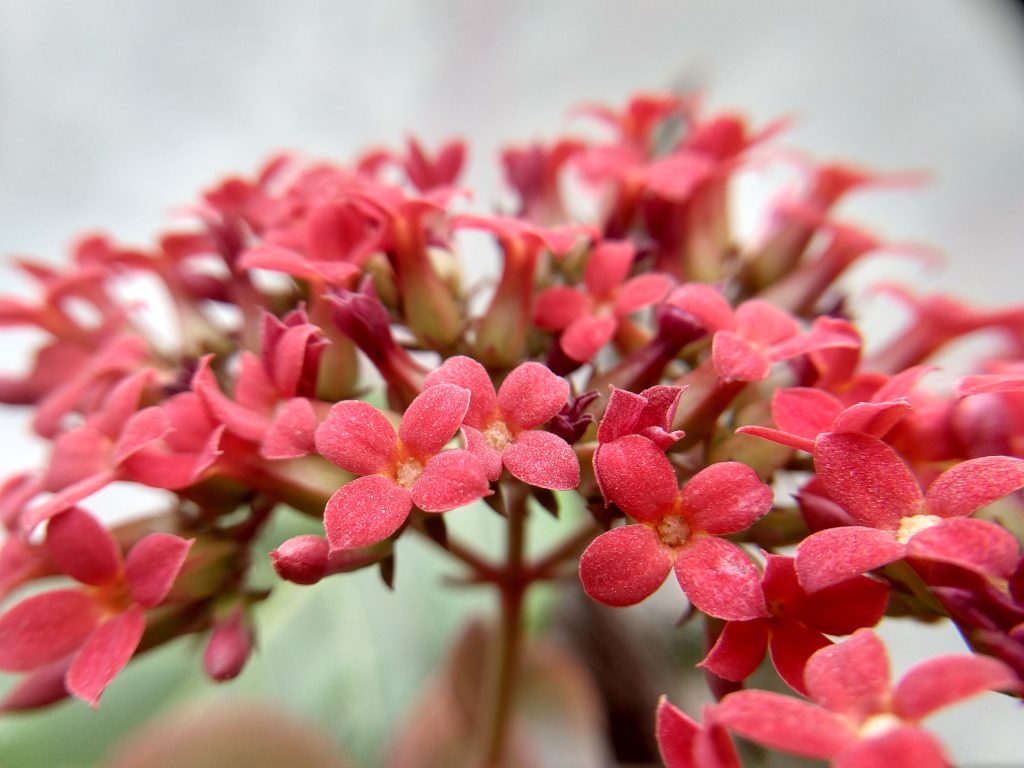
Florist Kalanchoe features bright green, fleshy, oval-shaped leaves with gently scalloped edges, giving the plant a soft appearance despite its sturdy succulent nature. It produces clusters of small, star-shaped flowers in vibrant shades of red, orange, yellow, pink, and white. The blooms appear in dense clusters at the tips of stems, creating a colourful display above the foliage.
Built for Every Season
The plant typically grows 6–18 inches (15–45 cm) tall and spreads 6–12 inches (15–30 cm) wide. It usually flowers in late autumn to early winter, although indoor plants may bloom at other times of the year. Under favourable conditions, flowering can occur approximately every six months, with blooms lasting six weeks or longer.
More Than One Bloom
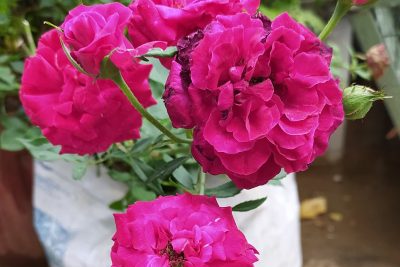
Among Kalanchoe blossfeldiana cultivars, flowers are generally classified into three forms: single, double, and rose-shaped. Single flowers have a star-like appearance with four rounded to pointed petals. Double flowers feature an additional layer of four or more inner petals, while rose-form blooms are densely layered, resembling fully opened roses. Florist Kalanchoe is most commonly propagated through stem cuttings and offsets, while seed propagation is less frequently used because it is slower and less reliable.
The Cutting Advantage
Stem Cuttings: This is the most effective and widely used method. Use a clean, sharp tool to cut a healthy 2–4 inch (5–10 cm) stem, preferably at a diagonal angle to increase the rooting surface. Remove the lower leaves and leave the cutting to dry for a day or two until a callus forms at the cut end. Once dried, plant it in a well-drained succulent potting mix and water lightly until roots become established.
Small Starts Big Future
Offsets: Carefully separate small offsets, or “pups,” that develop at the base of the parent plant by hand or with a clean blade. After removal, allow the offset to dry briefly to form a callus before planting. Then place it in a freely draining soil mix and water sparingly. Keep the new plant in a warm location with bright, indirect light until roots develop. Regular removal of offsets may help prevent overcrowding and encourage healthy growth.
Easygoing by Nature
Florist Kalanchoe thrives with minimal care when provided with suitable growing conditions. It grows best in bright, indirect light or partial sun, receiving approximately 6–8 hours of filtered sunlight each day. Although it can tolerate some direct sunlight, prolonged exposure may cause leaf scorching, fading, and dehydration. The plant requires a well-drained growing medium, such as a cactus or succulent mix, to prevent excess moisture around the roots. Containers should have adequate drainage holes, as Kalanchoe is sensitive to waterlogged conditions. Water only when the surface of the soil feels dry, allowing the soil to dry slightly between watering. Indoor plants generally require less frequent watering than those grown outdoors.
Comfort in Every Climate
Florist Kalanchoe performs best at daytime temperatures of 60–75°F (15–24°C) and slightly cooler temperatures at night. It tolerates moderate humidity, but excessively humid conditions may increase the risk of root and stem rot. In colder regions, protect plants from frost and move them indoors when temperatures drop significantly.
This succulent has relatively low fertiliser requirements. Applying a balanced, water-soluble fertiliser at half strength every four to six weeks during the active growing season can promote healthy growth and flowering. Routine maintenance mainly involves removing spent flowers and dead or damaged leaves. Occasional pruning of leggy stems helps maintain a compact, bushy appearance.
Trouble in Tiny Packages
Florist Kalanchoe is generally a hardy plant, but it may occasionally be affected by common pests such as aphids, mealybugs, and spider mites. Regular inspection of the foliage helps identify infestations early. If you detect pests, you can usually control them using insecticidal soap, neem oil, or other appropriate treatments.
Although the plant is resistant to most diseases, excessive watering can lead to root rot, one of the most common and serious problems affecting Kalanchoe. Maintaining proper drainage and avoiding over-watering are the most effective ways to prevent disease and keep the plant healthy.