Does Lantana Flower Change Colours?
Lantana camara is a branching shrub in the family Verbenaceae. Depending on its form and growing conditions, it can range from a low, spreading plant to a shrub several metres tall. It often has four-sided stems with small, curved prickles, while its rough, toothed leaves release a strong smell when you crush them.
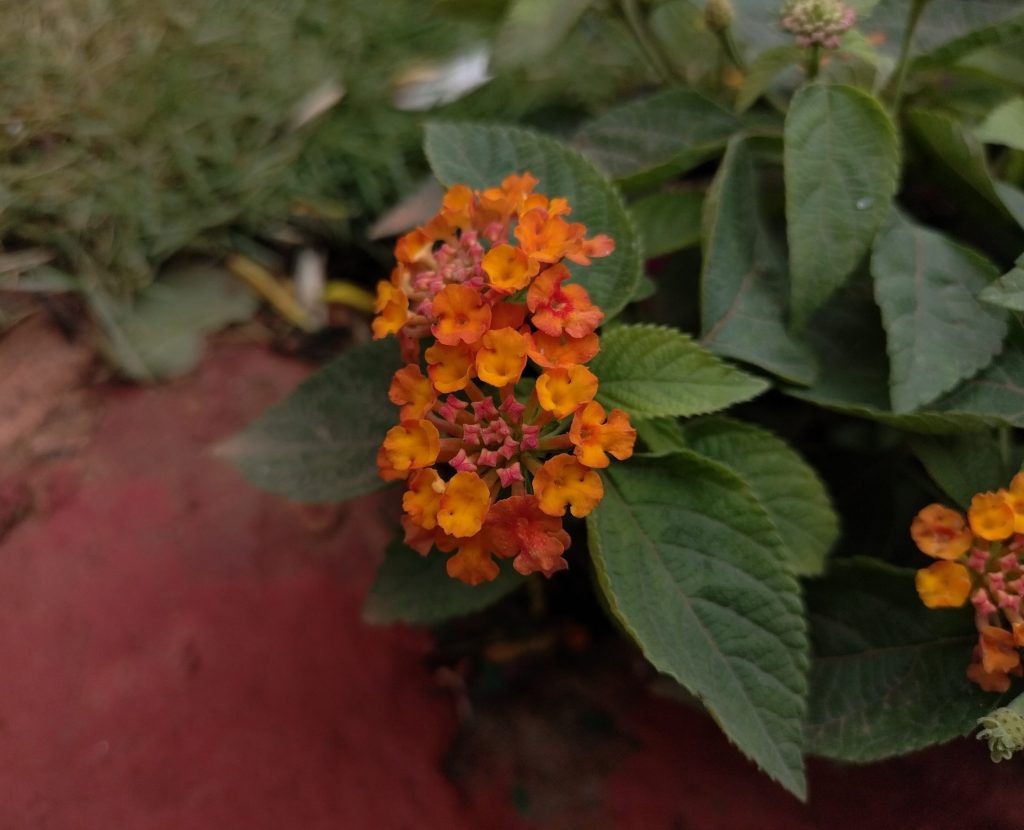
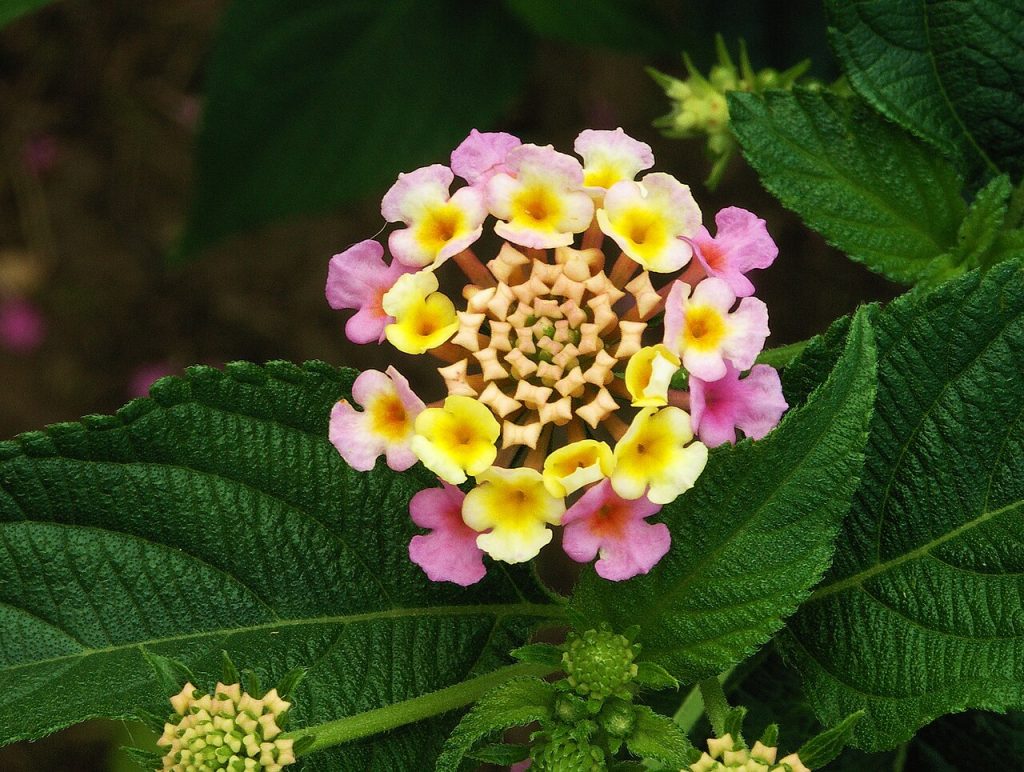
The most noticeable feature is its rounded clusters of tiny tubular flowers. Individual blooms can be yellow, orange, red, pink, purple, or white, and more than one colour may appear in the same flower cluster. The flowers can also change colour as they mature, creating striking mixed-colour clusters on a single plant. In warm climates, lantana can flower for long periods, contributing to a lengthy flowering season.
Different Names of Lantana
People use many common names for Lantana camara in different parts of the world. Some English names include Spanish flag, West Indian lantana, wild sage, prickly lantana, and tickberry.
In India, the plant has several regional names, including Kongini in Kerala, Ghaneri in Maharashtra, and Putush in West Bengal. Other regional names include Gu Phool in Assam, Daihling Par in Mizoram, and Thirei in Manipur. In Nepal, people call it Banfada, while in the Maldives, they call it Kashi Kothan. The wide range of common names reflects the plant’s spread across different regions and cultures.
Modern Onam Floral Designs
These colourful flower clusters can add variation and texture to seasonal floral arrangements. During Onam, a festival known for bright flowers and Pookalam designs, people can use locally available lantana blooms in modern flower arrangements to add splashes of colour.
The different shades within the flower clusters can provide contrasting areas alongside other flowers, particularly in informal decorative designs. Its use in these settings is mainly a matter of local availability and individual design preference rather than a fixed part of traditional Onam floral practices.
How Lantana Attracts Pollinators
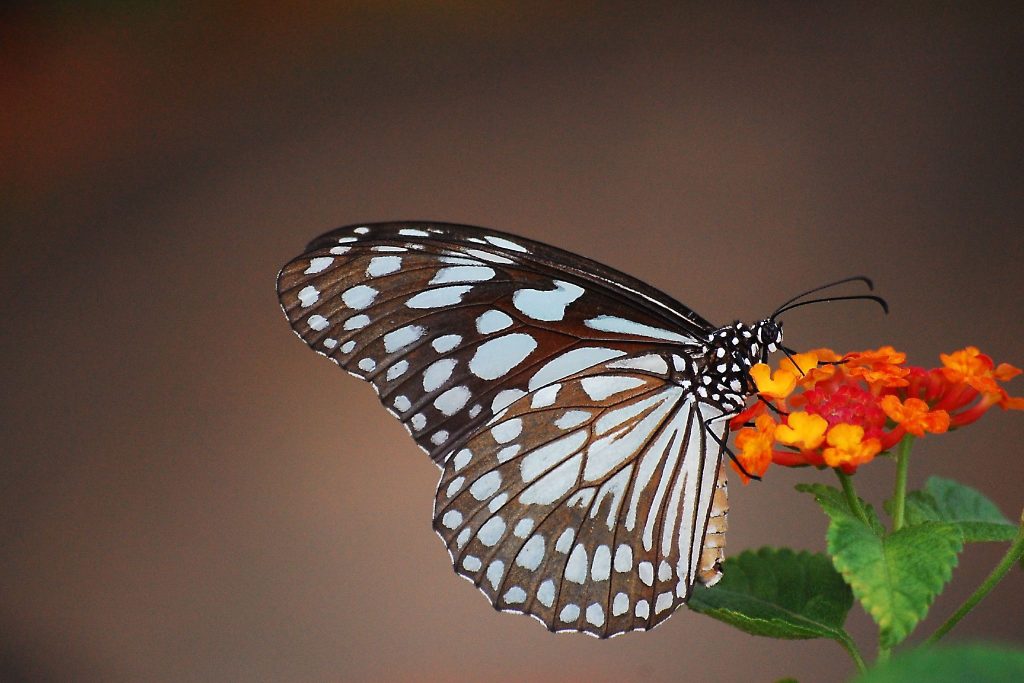
Lantana flowers attract butterflies, bees, and other insects searching for nectar. Its long flowering period can provide a useful nectar source when fewer other plants are in bloom. However, its value to pollinators varies depending on the region, particularly where the plant behaves invasively.
After pollination, the flowers develop into small, fleshy fruits that turn purple-black or black when ripe. Some fruit-eating birds consume these fruits and can help disperse the seeds to new areas.
Why Lantana Can Become Invasive
Lantana originated in Mexico, tropical America and the Caribbean, but people have introduced it to tropical and subtropical regions worldwide. It now grows in gardens, roadside verges, forest clearings, grasslands, woodland edges and other disturbed habitats. The plant grows well in sunlight and well-drained soil, while established plants can tolerate fairly dry conditions. Propagation through seeds or cuttings, with cuttings offering a convenient way to reproduce favoured plants.
This plant responds particularly well to disturbance. Clearing, grazing, roads, and other environmental changes create open conditions where it can establish easily. Its ability to tolerate different conditions, along with birds that disperse its fruits, helps lantana spread beyond cultivation. In some countries, including India, these characteristics have allowed lantana to become invasive and spread aggressively.
Dense lantana growth can compete with native vegetation and alter habitats, creating serious management concerns in affected landscapes. Once established, large stands can be difficult to remove and may regenerate after control efforts. Management can involve removing established plants, preventing seed spread, restoring native vegetation, and monitoring areas for regrowth.
World’s Worst Invasive Species List
Lantana camara has significant invasive potential. The IUCN Species Survival Commission’s “100 of the World’s Worst Invasive Alien Species” includes the plant on a list developed by the Invasive Species Specialist Group from the Global Invasive Species Database.
Although people value it as an ornamental plant and pollinators can benefit from its nectar, the plant can have serious ecological impacts in areas where it becomes invasive. Dense lantana stands can crowd out native plants and alter invaded ecosystems, making careful management important in affected regions.
Medicinal Uses of Lantana
Lantana has a history of traditional medicinal use, particularly in South Asian and other traditional healing systems.
Traditional medicine uses different parts of the plant to treat various ailments. These include skin problems, wounds, ulcers, respiratory complaints, fever, rheumatism, and stomach-related problems. Research has also investigated extracts and compounds from lantana for antimicrobial, anti-inflammatory, and other biological activities. However, these findings do not establish the plant as a proven medical treatment.
Lantana is toxic, particularly to livestock, and ingestion can cause serious poisoning. People should not consume lantana or use it medicinally without appropriate professional guidance.
Frequently Asked Questions
Lantana flowers can change colour as they mature. This causes flowers of different ages to appear in different shades, so a single flower cluster may contain several colours at the same time.
Lantana can establish easily in disturbed areas and tolerate a range of environmental conditions. In regions where it becomes invasive, dense growth can compete with native vegetation and alter habitats.