Distinctive Foliage and Flowering Features
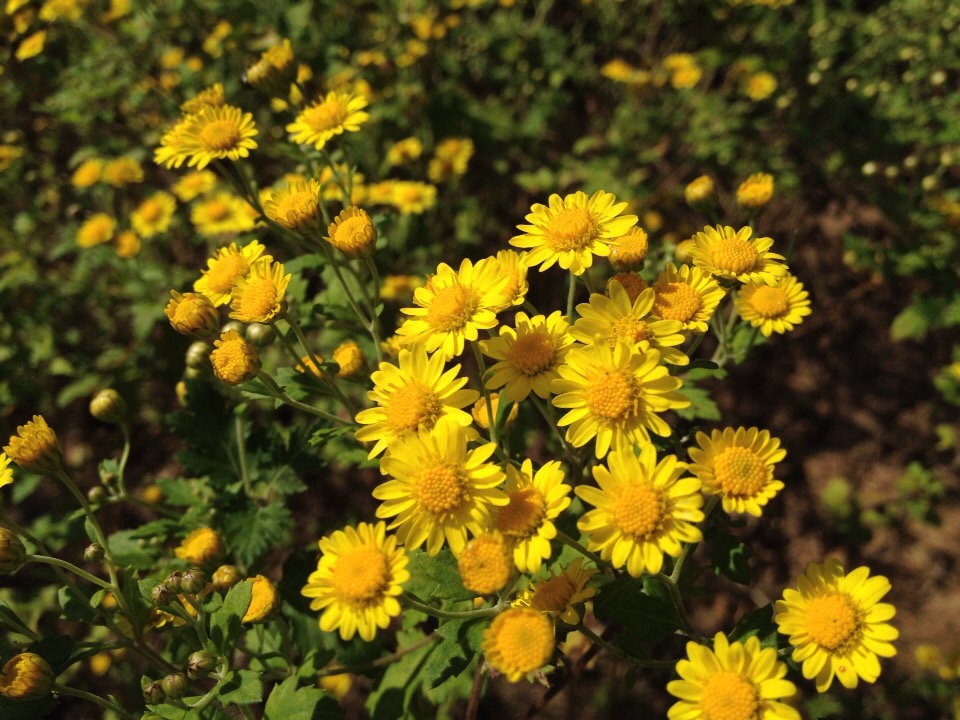
Lavender-leaved Chrysanthemum is an herbaceous perennial that develops finely divided, gray-green foliage and aromatic leaves. The foliage often has a silvery or reflective appearance, which creates an attractive contrast with the flowers. Mature plants form tight clumps that add texture and structure to gardens and naturalized landscapes. The plant produces abundant clusters of daisy-like flowers, typically featuring white petals and yellow centers, during the flowering season. Its long flowering period makes it an appealing ornamental plant, especially when many other plants have finished blooming.
Is Lavender Chrysanthemum the Same as Lavender-Leaved Chrysanthemum?
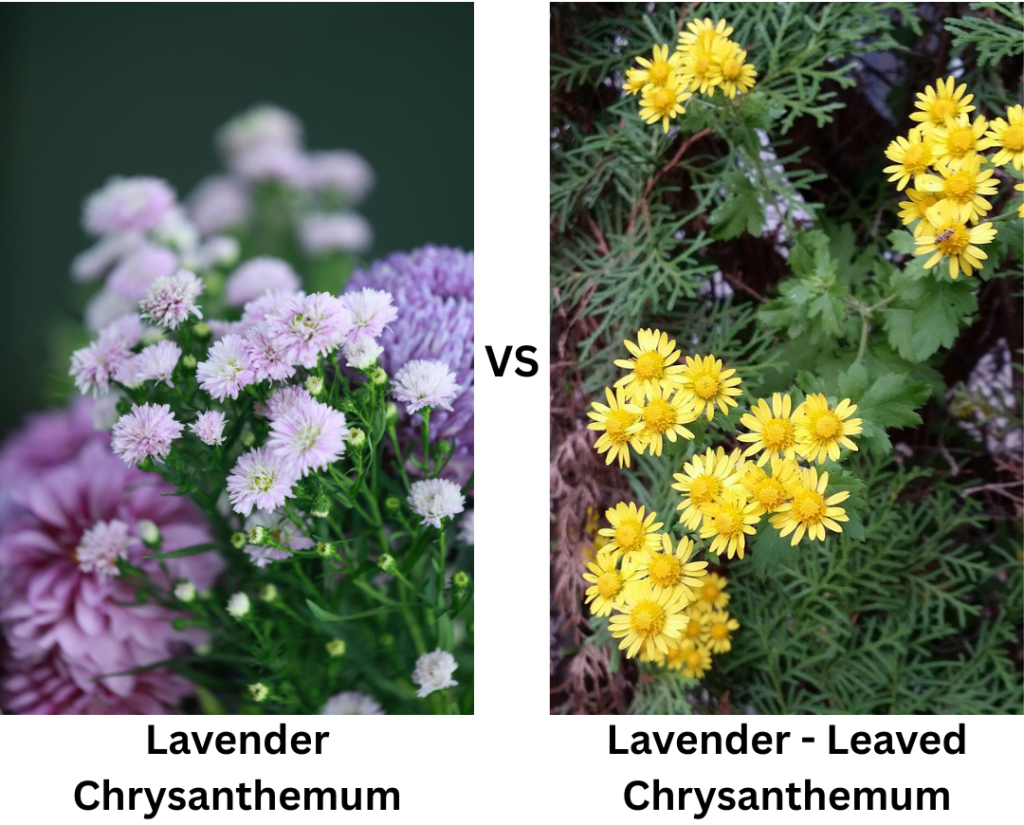
Many gardeners assume that lavender chrysanthemum and lavender-leaved chrysanthemum are the same plant, but the names can be misleading.
Lavender-leaved chrysanthemum is the common name for Chrysanthemum lavandulifolium. The “lavender-leaved” part describes the plant’s finely divided, gray-green foliage, which resembles the leaves of true lavender (Lavandula). It does not mean the flowers are lavender in color. Instead, the plant typically produces cheerful yellow daisy-like blooms in autumn.
Pollinator Benefits and Ecological Value
The flowers of lavender-leaved chrysanthemums provide valuable nectar and pollen resources for bees, butterflies, hoverflies, and other beneficial insects. Flowering usually occurs from late summer to autumn when many pollinators are still seeking nectar resources. Lavender-leaved chrysanthemums grow naturally and in cultivation across open grasslands, rocky slopes, gardens, and temperate landscapes. The pollen provides a valuable food source for small insects, while the surrounding vegetation contributes to overall biodiversity. The plant has ecological value in terms of providing habitat for pollinators and enhancing floral diversity.
Survival Adaptations and Drought Tolerance
The lavender-leaved chrysanthemum is very drought-tolerant and will do well in sunny spots with good drainage. Fibrous roots are good at nutrient uptake and long-term persistence. The reflective surface of the leaves, which may help reduce water loss in strong sunlight. The leaves contain aromatic compounds that reduce browsing pressure from some herbivores. The species grows fast and forms dense vegetation, which can crowd out other weeds. However, excessive soil moisture, fungal diseases, habitat disturbance, and competition from invasive species can pose potential threats to its growth.
Propagation and Landscape Uses
Reproduction occurs through flowering, pollination, and seed production, while mature clumps can propagate through division. Pollination causes the flowers to produce seeds, which can grow into new plants under suitable conditions. People widely cultivate this species, and it does not face significant conservation concerns. Its ornamental appeal, hardiness, and ecological value make lavender-leaved chrysanthemums a choice for cultivation. Furthermore, these perennial flowering plants attract appreciation for their unique foliage, long-lasting blooms, and ability to support beneficial insects. The species continues to enhance landscapes while promoting pollinator diversity and sustainable gardening practices.