Overview
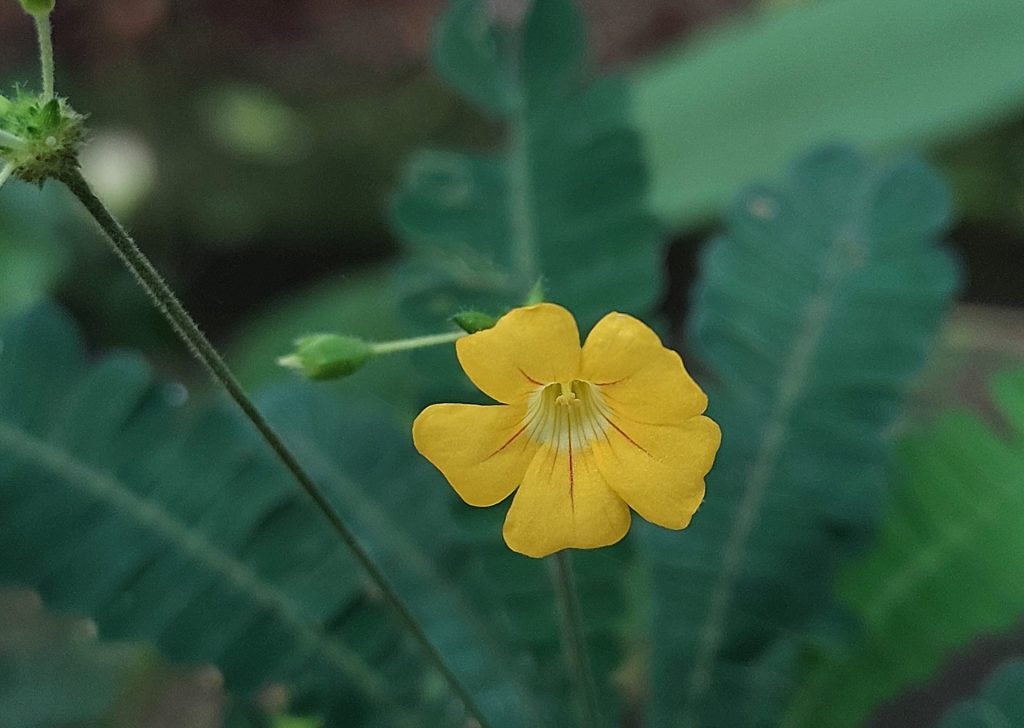
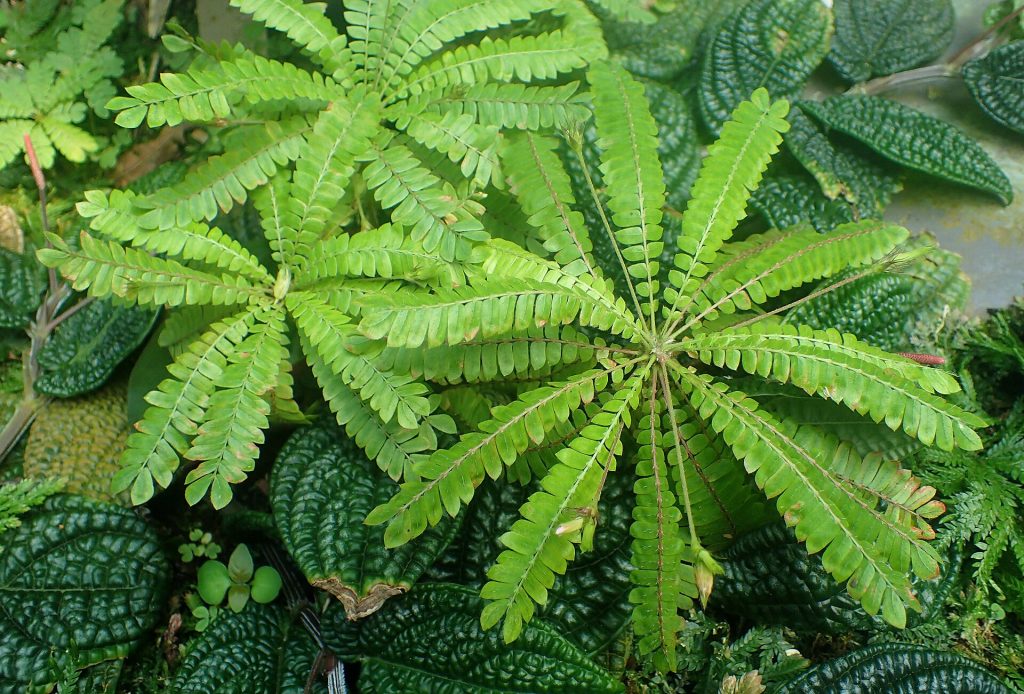
Biophytum sensitivum (Little Tree Plant) is a small annual herb belonging to the family Oxalidaceae. It has a slender stem and a crown of compound leaves, with a typical height of 10–40 centimeters. The many small leaflets sit on the leaf stalk, making it look like a miniature tree.
Dense clusters of tiny yellow flowers grow above the foliage. Each flower has five petals and a simple, delicate form. Flowering periods vary by region, but in suitable tropical conditions it can occur through much of the year.
Habitat and Growth of Little Tree Plant
It is native to tropical and subtropical Asia, from India and Nepal through Bangladesh and Sri Lanka to Southeast Asia and parts of southern China. It commonly grows in moist shaded places, grasslands, pastures, fallow fields, forest edges, and damp rocky areas.
Warm conditions, regular moisture, and well-drained soil support healthy growth, while prolonged cold or dryness can restrict development. The plant primarily reproduces through seed. After flowering, it produces small capsules containing seeds. Once mature, the capsule will release the seeds, which can then grow into new plants in suitable environments. Small insects may visit the flowers, helping to pollinate them, and the plant is part of the vegetation of moist tropical habitats.
The Science Behind Its Leaf Movement
One of the strangest traits is that it can fold its leaflets when touched or mechanically disturbed. This movement is called thigmonasty, and it occurs through changes in water pressure in special cells. This response does not require nerves or muscles and shows how plants can produce quick movements by changes in their own tissues. This behavior is similar to that of Mimosa pudica, another well-known plant that folds its leaves when touched. The leaves may also change their position from day to day in response to changing light conditions.
Little Tree Plant in Onam Pookkalam
In Kerala, people popularly call the plant Mukkutti, and the flower has a strong association with Onam traditions. People traditionally use its small yellow flowers in Pookalam, the floral decoration created during the festival.
Mukkutti is one of the flowers that traditionally feature in these arrangements. Its yellow flowers give a bright color that is good with other seasonal blooms, and their small size lends itself to detailed floral patterns. Historical and ethnobotanical records also document the cultural significance of Mukkutti in Kerala.
Medicinal Uses of Little Tree Plant
Little Tree Plant has a long history of use in traditional medicine, including Ayurvedic and Siddha practices. Traditional practitioners have used different parts of the plant for purposes associated with respiratory complaints, stomach problems, inflammation, wounds, and other ailments. Ayurvedic sources also describe the plant, known as Alambusha, as a medicinal herb.
Researchers have investigated extracts of Biophytum sensitivum for antioxidant, anti-inflammatory, antibacterial, wound-healing, antidiabetic, and immunomodulatory activities. However, researchers have obtained much of this evidence from laboratory and preclinical studies, so they need further clinical research to establish its effectiveness and safety in humans.
Today, it is still common throughout much of its native range and is not deemed threatened by current global assessments. Its strange leaf movement, compact form, delicate flowers, and connection with the floral traditions of Kerala make it a unique plant to observe in nature or in cultivation.
Frequently Asked Questions
Little Tree Plant folds its leaflets because touch or physical disturbance triggers changes in water pressure within specialised cells. This rapid response, called thigmonasty, causes the leaflets to move inward.
Both Little Tree Plant and Mimosa pudica can fold their leaves after physical disturbance. However, they belong to different genera and families