Why Snake Plant Is So Drought-Tolerant
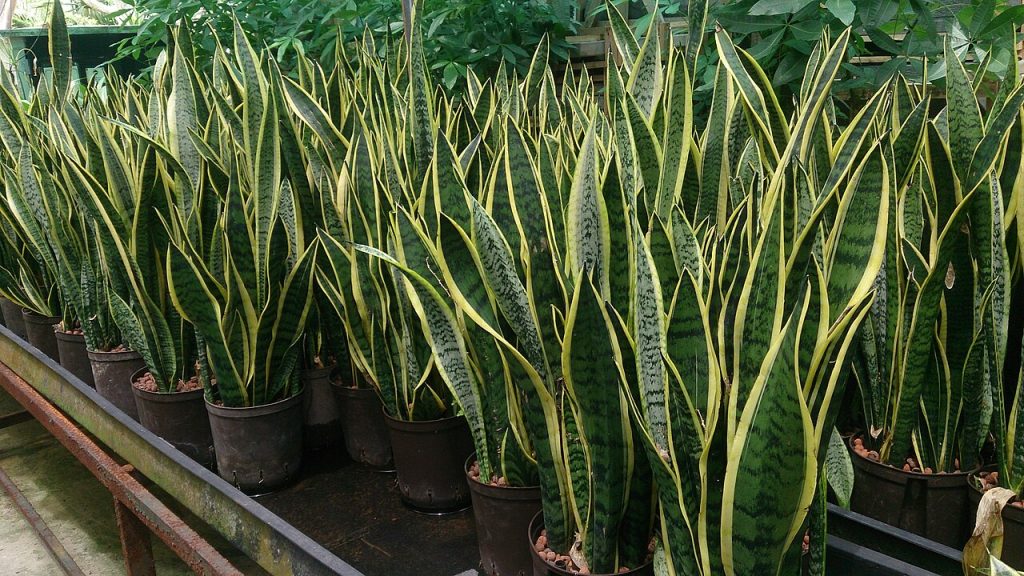
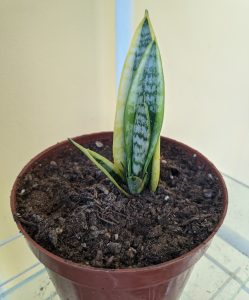
The Snake Plant (also known as the Mother-in-law’s Tongue or Saint George’s Sword) is an evergreen succulent with upright, sword-shaped leaves with pointed tips. The leaves are smooth, waxy, and have striking green patterns. Cultivated varieties often have yellow edges. Depending on the variety and growing conditions, mature plants usually grow to between sixty centimetres and one and a half metres in height. Thick fleshy leaves grow directly from underground rhizomes and form dense clumps that spread slowly over time. The leaves are very water-retentive and can withstand long dry spells. The plant is securely held in place by strong rhizomes, which also produce new shoots, enabling the colony to expand naturally.
The Secret Behind Its Water-Saving Ability
One of the snake plant’s most remarkable adaptations is its use of Crassulacean Acid Metabolism (CAM), a specialised form of photosynthesis common among desert succulents. Instead of opening its leaf pores during the day, the plant opens them primarily at night, when temperatures are cooler and evaporation is lower. This strategy greatly reduces water loss while allowing the plant to absorb carbon dioxide efficiently, making it exceptionally well adapted to hot, dry environments.
Habitat and Ecological Benefits
Natural populations occur in rocky grasslands, dry woodlands, scrublands, and semi-arid areas of tropical West and Central Africa. In good seasons, mature plants sometimes develop tall flower spikes bearing fragrant greenish-white or creamy-white nectar-rich blossoms. From an ecological perspective, the species adds value by hosting pollinating insects during flowering and by contributing structural diversity in dry habitats. Bees, moths, and other nectar-eating insects may visit the flowers, while dense foliage provides shelter for small invertebrates.
Propagation
It reproduces by flowering, seed formation, rhizome increase, and vegetative propagation by leaf cuttings or division. Mature clumps are often divided by gardeners; this method preserves desirable characteristics and promotes vigorous new growth.
Low Maintenance Outdoor Plants
Snake Plant is a hardy, low maintenance succulent that grows well both indoors and outdoors. It thrives in bright, indirect light but also tolerates low-light conditions indoors, making it a versatile choice for homes and gardens. In warm, frost-free climates, it is one of the best low maintenance outdoor potted plants all year, growing well in containers, borders, or landscape beds. Water only when the soil has dried out completely, as overwatering can cause root rot. Plant it in a well-draining cactus or succulent mix with good drainage. Feed once or twice during spring and summer with a diluted balanced fertiliser, avoid fertilising in winter, and remove damaged leaves occasionally to keep the plant healthy.
Threats & Conservation
Possible threats include long-term waterlogging, severe frost, fungal root diseases, and habitat degradation affecting wild populations. Conservation efforts focus on habitat protection and cultivation instead of the collection of plants from the wild.
The snake plant remains one of the most durable of all succulents available in the world. Known for its durability, architectural form of leaves, and adaptability. The water-efficient structure, underground root structure, and adaptation to harsh conditions clearly reflect the amazing evolutionary adaptations that allow succulent plants to thrive in difficult conditions.