Overview
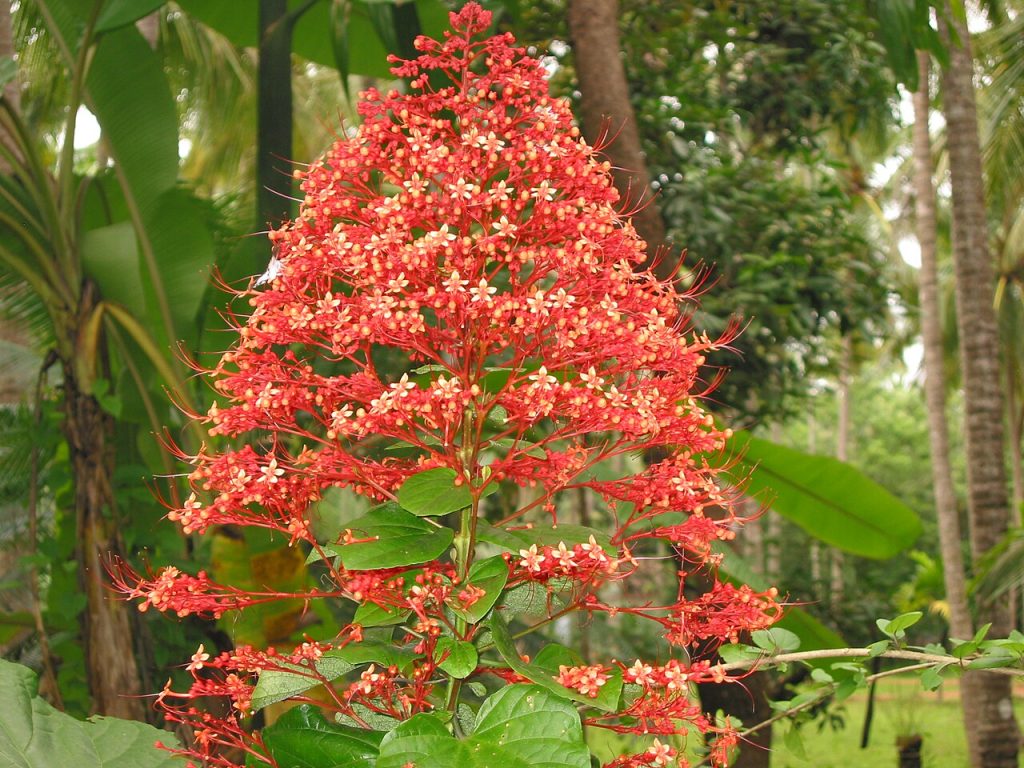
Clerodendrum paniculatum, commonly known as Pagoda Flower, is a tropical shrub native to tropical Asia and Papua New Guinea. It has also spread to parts of Central America. Naturally, the plant grows in tropical open forests, grassy marshes, forest edges, and stream banks.
Regional Names
Pagoda Flower has different names across the regions where it grows. In India, recorded names include Ratha pushpa and Ratha hoovu in Kannada, while Malayalam names include Arumasapoovu, Arumasachedi, Krishnakireedam, and Hanumankireedam. In Malaysia, people call it Pangil-pangil, a name connected with local traditional beliefs. Additionally, other English names include Orange Tower Flower and Pagoda Flower.
Characteristics
Pagoda Flower is an evergreen, woody shrub with glossy, deep-veined leaves. Its leaves vary from heart-shaped to rounded or ovate and may have three to five lobes. They grow opposite one another and can have a slightly unpleasant fragrance. Meanwhile, the stems and branches are hollow, four-angled, and slightly hairy.
The plant produces striking terminal flower clusters in pyramid-shaped panicles, giving rise to its common name, Pagoda Flower. The tubular flowers may be pink, orange-red, red, white, or yellow. Moreover, the stamens and style extend well beyond the petals. In tropical climates, the plant can flower for much of the year, and individual flowers may remain on the plant for several weeks. The fruits are spherical drupes about 1 cm in diameter, although cultivated plants rarely produce them.
Growing and Care
Pagoda Flower prefers full sun to partial shade and moist, well-drained soil. Regular watering helps maintain healthy foliage. However, pruning removes dead growth and maintains the plant’s shape. Gardeners can also propagate the plant through seeds, air layering, or root and stem cuttings.
Uses of Pagoda Flower
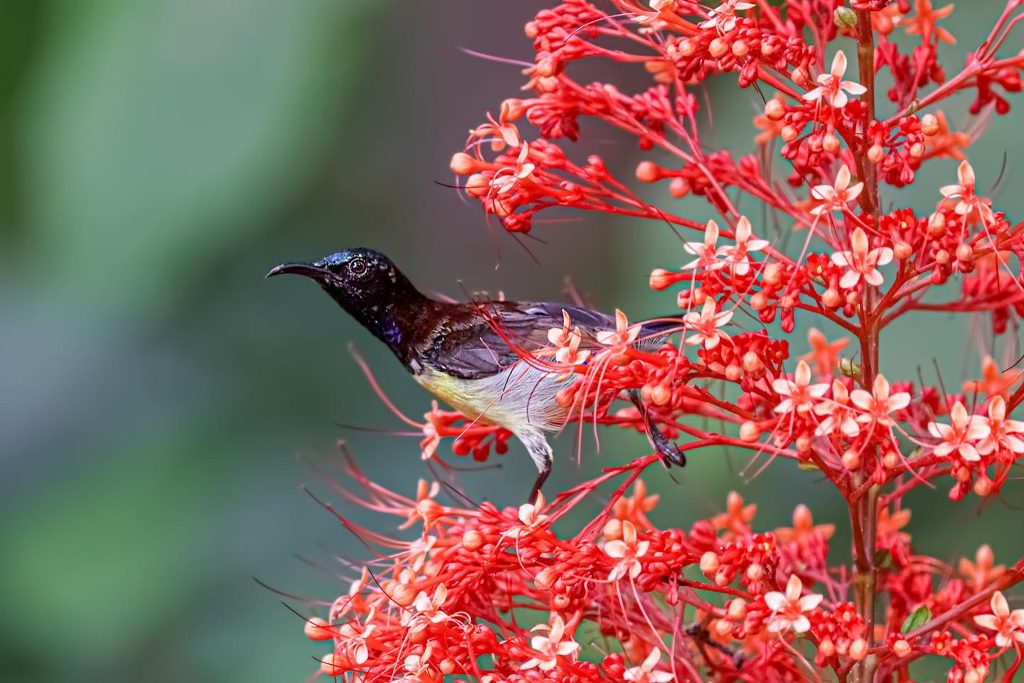
Pagoda Flower is often grown in tropical gardens for its ornamental value and striking flower clusters. Its tall, colorful flower displays can add strong visual interest to garden spaces. In addition, the flowers attract butterflies, making the plant useful for wildlife-friendly planting.
Different parts of the plant have served traditional purposes in several regions. Reported traditional uses include preparations associated with wounds, rheumatism, ulcers, inflammation, fever, and other ailments. In Indonesia, people have traditionally used the plant for sore eyes. Similarly, some communities in India and other Asian countries have used different parts for various folk remedies. However, these medicinal properties lack scientific verification. Therefore, people should not use the plant for self-treatment without appropriate professional guidance.
Cultural Significance
The plant also has interesting cultural associations in Southeast Asia. In Malaysia, the name Pangil-pangil connects with traditional beliefs that the plant could attract or summon spirits. However, such associations form part of local cultural traditions rather than established scientific properties.
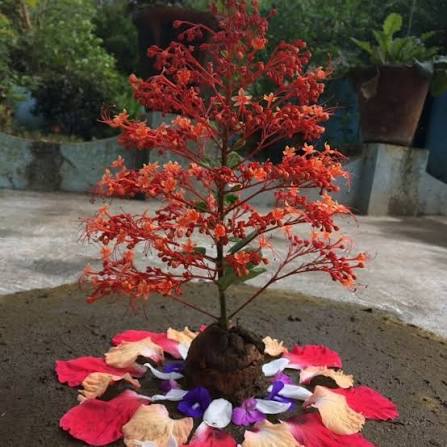
In Kerala, Pagoda Flower also has an association with Onam celebrations and features among flowers used in festive floral decorations. Furthermore, its bright flower clusters can add striking color and height to traditional floral displays.
Frequently Asked Questions
Its tall, pyramid-shaped flower clusters resemble the layered form of a pagoda, giving the plant its distinctive common name.
In tropical climates, it can flower for much of the year, with individual blooms sometimes lasting several weeks.