Peat Moss vs. Coco Coir
Like peat moss, coco coir holds water, improves aeration, and creates a lightweight growing medium. However, it comes from a completely different source. Coco coir is made from the fibrous husks that surround coconuts after the edible portion has been removed.
Although they often serve similar purposes, the two materials behave differently in the garden.
| Feature | Peat Moss | Coco Coir |
|---|---|---|
| Water retention | Excellent | Excellent |
| Rewets after drying | Fair | Excellent |
| Natural pH | Acidic | Near neutral |
| Texture | Fine and fibrous | Slightly coarser |
| Nutrient content | Very low | Very low |
| Best for acid-loving plants | Excellent | Good |
| Best for seedlings | Excellent | Excellent |
| Common use | Potting mixes, seed starting, propagation | Potting mixes, seed starting, houseplants |
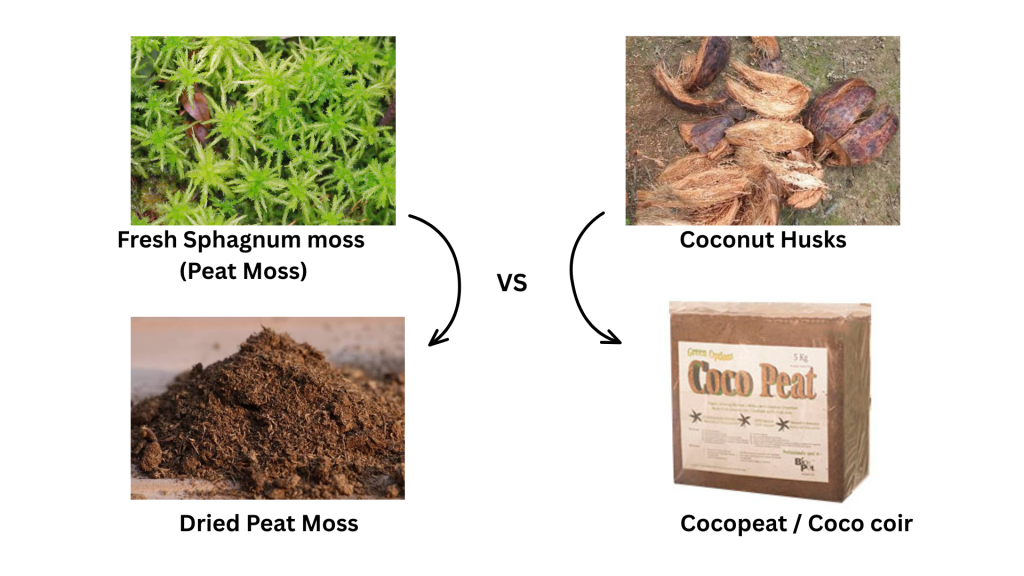
One practical difference is that coco coir is easier to rewet if it becomes completely dry. Peat moss can become water-repellent after prolonged drying, whereas coir generally absorbs water again more readily.
On the other hand, peat moss remains the preferred choice for many acid-loving plants because of its naturally low pH. Blueberries, azaleas, camellias, and carnivorous plants often perform particularly well in peat-based growing media.
For most home gardeners, either material can produce excellent results when used as part of a balanced potting mix. Many commercial blends even combine peat moss and coco coir to take advantage of the strengths of both.
Peat Moss vs. Compost
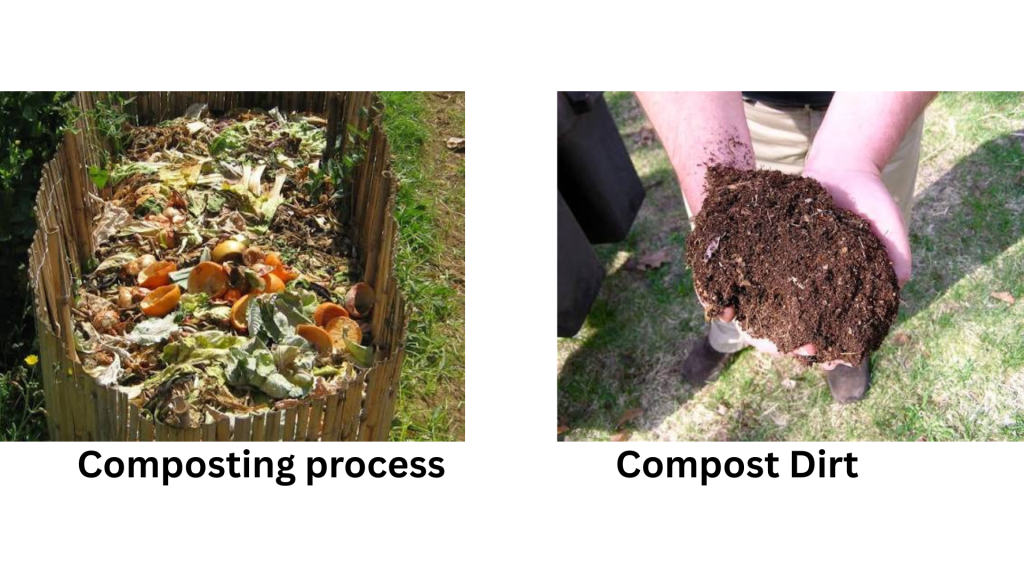
Although peat moss and compost are both organic materials, they serve very different purposes in the garden. Understanding the difference will help you choose the right one—or combine both for even better results.
Compost feeds plants, while peat moss supports the growing environment.
Compost is rich in organic matter, beneficial microorganisms, and nutrients that become available as it continues to decompose. It improves soil fertility, encourages microbial activity, and helps build healthy garden soil over time.
Peat moss, by contrast, contains very few plant nutrients. Instead, it improves the physical properties of a growing medium by holding moisture, increasing air space around roots, and reducing compaction. It acts more like a sponge than a fertilizer.
For many gardeners, the best solution is to use both materials together. Compost supplies nutrients and biological activity, while peat moss helps maintain a loose, moisture-retentive growing medium that supports healthy root growth.
| Feature | Peat Moss | Compost |
|---|---|---|
| Adds nutrients | No | Yes |
| Improves water retention | Excellent | Good |
| Improves soil structure | Excellent | Excellent |
| Encourages beneficial microbes | Limited | Excellent |
| Best for containers | Excellent | Good |
| Best for garden beds | Good | Excellent |
| Best for seed starting | Excellent | Usually too coarse |
Which Should You Choose?
Peat moss when your goal is to create a light, consistent growing medium for containers, seed trays, or houseplants.
Compost when you want to improve the fertility and long-term health of garden soil.
For many gardening projects, especially raised beds and large containers, using a combination of compost and peat moss gives the best of both worlds.
Frequently Asked Questions
Peat moss is naturally acidic, making it useful for plants that prefer a low-pH, moisture-retentive growing medium. Plants such as Azaleas, Rhododendrons, Blueberries, Camellias, Gardenias, Heathers, Hydrangeas and Carnivorous plants such as Venus flytraps and sundews grow well in peat moss.
Coco coir is suitable for a wide range of plants, including houseplants, herbs, vegetables, seedlings, and orchids. It works especially well for plants that prefer a well-aerated, moisture-retentive growing medium, such as pothos, tomatoes, peppers, and lettuce.
Compost can be used for growing a wide variety of plants, including vegetables, herbs, flowering plants such as marigolds, roses, petunias, and chrysanthemums, fruit plants, and houseplants. While some plants can grow in compost alone, it is generally better to add compost to a growing mix with materials such as garden soil, coco coir, peat moss, or perlite to improve drainage and aeration.
For vegetable gardening, a mix of garden soil, compost, coco coir, and perlite provides vegetables with nutrients while maintaining good drainage, moisture retention, and aeration.
A mix of garden soil, compost, coco coir or peat moss, and perlite works well for many flowering plants, but the mix can be adjusted based on the plant—for example, acid-loving flowers may benefit from a peat-moss-based mix.