Blooming Beauty
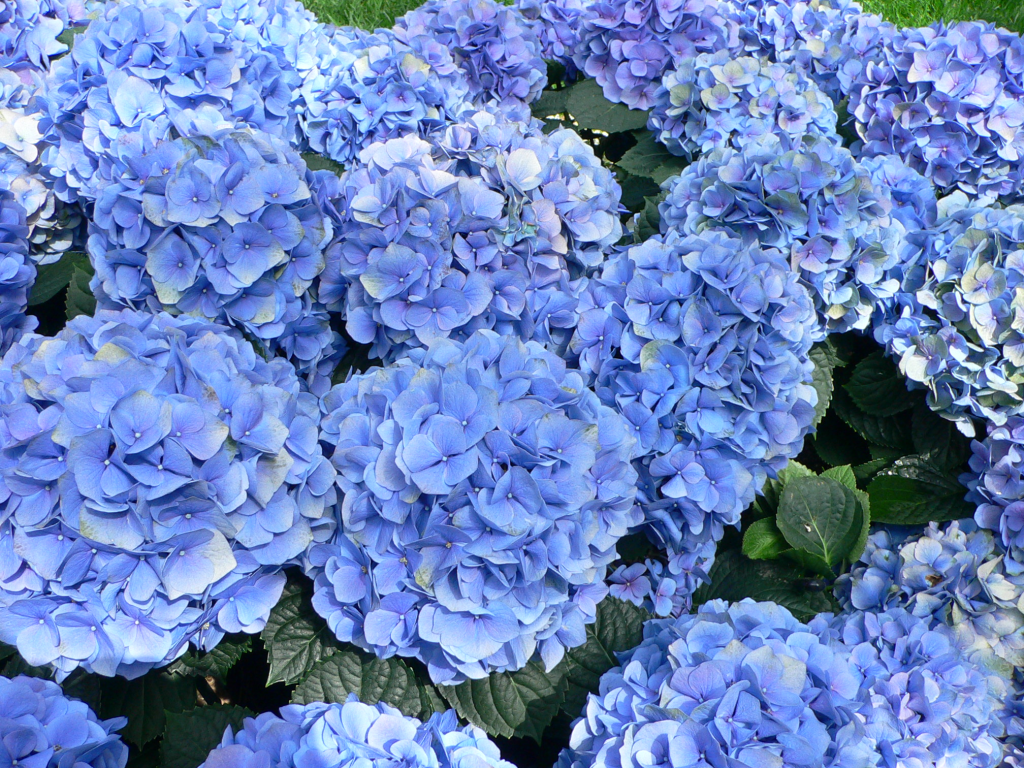
Bigleaf hydrangea is a deciduous shrub with rounded features, large bold leaves, and a cluster of long-blooming flowers, and is one of the most popular hydrangeas. Depending on soil conditions, bigleaf hydrangea can appear in shades of pink, blue, purple, white, or red, making it one of the most popular ornamental garden plants. The bigleaf hydrangea is native to parts of Asia, including Japan, China, and Korea.
Multi-colored shrub
Bigleaf hydrangeas have a rounded, bushy growth habit and grow relatively quickly. Most varieties reach 2–6 feet (60–180 cm) in both height and spread, forming dense mounds of attractive foliage and flowers. The shrub produces large, deep green, oval-shaped leaves with serrated edges. The leaves are typically long and usually fall in autumn, although they may persist longer in mild climates. A unique characteristic of Hydrangea macrophylla is that its flower color varies with soil pH. Blue and purple blooms develop in acidic soils, whereas pink and red shades appear in alkaline conditions. However, white-flowered varieties are not affected by soil pH and retain their color.
Types of Bigleaf Hydrangeas
Mophead hydrangeas and Lacecap hydrangeas are the two main types of Bigleaf hydrangeas
Mophead hydrangeas
It is the most commonly grown type and produces large, rounded, ball-shaped flower clusters made up mostly of showy sterile florets. The blooms are dense and highly ornamental, creating a bold display in the garden. The flowers can be blue, pink, purple, red, or white, depending on the variety and soil pH. Because the flowers are not easily pollinated, they remain attractive for a long period, often blooming throughout summer and into autumn.
Lacecap hydrangeas
It has a more delicate and natural appearance. The flower heads are flat or slightly domed, consisting of a central cluster of small fertile flowers surrounded by a ring of larger, showy sterile florets. The fertile flowers attract pollinators such as bees and butterflies. Lacecap blooms generally last for a shorter time than mophead blooms, but add elegance and texture to garden landscapes.
Beautiful Bigleaf Bloom
Bigleaf hydrangeas grow best in partial sun to partial shade. It prefers fertile, well-drained soil rich in organic matter. Before planting, improve the soil with compost or peat moss. Hydrangeas require consistently moist soil. Water regularly, particularly during dry periods. Apply organic mulch around the base of the plant to conserve moisture and maintain stable soil temperature. Feed the plant with a balanced fertilizer in early spring when new growth emerges. Fertilize again in midsummer to support continued flowering. Gardeners commonly propagate Hydrangea macrophylla through stem cuttings taken in late spring or early summer and root them in moist potting soil.
Shielding Blooms from Threats
Pests and diseases occasionally affect bigleaf hydrangeas. Common pests include aphids, spider mites, and Japanese beetles, which can damage leaves, shoots, and flowers. Regular inspection and timely treatment with water sprays, insecticidal soap, or neem oil can help control infestations. Among diseases, powdery mildew and Botrytis blight (gray mold) are the most common, especially in humid or wet conditions. These fungal diseases can cause white powdery growth, brown spots, and flower damage. Maintaining good air circulation, providing proper spacing between plants, avoiding overhead watering, and removing affected plant parts can help prevent and manage these issues effectively.
Popular Variety
Hydrangea macrophylla includes many beautiful cultivars ranging from large-flowered heads to delicate lacecaps. Popular choices include ‘Endless Summer’, a reliable reblooming variety; ‘Nikko Blue’, famous for its rich blue blooms; and ‘Mariesii’, valued for its elegant flower clusters. Newer compact varieties, such as ‘Wee Bit Innocent’, offer excellent performance in small gardens and decorative containers.