Overview
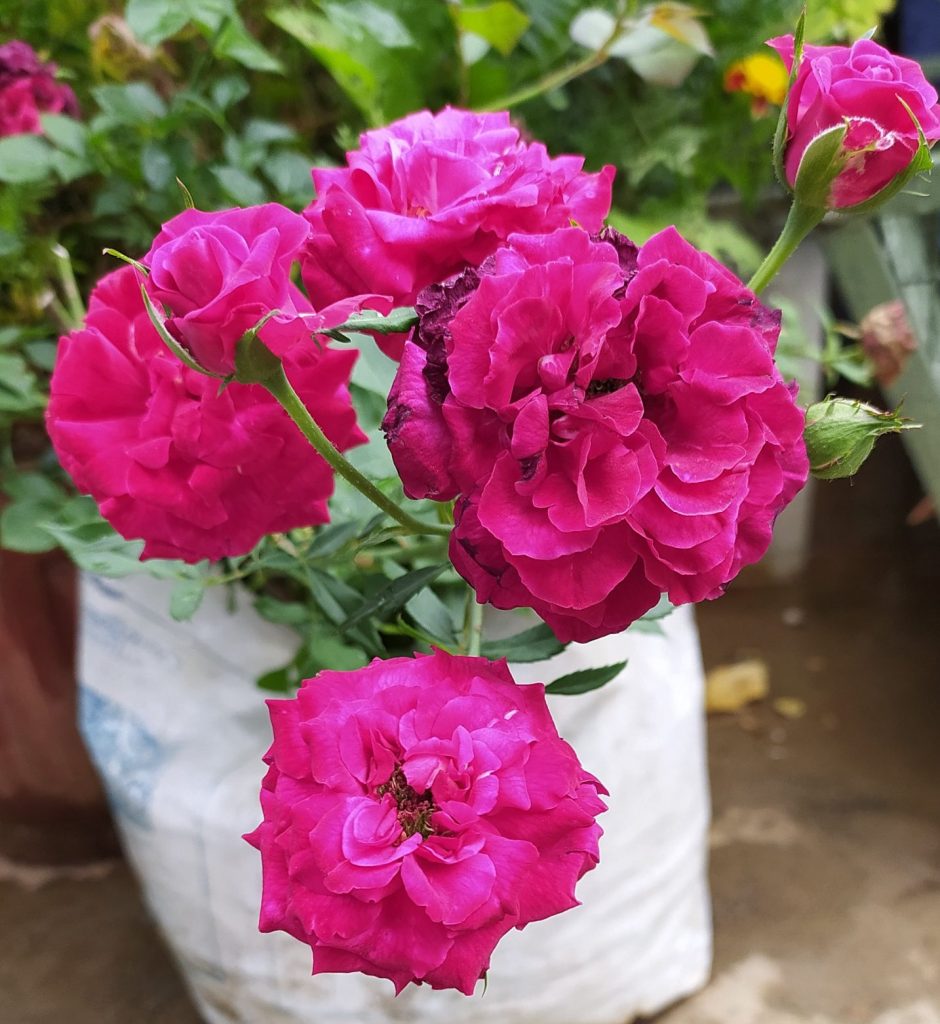
Indian Fragrant Rose is a scented rose with attractive flowers, evergreen leaves, and good ornamental value in warm climates. Rosa indica can grow as an upright shrub or develop longer spreading branches with support. Its stems are prickly, but the number and shape of the prickles vary from plant to plant.
Indian Rose Across Different Regions
Rosa indica has different names in various regions. In English, people commonly call it Indian rose or China rose.
| Country /Region | Name |
|---|---|
| Sanskrit | Shatapatrika, Atimanjula, Lakshapushpa |
| Hindi (India) | Gulab |
| Kannada (India) | Gulabihuvu, Roja |
| Tamil (India) | Pannirpushpam |
| Telugu (India) | Pannir roja, Gulaabi poovvu |
| Marathi (India) | Gulab |
| Malayalam (India) | Pannirpushpam |
| Italy | Rosa |
| Spanish | El rosal de Bengala, la rosa |
Botanical Features and Flowering
Compound leaves typically have three to seven leaflets attached to a central stalk. The leaflets are a deep green, glossy above and often paler beneath. Flowers grow singly or in small clusters and may be white, pink or red in cultivated plants. Double flowers are common, with many overlapping petals, but simpler types have fewer petals and exposed reproductive parts. Flowering can continue for long periods in good warm conditions, especially when plants receive plenty of sun and moisture.
Fragrance and Floral Biology
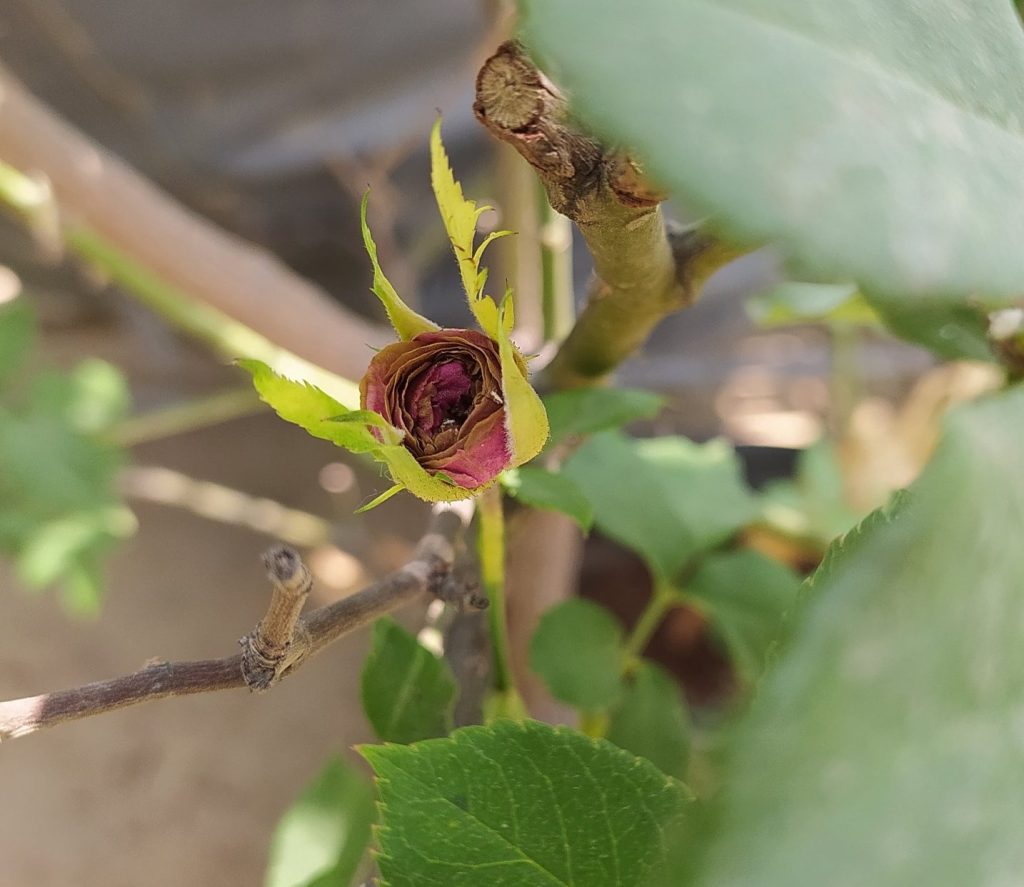
The flowers produce a unique smell from several naturally occurring volatile compounds. Rather than coming from one single fragrance chemical, a mixture of volatile compounds creates the characteristic rose scent. The plant’s genetics, environmental conditions, and stage of flowering can alter the balance of these compounds, which makes Rosa indica fragrance an interesting subject in floral biology.
Pollination and Reproduction
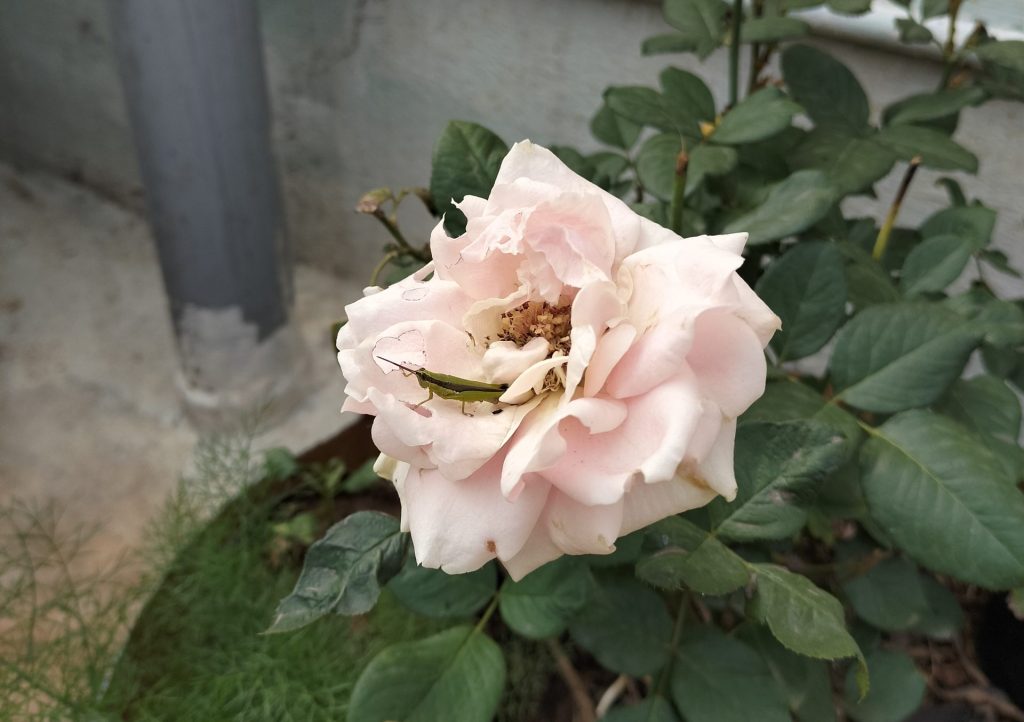
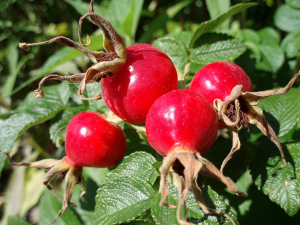
Depending on the flower structure and the local insect community, flowering insects may visit the blooms for pollen and nectar. Bees are among the important visitors associated with rose flowers, especially where accessible stamens provide ample pollen. Successful pollination produces the developing fruit, which is called a Rose hip. The hip contains many seeds. Depending on the plant, rose hips can ripen to red, orange, or reddish-orange. Birds and other animals eat ripe hips and may assist in seed dispersal.
Gardeners often propagate plants by cuttings, budding, or grafting, as these methods retain selected flower characteristics. Growing from seed produces genetically variable offspring, so the offspring may not produce the exact characteristics of the parent plant.
Cultivation and Conservation
Indian Fragrant Rose needs good drainage and fertile soil, because prolonged waterlogging can damage its roots. Normal sunlight encourages strong shoots, lush foliage, and abundant blossoms. Once established, the plant tolerates short periods of dryness. However, a long period of drought will affect its growth and production of blooms. In suitable climates, its evergreen foliage allows photosynthesis to continue for much of the year.
It faces the same problems as other roses, including aphids, mites, fungal diseases, and environmental stress. Poor air circulation and excessive leaf moisture can cause some fungal infections in cultivated plants. Good soil conditions, adequate spacing, sunlight, and watering help reduce problems in cultivation.
Expansion of agriculture or development is replacing the native vegetation and putting natural populations under pressure. Current botanical assessments do not indicate a high global risk of extinction for this species.
Cultural Significance, Art and Symbolism
Roses have a long-standing place in art, literature, poetry, celebrations, and traditional floral decoration. Their beauty and fragrance have made them widely associated with love, affection, beauty, remembrance, and devotion. In Indian culture, people commonly use roses in garlands, religious offerings, weddings, festivals, and decorative arrangements. Rose imagery has also appeared widely in paintings, textiles, gardens, and other forms of artistic expression.
The Indian Fragrant Rose is also an important symbol in many cultures around the world, although its meaning can change with its color and cultural setting. Red roses are commonly associated with love and passion, while white roses are often linked with purity, remembrance, or peace. These symbolic meanings are cultural traditions rather than botanical characteristics of the plant.
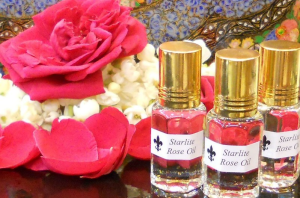
People have widely cultivated Rosa indica as an ornamental and for the production of perfumed flowers. People have also used the flowers for rose water, perfumes, and other floral materials.
Edible Parts of Indian Fragrant Rose
Rose petals are edible when they come from plants that have not been treated with pesticides or other chemicals unsuitable for consumption. People use them in some cuisines to make rose water, syrups, jams, desserts, teas, and other preparations. Rose hips are also edible, and people can use them in teas, jellies, syrups, and preserves after removing their irritating seeds and hairs.
Frequently Asked Questions
Yes, rose petals can be used in foods and drinks such as teas, desserts, syrups, and rose water when they are free from harmful chemical treatments.
Rose fragrance comes from a combination of naturally occurring volatile compounds, whose levels can vary with the plant, environment, and flowering stage.