How it is used in cooking
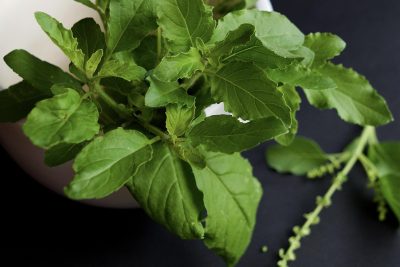
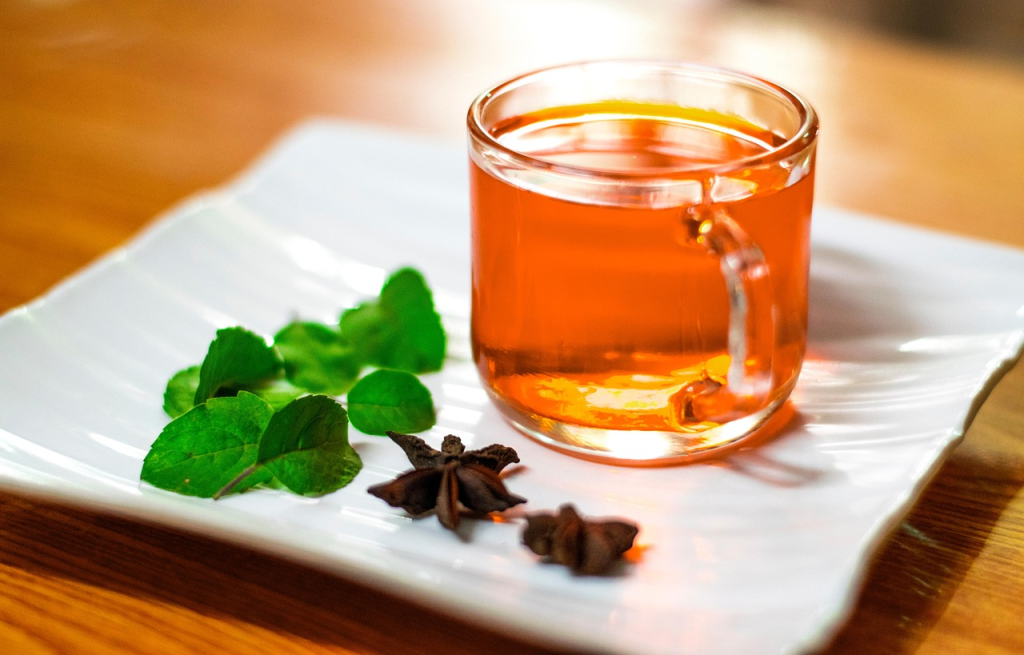
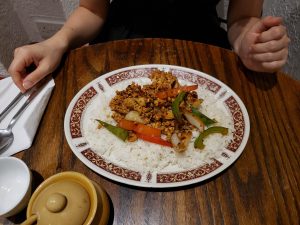
Holy basil (Ocimum tenuiflorum) is a versatile herb with an aromatic, slightly peppery and clove-like flavour. Cooks use its fresh leaves in soups, stir-fries, curries, salads, chutneys and sauces. In Southeast Asian cuisine, cooks commonly add holy basil to stir-fries with vegetables, chicken, beef or tofu. A well-known example is Pad Kra Pao, a Thai dish that combines holy basil with chillies, garlic and other ingredients.
Cooks also add holy basil to soups and coconut-based dishes, while chopped leaves bring an herbal note to salads, raita, chutneys and sauces. Adding the leaves towards the end of cooking, particularly in stir-fries, helps retain their characteristic aroma and flavour. People can also steep the leaves in hot water to prepare a fragrant herbal tea or add them to other beverages.
Holy Basil Tea
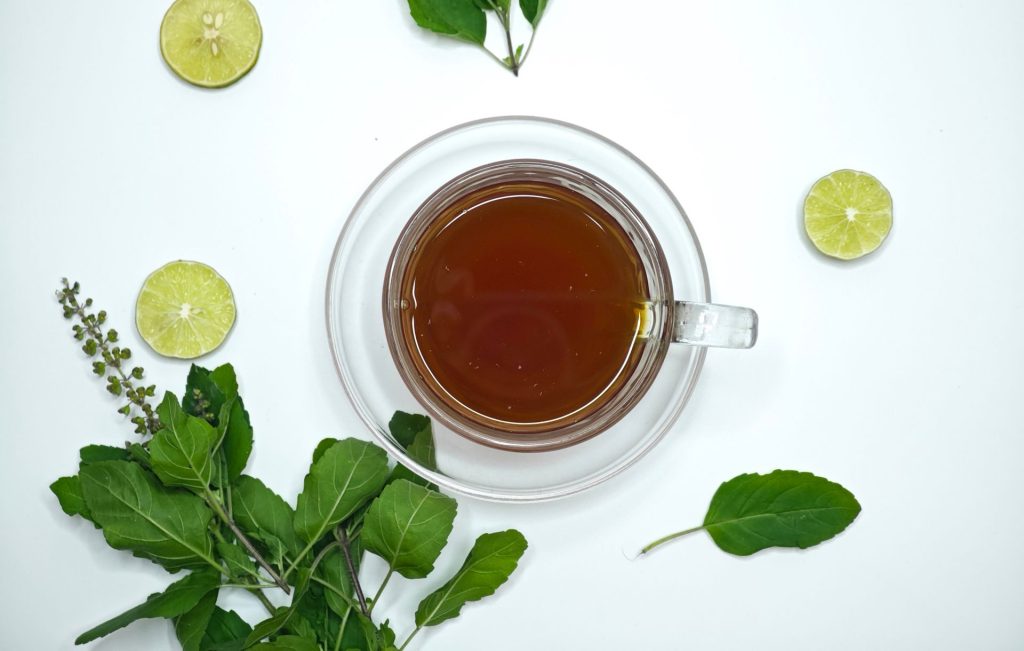
Holy basil leaves, commonly called tulsi, make a caffeine-free herbal infusion known as tulsi tea. It has a warm, aromatic flavour with peppery, clove-like, and slightly sweet notes. Different types of holy basil and additional ingredients can create a variety of tulsi tea blends.
Common varieties include Rama Tulsi, which has green leaves; Krishna Tulsi, which develops darker, purple-tinged leaves and a stronger flavour; and Vana Tulsi, which has a milder, aromatic character. People also blend tulsi with ingredients such as ginger, lemon, cinnamon, cardamom, and other herbs to create different flavours.
Tulsi tea has traditionally been consumed in Ayurveda and other Indian practices. It is commonly associated with relaxation, stress management, digestive comfort, and general well-being. Some studies have investigated holy basil for its potential antioxidant and other biological effects, but evidence for specific health benefits in humans remains limited. Therefore, tulsi tea is best regarded as a traditional herbal beverage rather than a treatment for medical conditions.
Read about the medicinal benefits and dangers of consuming Holy Basil.
Homemade Holy Basil Tea Recipe
Ingredients:
- 1 cup fresh tulsi leaves or 1 tbsp dried tulsi leaves
- 2 cups water
Optional Ingredients
- 1 inch crushed ginger
- 1 small stick of cinnamon
- 4-5 whole black peppercorns, lightly crushed
- 1-2 cardamom pods, lightly bruised
For additional flavour:
- 1 tsp honey
- Squeeze of fresh lemon juice
Recipe:
- Bring the water to a boil in a saucepan.
- Once the water is boiling, reduce the heat and add the tulsi leaves (fresh or dried) to the saucepan.
- If you choose to add spices to your tea, add any or all of the optional ingredients too.
- Let the leaves steep for roughly 5 minutes.
- Strain the tea into a cup and enjoy.
Note:
- Add a teaspoon of honey or a squeeze of fresh lemon juice for additional flavour.
- Steeping time for the leaves depends on how strong you take your tea. Steep for less time for a lighter taste, and vice versa for a stronger tea.
- This recipe works for both Krishna tulsi and rama tulsi variants. You can also mix the two variants together.
Holy Basil vs Thai Basil
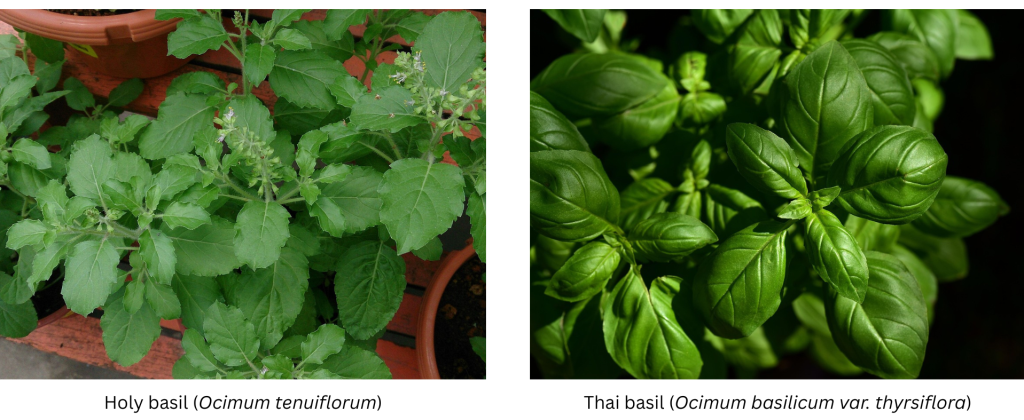
Holy basil (Ocimum tenuiflorum) and Thai basil (Ocimum basilicum var. thyrsiflora) belong to the same genus, but they differ in certain traits.
| Characteristic | Holy Basil | Thai Basil |
|---|---|---|
| Leaves Shape | Oval shape with serrated edges | lance-shaped leaves |
| Leaves texture | Slightly fuzzy | Smooth, glossy |
| Leaves colour | Green or purple-tinged leaves, depending on the variety | Green leaves and purple stems |
| Flavour | Bold, peppery flavour with clove-like and spicy notes | Sweeter flavour with distinct anise or liquorice notes |
| Growth habit | Bushy, upright herb with slightly hairy stems and foliage | Grows upright and branches readily, producing smoother stems and narrower leaves |
| Majorly used as | Medicinal herb | Cooking herb |
Both plants grow well in warm conditions and can be harvested regularly to encourage fresh growth.
The two herbs also have different cultural associations. People in India have traditionally valued holy basil, or tulsi, for its cultural and traditional importance, while Thai basil has a primarily culinary role in Southeast Asian cuisine. Although the two herbs look somewhat similar, their differences in leaf shape, texture, flavour and growth habit make them easy to distinguish.
Frequently Asked Questions
Holy basil or Tulsi is aromatic with a slightly peppery and clove-like flavour.
Holy basil is mostly used in Southeast Asian cooking. It can be added to soups, stir-fries, curries, salads, chutneys and sauces.
To prepare tulsi tea, steep fresh or dried holy basil leaves in hot water for several minutes. You can drink the tea plain or add honey, lemon, or spices according to your preference.
For a more detailed recipe, check the "Homemade Holy Basil Tea Recipe" above.