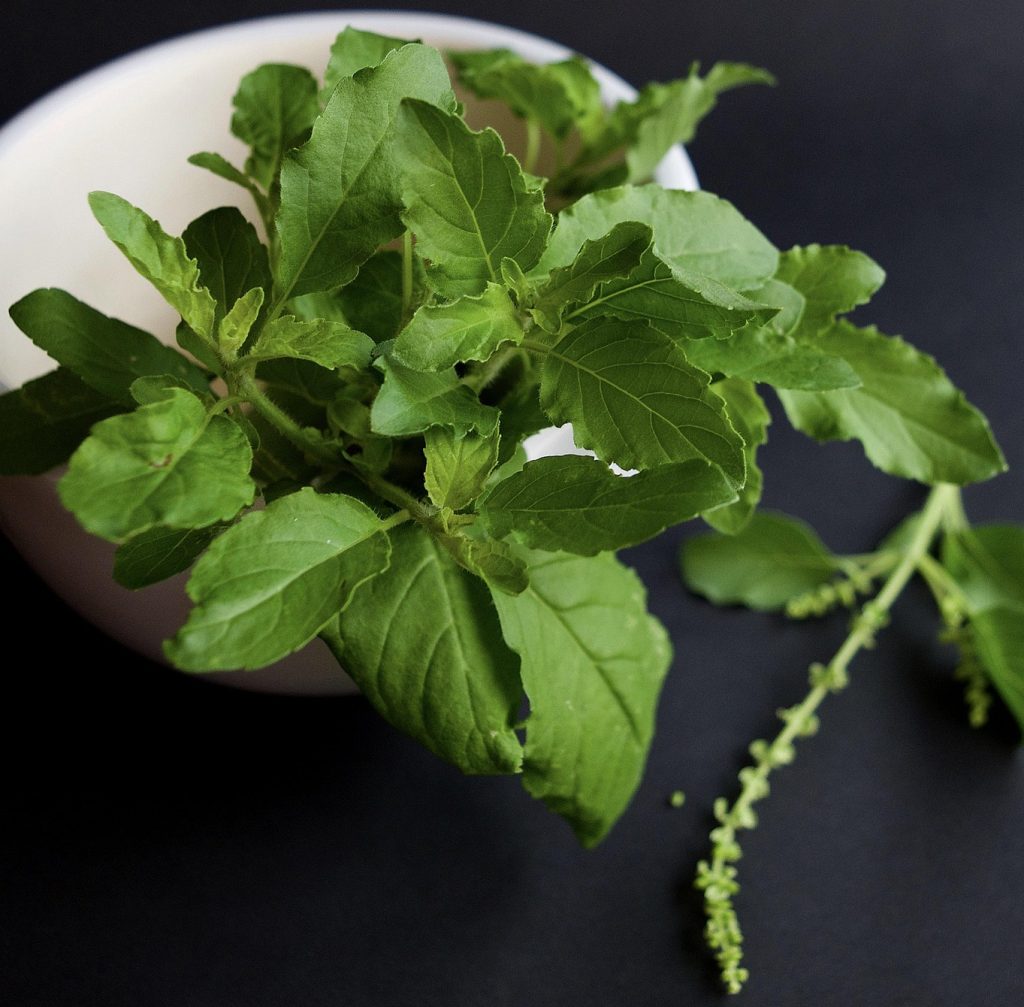
Holy basil has a long history of use in traditional South Asian medicine, particularly Ayurveda. Traditional practitioners have used the plant for various health-related purposes, while modern research has investigated its biological properties and potential therapeutic effects. However, evidence from human studies remains limited.
Holy Basil Health Benefits
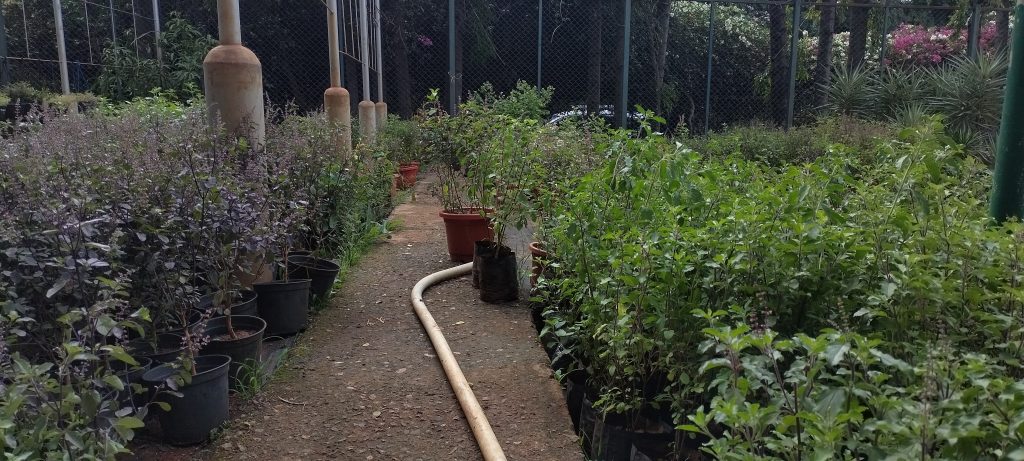
Holy basil has potential antioxidant, anti-inflammatory, and antimicrobial properties according to research studies. Human studies have also investigated its possible effects on stress, anxiety, sleep, blood sugar, and cholesterol. Some research suggests that holy basil may support stress management, while other studies have explored its potential role in wound healing and metabolic health. Traditional medicine has also used the plant for respiratory and digestive concerns. However, these findings do not establish holy basil as a treatment for any specific medical condition. Researchers need further well-designed clinical studies to determine its effectiveness and appropriate therapeutic use.
How Is Holy Basil Used in Medicine?
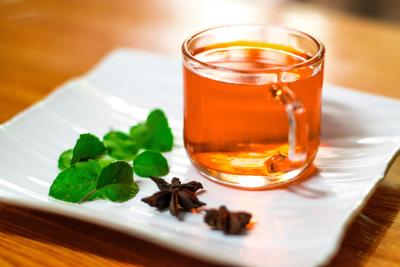
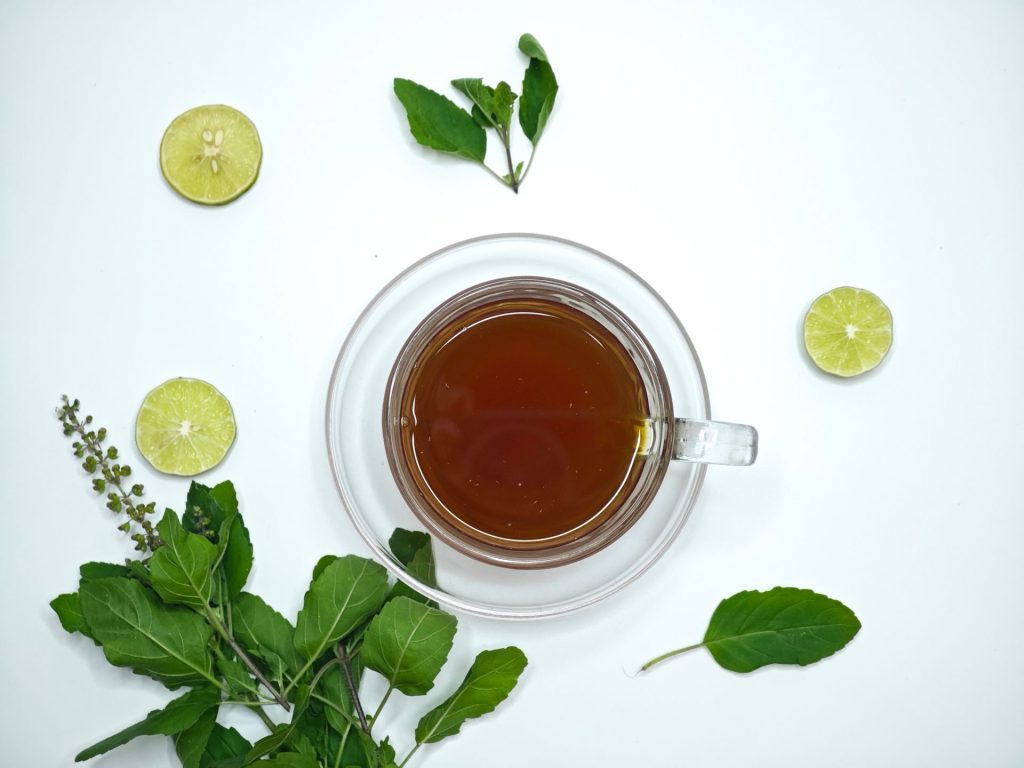
Ayurvedic and other traditional medicine systems use different parts of holy basil in various preparations. Practitioners commonly use the leaves to prepare teas, infusions, juices, and fresh or dried herbal preparations. Traditional uses include preparations for coughs, bronchitis, digestive complaints, fever, headaches, inflammation, and general well-being. Some practices also use other parts of the plant for specific purposes. Modern research has primarily examined extracts and other preparations to investigate the biological effects associated with these traditional uses. The form and amount used can vary considerably between traditional preparations and commercially available supplements.
Holy Basil Side Effects and Dangers
Short-term oral use of holy basil appears to be reasonably well tolerated, although researchers know less about its long-term safety. Some people may experience nausea, diarrhea, or other digestive discomfort. Holy basil may also lower blood sugar and slow blood clotting. These effects can become more significant when people use concentrated preparations or combine them with medicines that produce similar effects. Allergic reactions may also occur in sensitive individuals. Because herbal products can vary in strength and composition, people should follow recommended amounts and seek professional advice when using holy basil for medicinal purposes.
Who Should Consume Holy Basil?
Holy basil does not have an established recommended daily intake for general health. Healthy adults may consume its leaves as a culinary herb or drink them as a caffeine-free herbal tea. These traditional forms can be included as part of a varied diet. People interested in using holy basil specifically for its medicinal properties should first consider the purpose, preparation, and amount they intend to use. A healthcare professional can help determine whether it is appropriate, particularly when someone wants to use an extract or supplement rather than the plant as a food or beverage.
Who Should NOT Consume Holy Basil?
Certain people should avoid medicinal use of holy basil or seek medical advice before using it. Pregnant and breastfeeding people should avoid medicinal preparations because safety information remains insufficient. People trying to conceive should also exercise caution because of possible effects on fertility. Those with hypothyroidism should consult a healthcare professional because holy basil may affect thyroid hormone levels. People taking diabetes medicines or anticoagulant and antiplatelet drugs should seek advice because holy basil may increase the effects of their medicines. People preparing for surgery should avoid medicinal use because of its potential effect on blood clotting. Anyone with a known allergy or sensitivity to holy basil should avoid it.
Frequently Asked Questions
Different parts of the holy basil can be used to prepare teas, infusions, juices, and fresh or dried herbal preparations. These can be used to treat respiratory issues, digestive complaints, fever, headaches, inflammation, and general well-being.
Some of the side effects of consuming holy basil are nausea, diarrhea or other digestive discomfort. It may also lower blood sugar and slow blood clotting. Some people may experience allergies.
Pregnant and breastfeeding people and those with a known allergy to Holy Basil should try to avoid holy basil due to the lack of scientific studies to support it's "safe for consumption" tag. People with diabetes, hypothyroidism or those on blood thinning medicines should consult with a medical professional.