
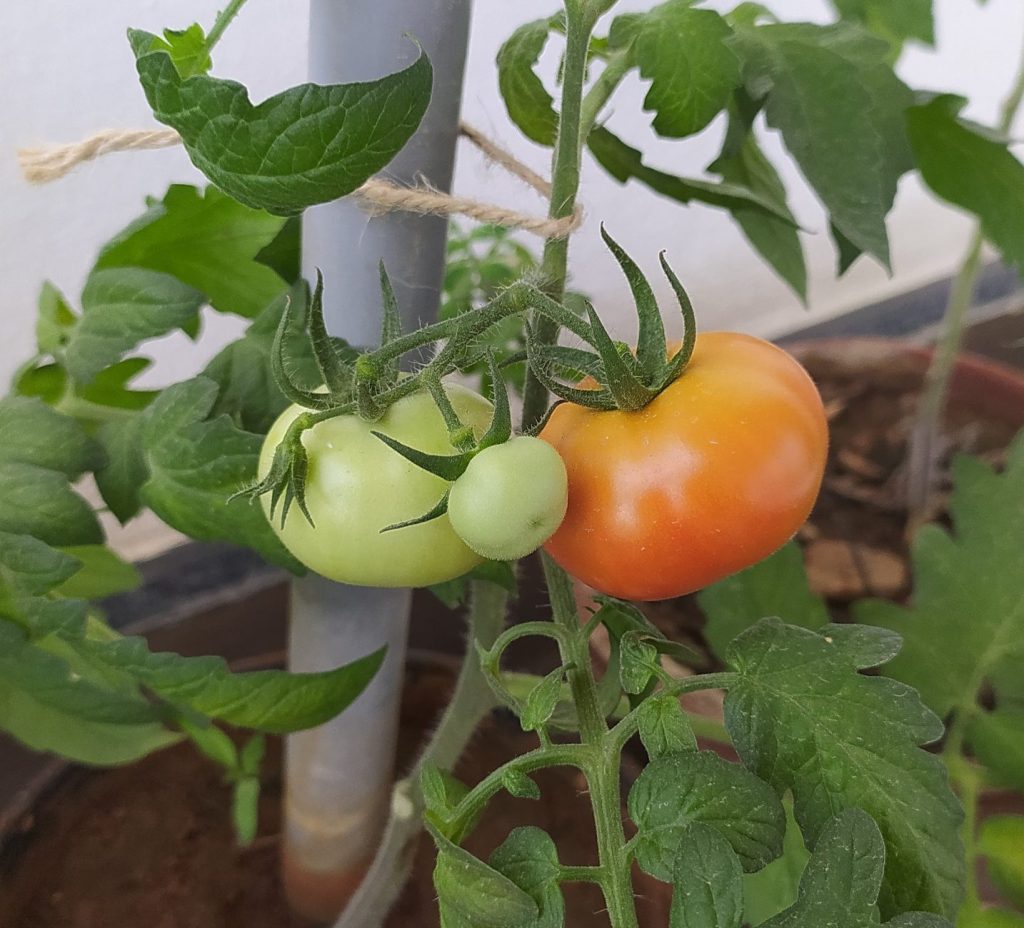
The Colorful Diversity of Tomatoes
Tomato (Solanum lycopersicum) is a member of the nightshade family (Solanaceae). It is a bushy plant with hairy stems, divided leaves, and small yellow flowers. Some plants grow upright while others sprawl along the ground, depending on the variety and growing conditions. When supported, some varieties will grow to about two meters. The flowers become fleshy berries containing many seeds in juicy tissue. After centuries of selective cultivation, tomatoes can ripen in red, yellow, orange, pink, purple, green, or striped colors.
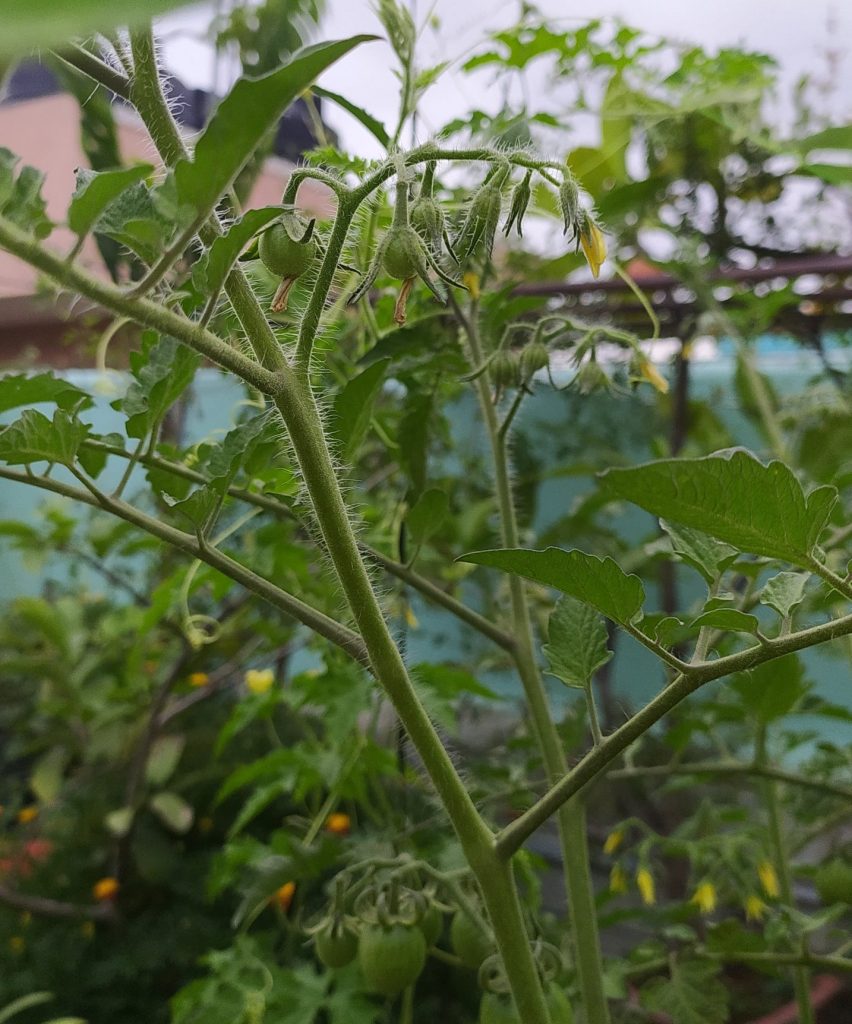
Tomato’s Journey From Mesoamerica
Its wild ancestry is in western South America, but its primary domestication was in Mexico. Indigenous communities cultivated different types of tomato well before European contact, especially in Mesoamerica.
During the sixteenth century, Spanish colonial networks carried tomatoes from Mesoamerica into Spanish territories and eventually to Europe. Although historians do not know exactly how tomatoes reached Europe, records show that they were growing in Italy by the 1540s. Pietro Andrea Matthioli published one of the earliest European descriptions of the tomato in 1544.
Tomato Growth and Pollination
Tomatoes prefer warm conditions, lots of sunshine, and rich, well-drained soil. Gardeners usually propagate tomatoes from seeds and transplant the seedlings after they develop. Many types can self-pollinate because the flowers contain both male and female reproductive organs. But other insects can still help move the pollen around, especially by vibrating the flowers. Successful pollination leads to fruit set, and the rate of ripening is highly temperature-dependent.
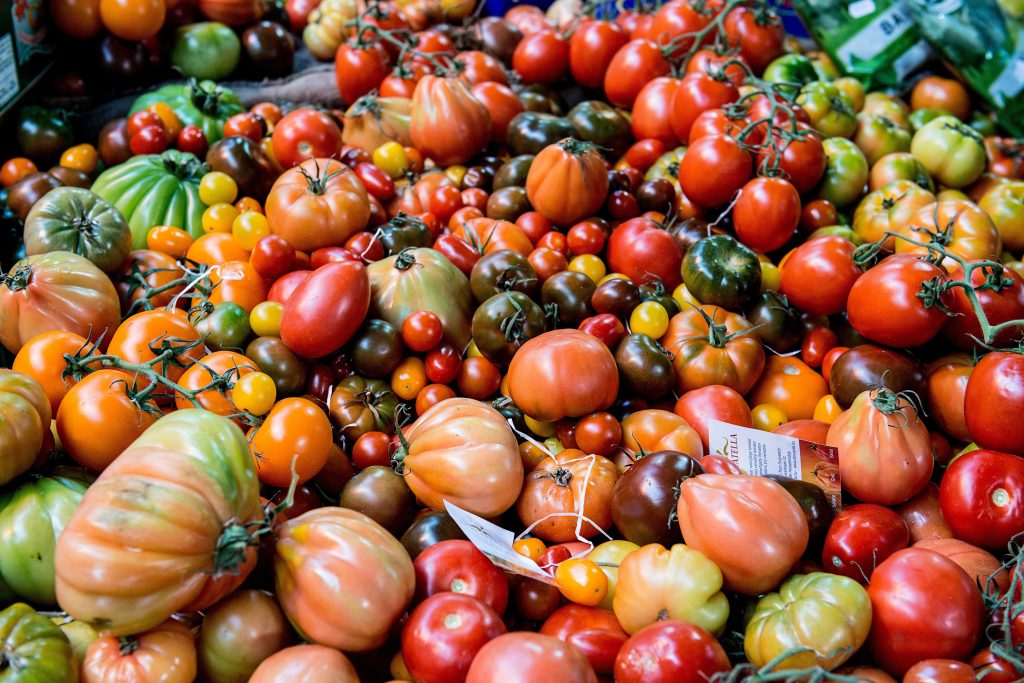
The Evolution of Cultivated Tomatoes
Surviving specimens and illustrations from the sixteenth century show that early European tomatoes were already available in a variety of shapes, sizes, and colors, unlike the large red varieties commonly grown today. Cultivation spread slowly from Italian gardens to other European countries, then to Africa, Asia, and other parts of the world.
Tomatoes Around the World
Today, people grow tomatoes in open fields, home gardens, greenhouses, and containers across many climates. Their movement from Indigenous American agriculture into European gardens and eventually across the world represents a major example of how the Columbian Exchange transformed global food cultivation.
Cultural Significance and Pop Culture
Tomatoes have become part of festivals, public events, and popular culture around the world. The Spanish town of Buñol hosts La Tomatina, an annual festival centered on a large-scale tomato fight.
Tomatoes also appear as cultural and political symbols. People have thrown tomatoes during public protests, and the Dutch Socialist Party adopted a tomato as its logo.
In the United States, some states have officially recognized the tomato as a state fruit or vegetable. Arkansas notably recognizes the South Arkansas Vine Ripe Pink Tomato as both its state fruit and state vegetable. Ohio designated the tomato as its official state fruit in 2009.
The tomato has also entered popular media through Rotten Tomatoes, the well-known film and television review-aggregation website. The name draws on the tradition of throwing tomatoes at poor performances, although the site’s founder has also linked the name to a scene in the 1992 film Léolo.

Tomato: A Fruit or a Vegetable?
Botanically, scientists classify the tomato as a fruit, specifically a berry. It develops from the ovary of a flowering plant and contains seeds. Tomatoes share this botanical classification with foods such as cucumbers, peppers, and eggplants. In cooking, however, people generally treat tomatoes as vegetables because they use them mainly in savory dishes.
The difference even became a legal issue in the United States. In 1887, tariffs placed duties on vegetables but not fruits, creating a dispute over how officials should classify tomatoes. In Nix v. Hedden, the U.S. Supreme Court ruled on May 10, 1893, that the tomato counted as a vegetable for tariff purposes because people commonly served it with meals rather than as dessert.
Frequently Asked Questions
Tomatoes can ripen in many colors, including red, yellow, orange, pink, purple, green, and striped forms. Centuries of cultivation have produced extensive variation in fruit color, size, and shape.
Tomatoes are usually propagated from seeds. Growers generally raise seedlings first and transplant them after they develop sufficiently.
Botanically, a tomato is a fruit, specifically a berry. In culinary use, people generally treat it as a vegetable. The U.S. Supreme Court also classified it as a vegetable for the specific purpose of the 1883 tariff law in Nix v. Hedden.