Lalbagh Flower Show 2026
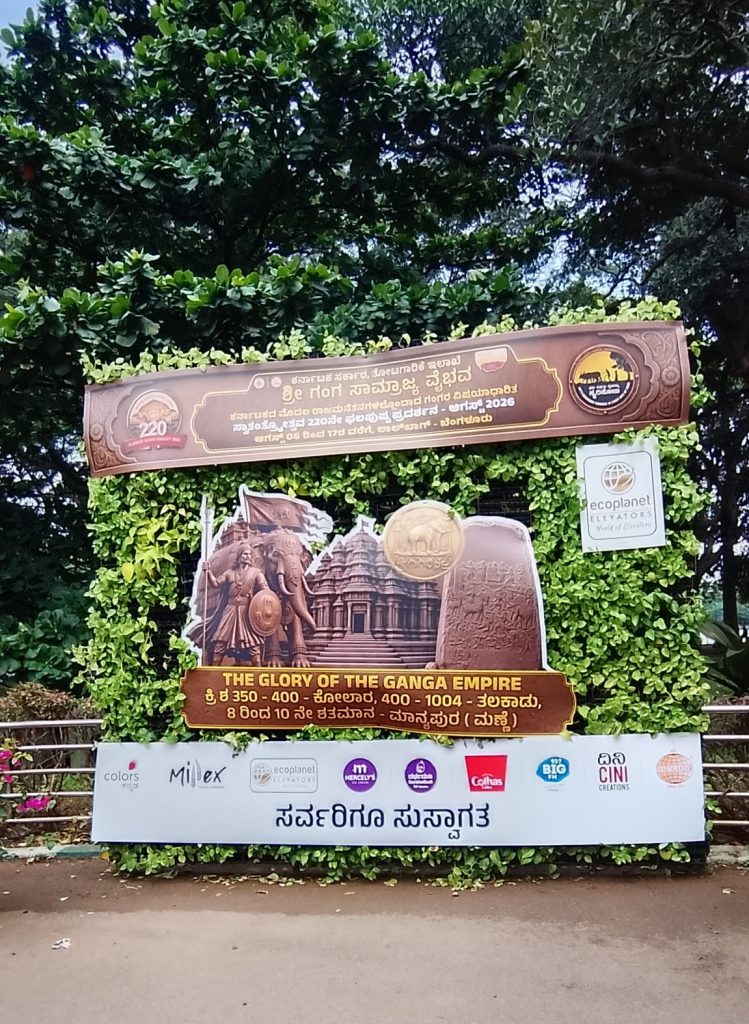
The 2026 Lalbagh Flower Show in Bengaluru celebrates the rich history and cultural legacy of the Western Ganga dynasty through the theme “The Glory of the Ganga Empire.” The 220th edition was held at the Glass House, Lalbagh Botanical Garden, Bengaluru, from August 6 to 17, 2026, as part of the city’s Independence Day celebrations. The Western Gangas ruled parts of present-day Karnataka for nearly six centuries, from around the 4th to the 10th century CE. They strongly supported Kannada literature, education, architecture, and Jainism.
Legacy of the Western Gangas
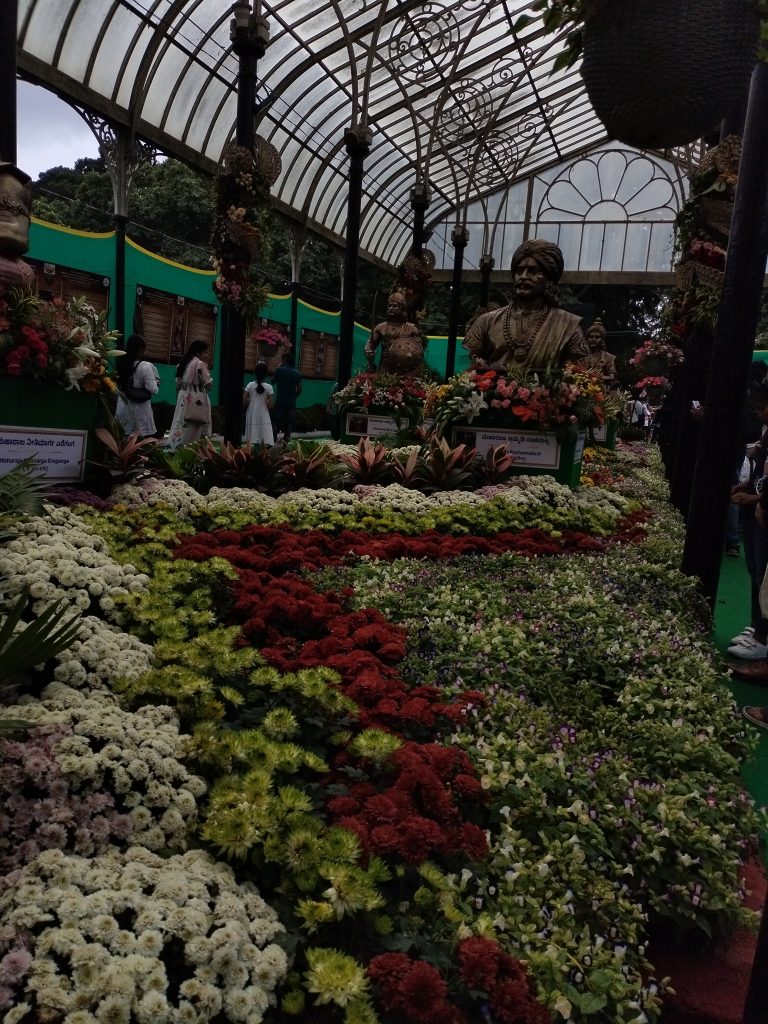
The flower show combined horticulture, art, and history to present the legacy of the Western Gangas. The floral monuments and themed installations highlight their contributions to architecture, warfare, literature, religion, and education. The exhibits feature the Begur temple, elephant army, Bahubali, Talakadu temples, and Ganga-era rulers. Together, they offer visitors a glimpse into Karnataka’s rich past. By recreating these historical landmarks and figures through flowers and foliage, the Glass House becomes more than a flower exhibition. It becomes a vibrant tribute to the enduring legacy of the Ganga Empire.
Floral Replica of Begur Temple
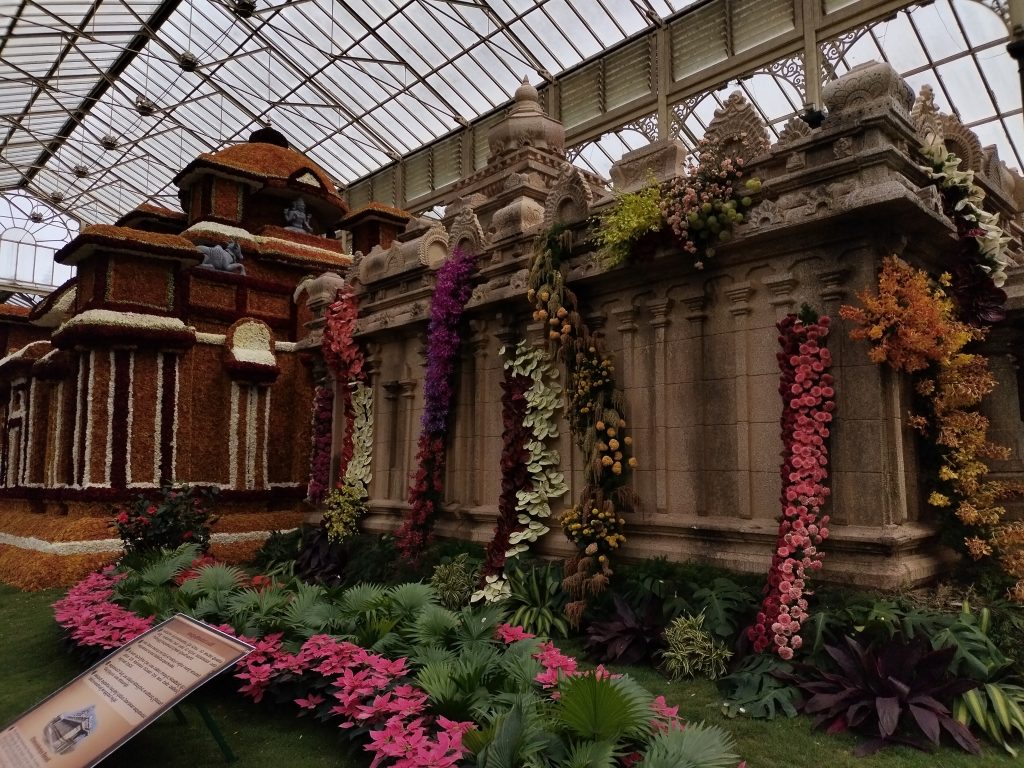
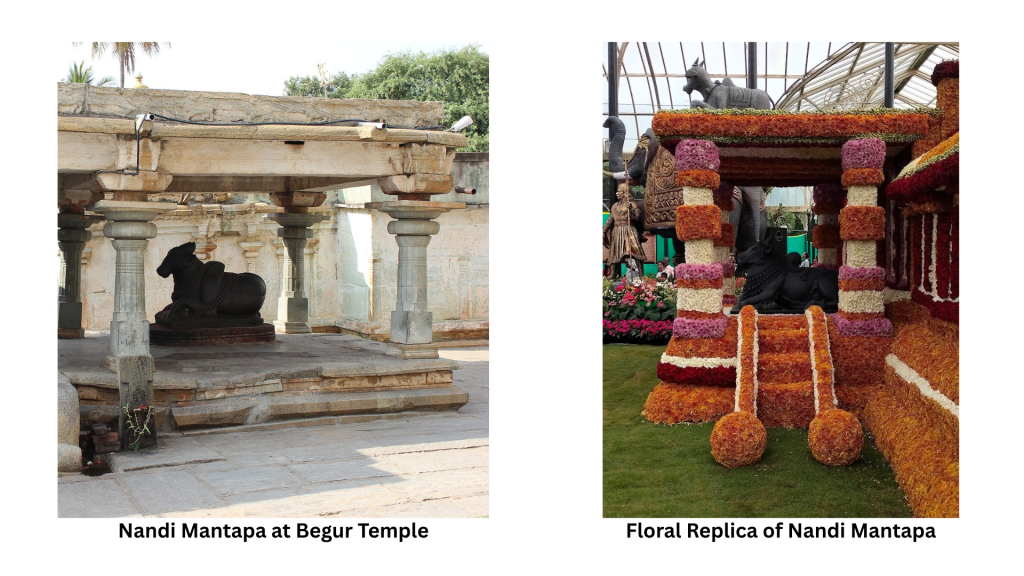
The exhibition’s centerpiece is a 50-foot-long, 24-foot-wide, and 26-foot-high floral replica of the historic Begur Panchalingeshwara, or Naganatheshwara, Temple Complex. The original temple stands in Begur, south Bengaluru, and has strong connections to the Ganga period. Each installation used more than 3.05 lakh chrysanthemums and roses. As workers replaced the flowers during the exhibition, the show would have used more than 6.1 lakh flowers. Around 25,000 ornamental foliage plants surrounded the structure. Approximately 20,000 floral foam blocks and 900 kg of wire mesh formed its framework.
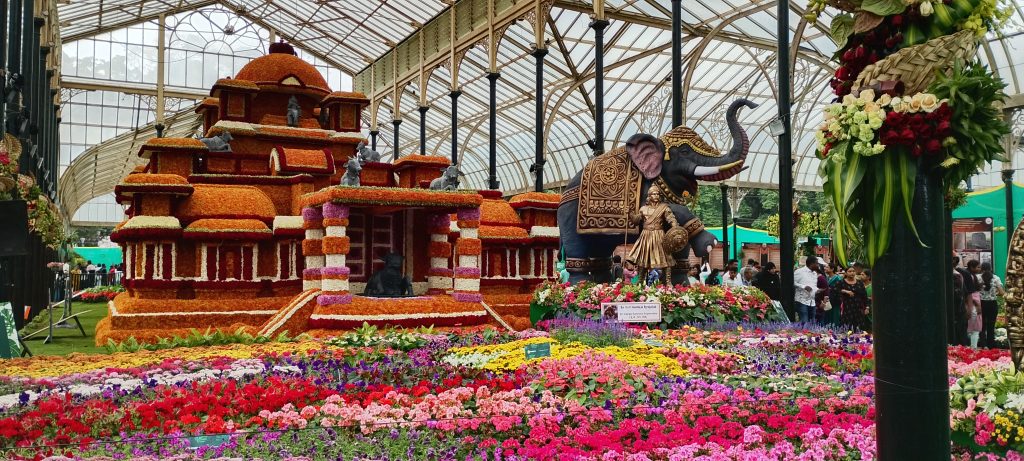
The original Begur temple holds historical significance for its inscription dating to around 890–900 CE. The inscription contains the earliest known written reference to the name “Bengaluru.” At the Glass House, visitors could also see replicas of Ganga-era temple gateways and intricately carved architectural elements. These displays extended the historical theme beyond the main floral structure.
Gajasena and Ganga-Era Warfare
Among the major exhibits was the Gajasena, or elephant army of the Ganga kings, accompanied by an elephant battle scene. The display highlights the role of elephants in Ganga-era warfare. King Shivamara II’s association with Gajashtaka, a Kannada work on elephants and elephant warfare, further reflects this aspect of the dynasty.
Bahubali and Jain Heritage
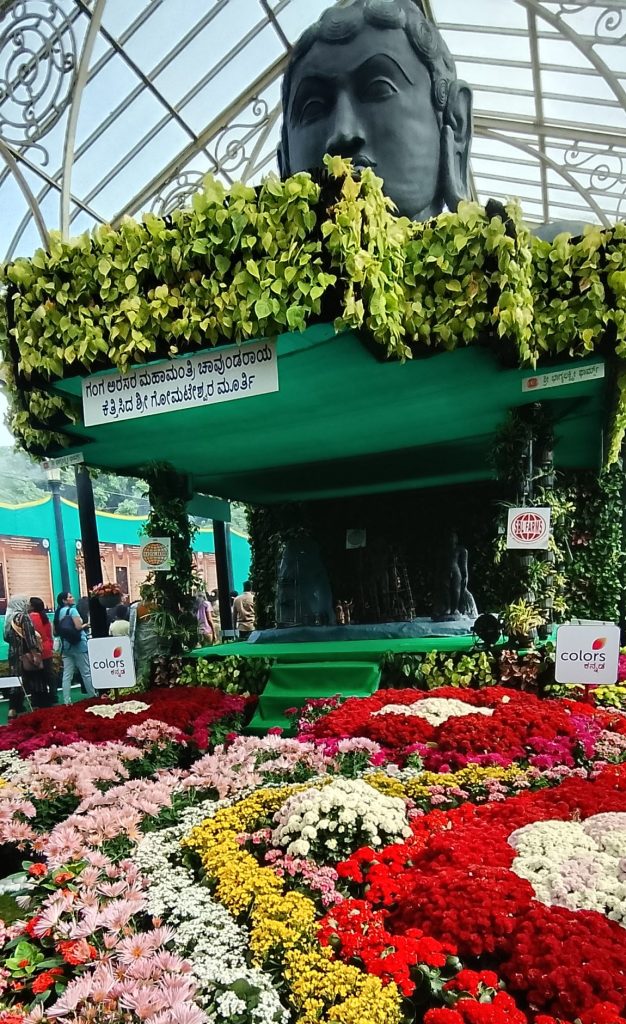
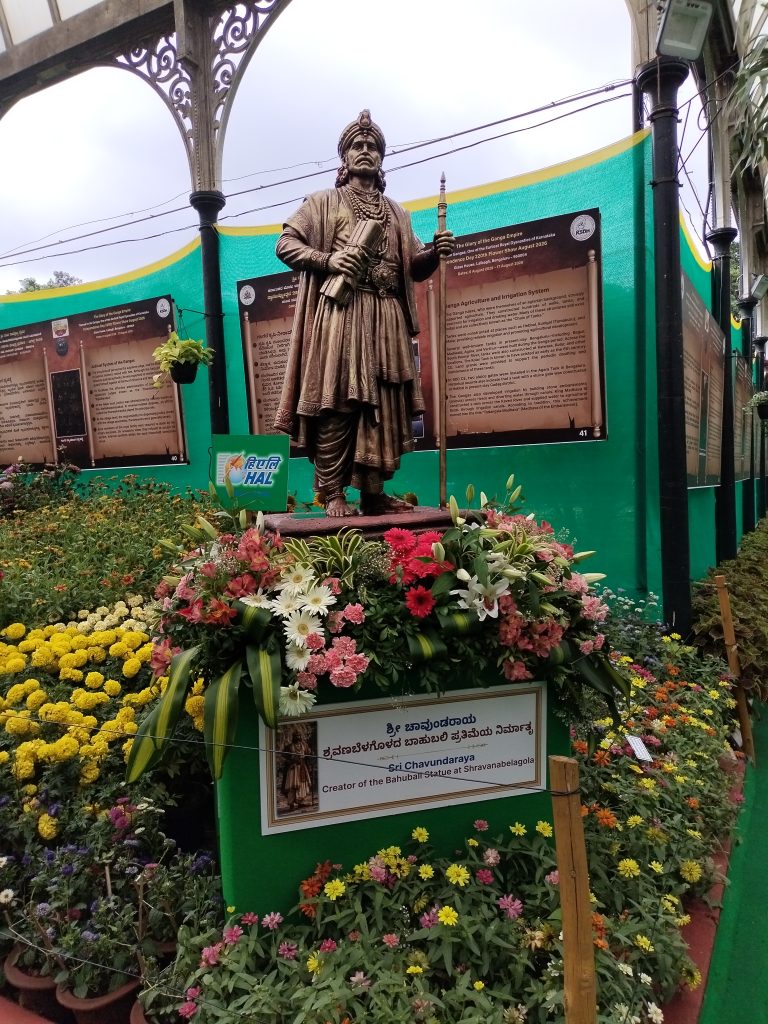
The exhibition also features a floral representation of Bahubali from Shravanabelagola. Chavundaraya, a Ganga minister and general, commissioned the original 57-foot monolithic statue in 981 CE. The display reflects the dynasty’s association with Jainism and monumental sculpture.
Talakadu Temples and Other Displays
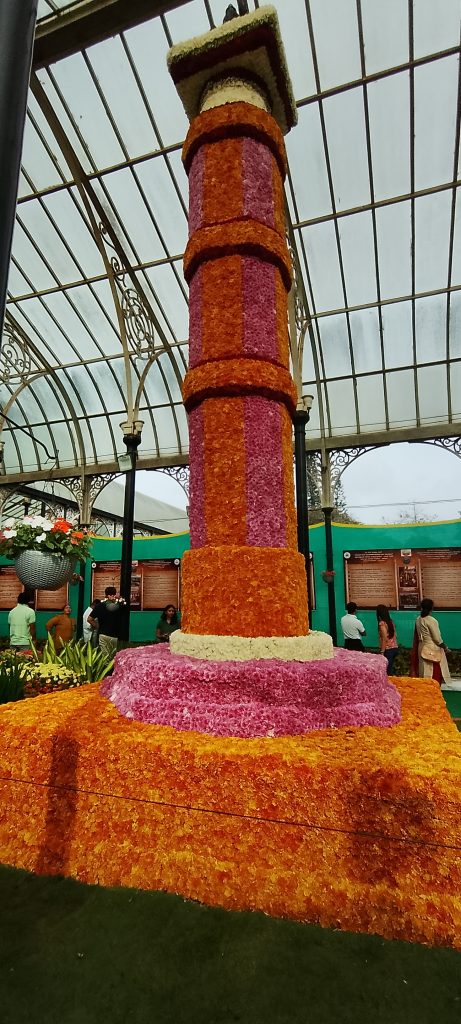
Another major installation is a replica of the historic temples of Talakadu, the former Ganga capital on the banks of the Kaveri. Smaller displays include Ganga-era rulers and warriors, the Bengaluru inscription, a Manastambha, and an artificial waterfall. These exhibits add variety while reinforcing the historical theme.