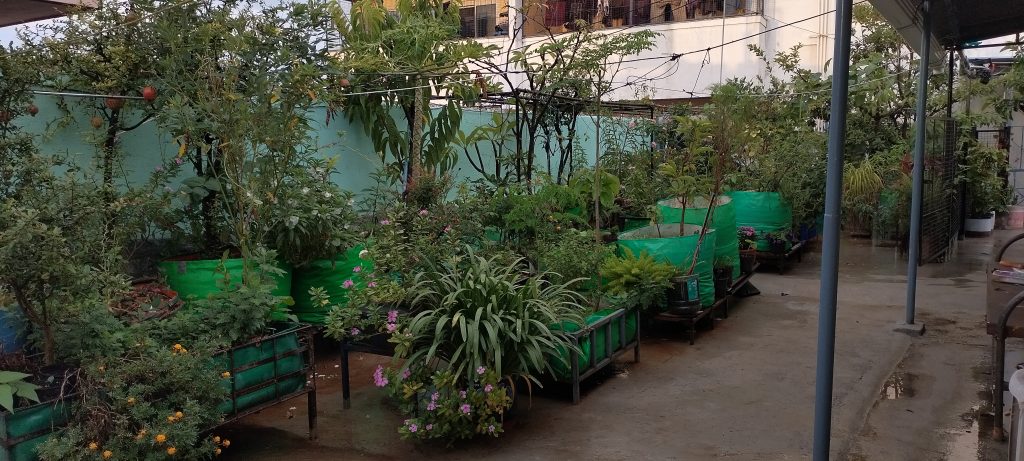
A rooftop garden is a great way to turn an unused roof into a green and welcoming outdoor space. With the right planning, even a small rooftop can support flowers, herbs, vegetables, and suitable ornamental plants. Beyond making an otherwise bare space more attractive, rooftop gardens can provide an area for growing food, relaxing, and connecting with nature. Vegetated roofs can also help manage rainwater, provide habitat for urban wildlife, and reduce heat around buildings.
Benefits of a Rooftop Garden
A rooftop garden can turn unused roof space into a useful green area while bringing several benefits to your home and surroundings. Plants provide shade and help reduce heat absorbed by exposed roof surfaces, making the space more comfortable in hot weather. Green roofs can also reduce heat around buildings and may lower cooling needs in some cases.
Rooftop plants can help manage rainwater by holding some rainfall in the growing medium and releasing it slowly, reducing runoff during heavy rain.
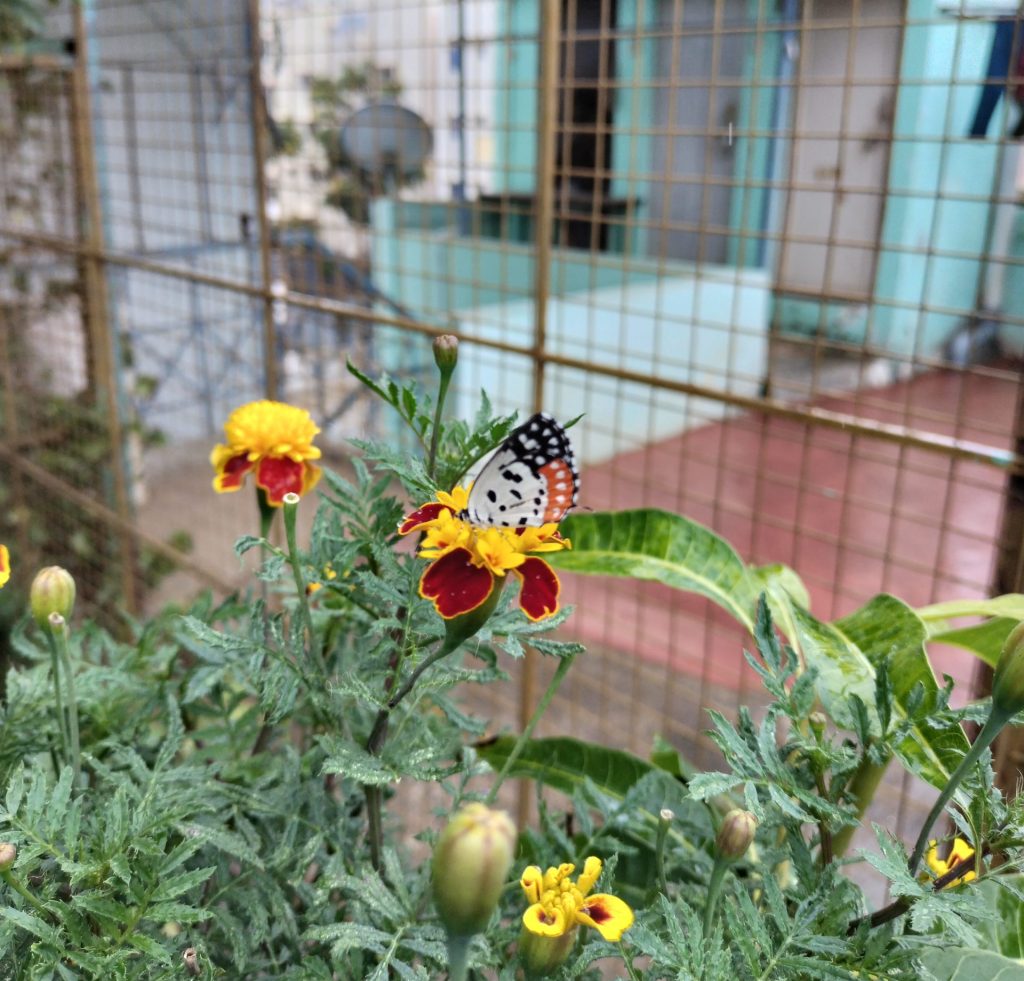
A rooftop garden also supports urban biodiversity. Flowering plants attract bees, butterflies, and other pollinators. A well-planned garden can offer food and shelter for small urban wildlife. Growing herbs, vegetables, and fruits also allows you to produce fresh food at home.
Beyond these practical benefits, a green rooftop creates a quiet outdoor space to sit, relax, and enjoy nature in the comfort of your home.
The Roof: Safety, Structure, Waterproofing and Drainage
Before bringing in plants or planters, make sure the roof is suitable for gardening. A structural assessment is important because the weight of containers, growing medium, plants, water, furniture and other additions can be substantial. Wet growing media weighs considerably more than dry material, so assess the roof’s load-bearing capacity before installing large planters, raised beds or permanent structures.
Waterproofing and drainage are equally important. Ensure the roof has a sound waterproofing system before installing the garden, and keep drainage outlets clear so they can carry away excess rain and irrigation water. A properly designed roof-garden system may include waterproofing, a protective layer, drainage, a filter or geotextile layer, and growing medium. Good drainage prevents water from pooling on the roof while also protecting plants from prolonged waterlogging.
Lightweight Growing Medium
Avoid treating a rooftop garden like a conventional ground-level garden and simply filling containers with heavy garden soil. Growing media should provide adequate support, drainage, aeration, and moisture retention without adding unnecessary weight. Lightweight materials can help reduce the overall load while providing suitable conditions for plant roots. Components such as coco peat, vermicompost, and similar materials reduce the weight of rooftop growing media. Select the growing medium according to the plants you plan to grow, the local climate, and the roof’s drainage conditions.
The Right Containers and Planters
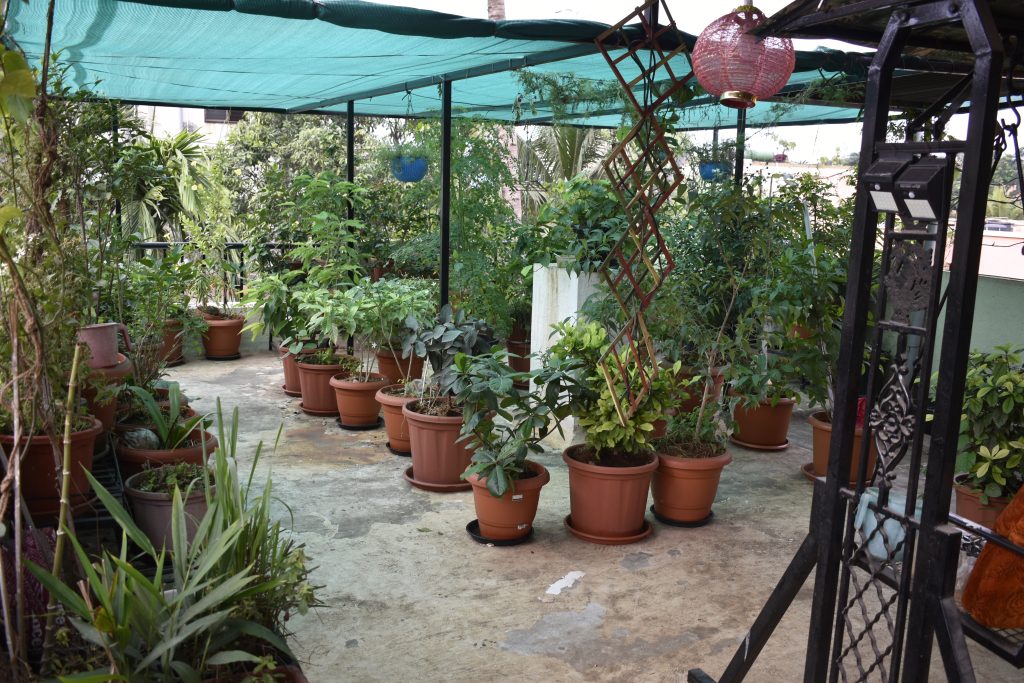
Lightweight containers and raised planters are practical choices for rooftop gardens because they are easier to arrange and move when needed. Container size should correspond to the plant: shallow-rooted herbs and leafy vegetables can grow in relatively shallow containers, while plants with deeper or more extensive root systems require greater depth.
Always provide adequate drainage holes and make sure they cannot become blocked. Place large, heavy containers only in areas suitable for their load, and avoid overcrowding pots in one location. Containers also make it easier to rearrange plants according to changing sunlight, wind, and seasonal conditions.
Plants for Rooftop Conditions
Rooftops are exposed environments, so plant selection should go beyond appearance. Choose plants according to available sunlight, wind exposure, temperature, space, water availability, and the depth and type of growing medium. Plants that tolerate heat, dry conditions, and wind generally perform better on exposed rooftops, while you may need to protect delicate varieties.
Herbs
Herbs are well suited to container gardening and can provide fresh leaves for everyday cooking. Some options to consider are:
- Mint
- Basil
- Coriander
- Rosemary
- Thyme
- Oregano
- Lemongrass
Choose herbs according to their sunlight and watering needs, and grow spreading herbs such as mint in separate containers to prevent them from taking over other plants.
Vegetables and Fruits
Many vegetables can grow successfully in containers when they receive enough sunlight and have sufficient space for their roots. Here are some suitable choices:
- Tomatoes
- Chillies
- Peppers
- Beans
- Lettuce
- Radishes
- Spinach
- Brinjal (eggplant)
Compact or dwarf varieties work particularly well on rooftops, while climbing vegetables such as beans can make use of vertical space with a sturdy trellis.
Flowering Plants
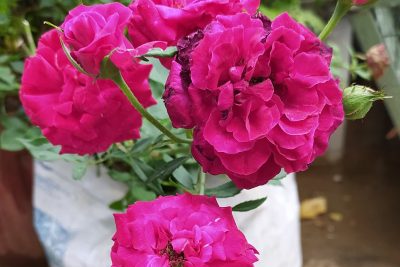
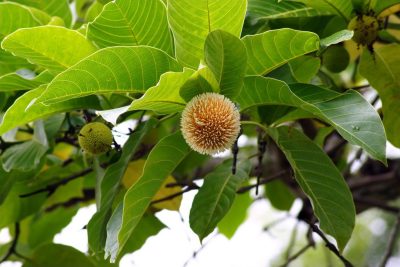
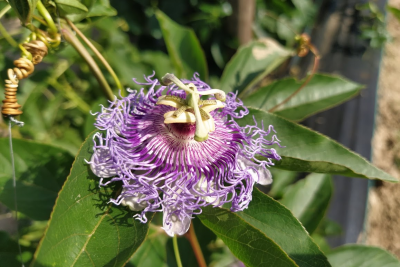
Flowering plants can add colour to a rooftop garden and attract bees, butterflies, and other pollinators.
Some beautiful options to consider are:
Choose varieties that can tolerate the available sunlight, heat, and wind, and group plants with similar watering needs together.
Ornamental Plants
Hardy ornamental plants can add foliage, height, and structure to the garden without requiring as much space as many large landscape plants. Depending on the climate and growing conditions, you can choose to grow:
- Aloe vera
- Jade plant
- Snake plant
- Ornamental grasses
- Dwarf palms
- Crotons
Use taller plants carefully in exposed areas, as strong winds can make large or top-heavy containers unstable.
Manage Sun, Heat and Wind
A rooftop can receive more intense sunlight and reflected heat than a garden at ground level. Wind can also dry out containers quickly and damage tall, weak-stemmed plants. Group plants according to their light requirements and use trellises, screens, pergolas or shade structures where necessary.
Tall plants and climbers should be positioned carefully so they do not become unstable in strong winds. Place more exposed areas of the roof aside for hardy plants, while using sheltered corners for plants that are less tolerant of heat or wind.
Watering and Irrigation
Regular watering is important because containers can dry out faster than garden beds, particularly during hot weather. Check the moisture level of the growing medium rather than following a rigid watering schedule, as requirements change with temperature, rainfall, plant size and season.
A simple drip irrigation system can make watering easier and more consistent, particularly when several plants need regular care. Hose, sprinkler and automated irrigation systems can also be used where appropriate. Avoid overwatering and make sure excess water can drain freely.
Adding a suitable mulch layer can help reduce moisture loss from the growing medium and protect the root zone from rapid temperature changes.
Cost of Starting and Maintaining a Rooftop Garden
The cost depends mainly on its size and the type and number of plants you choose. For a basic setup, you may need to spend on containers or planters, potting mix, plants or seeds, and a watering can or hose.
For a small rooftop garden, you can start with around US$20–US$55 for a few containers, potting mix, plants, and basic watering supplies. Regular maintenance is usually inexpensive, with costs for water, new seeds or plants, potting mix, compost, and occasional replacement of damaged containers. Starting small can help keep the initial cost low while allowing you to expand the garden gradually.
Make the Most of a Small Rooftop
A small rooftop does not need to be crowded with pots to be productive. Use vertical space through trellises and suitable vertical-gardening structures, and consider compact or dwarf varieties of vegetables. Arrange plants in groups according to their water and sunlight needs rather than spreading them randomly across the roof.
Leave clear pathways between planting areas and keep access points, drains, water tanks and other roof utilities unobstructed. A well-planned layout makes routine gardening easier and prevents the space from becoming difficult to maintain.
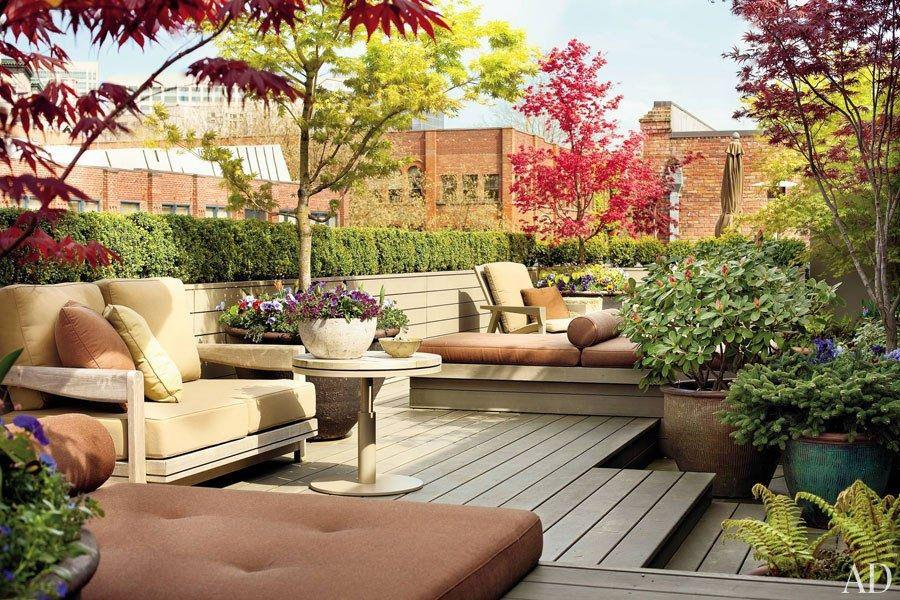
Comfortable seating, pathways, trellises and a few decorative elements can make the rooftop more useful without overcrowding it. If the roof receives strong sunlight, a pergola or other shade structure can create a more comfortable area for relaxing.

Rooftop Garden Care and Maintenance
Rooftop gardens need regular attention. Prune plants when necessary, remove dry leaves and spent flowers, check plants for pests and diseases, and monitor them for signs of heat or water stress. Keep drainage outlets and surrounding areas clear of leaves, soil, and other debris.
Inspect containers occasionally for cracks or damage and replace tired or poorly performing plants when necessary. Keep pots sufficiently spaced to encourage air circulation and make routine watering, pruning and harvesting easier.
With suitable plants, lightweight containers, good drainage, regular care and a practical layout, an unused rooftop can become a productive and pleasant green space. The key is to treat the roof as both a garden and a building surface: protect its structure first, then create the right growing conditions for plants to thrive.
Frequently Asked Questions
Choose lightweight containers or planters and fill them with a good potting mix. Pick plants that suit the sunlight, heat, and wind and arrange them with enough space. Water and prune them regularly.
You can grow plants in containers and planters filled with a lightweight, well-draining potting mix suited to the plants you choose.
You can grow herbs such as mint, basil, coriander, and rosemary, along with vegetables such as tomatoes, chillies, beans, lettuce, and radishes. Flowers and hardy ornamental plants that tolerate heat, sunlight, and wind are also good choices.