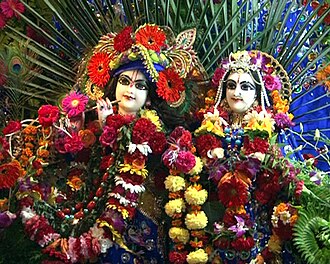
Krishna Janmashtami is the annual Hindu festival that celebrates the birth of Lord Krishna, the 8th incarnation of Lord Vishnu. People also refer to this festival as Krishnashtami, Gokulashtami, or simply Janmashtami. Devotees celebrate Krishna’s birth on the eighth day (Ashtami) of the dark fortnight (Krishna Paksha) in Shravana Masa or Bhadrapada Masa. This usually falls sometime between August and September.
On this day, devotees observe a fast, decorate their homes, pray together, sing bhajans, and prepare special food. They also visit Vishnu or Krishna temples. Mathura and Vrindavan, the 2 cities associated with Krishna, are at the forefront of the celebrations. However, people celebrate Janmashtami with equal enthusiasm across India and in Krishna-devoted communities around the world.
In the days leading up to the festival, communities organise recitations of the Bhagavad Gita and dance-dramas called Rasa lila or Krishna lila.
Janmashtami Decorations
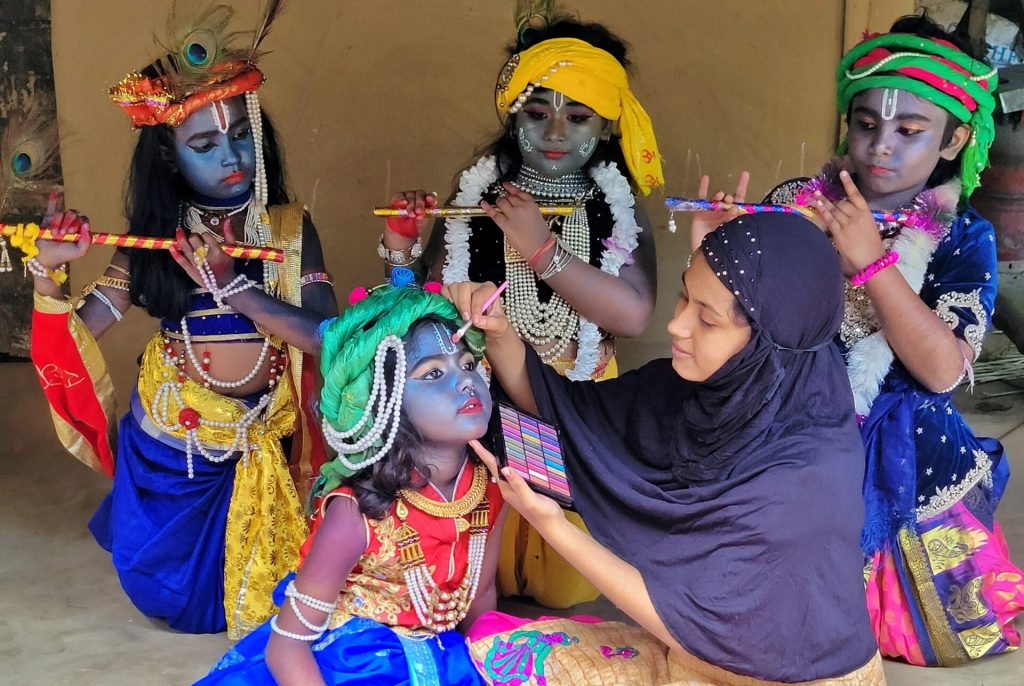
Devotees perform puja and celebrate the festival at midnight, the time they believe Krishna was born. They decorate temples and homes, place the Balkrishna idol on the asana (altar), and deck it up for the celebration. Some places show little white footprints entering the home, emulating baby Krishna coming home. Little kids dress up as Krishna and Radha. Some communities organise Dahi Handi the next day, where a clay pot filled with buttermilk is hung at a height. Different groups of young folk compete to break it by forming human pyramids.
Flowers Associated with Krishna
Decorating the mantapa and offering flowers, fruits, and sacred leaves to the God during Puja is a common everyday practice for Hindus. During festivals, this becomes extravagant. Devotees believe that certain flowers please Lord Krishna and help them invoke his blessings. People believe Lord Krishna favours specific flowers. Here, we will be covering these flowers and more, which you can use for Krishna Janmashtami.
1. Night-flowering Jasmine or Parijat
Mythology states that the Parijat emerged from the ocean during the Samudra Manthana. Lord Indra took it back to heaven with him. When Krishna gifted a flower of this tree to Rukmini, Satyabhama became jealous and demanded the entire tree. To appease her, Lord Krishna and Indra had a fierce fight, and Krishna was able to bring this tree to his home.
Krishna planted the tree in such a way that it was in Satyabhama’s courtyard, but every flower fell into Rukmini’s backyard. Lord Vishnu’s heavenly throne is placed under this tree, and Hanuman lives under its shade
Night-flowering Jasmine | Parijat Flowers That Bloom After Dusk
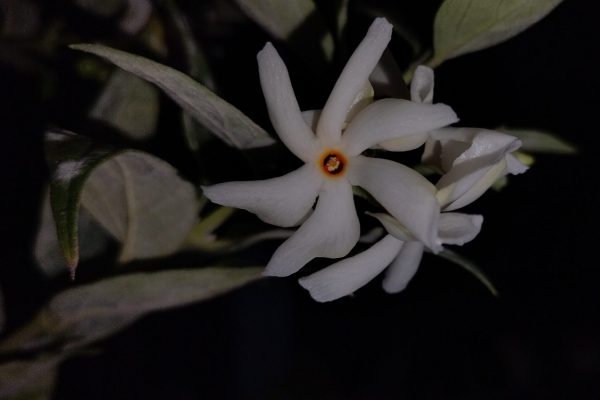
Night-flowering Jasmine/Parijat has a unique botanical rhythm- it flowers after dusk. Its white petals & orange floral tubes make it easily recognizable.
Read more2. Sacred Lotus
In this context, the Sacred Lotus symbolises divine purity, beauty, and spiritual detachment. People describe Lord Krishna as having Charana-Kamala, or “lotus feet”, and Rajeevlochan, or “lotus eyes”.
Sacred Lotus | The Science Behind the Lotus Seed Head
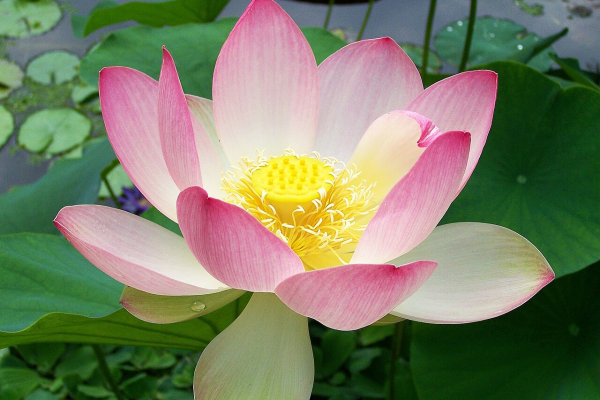
Sacred Lotus has amazing adaptations. From water-repellent leaves to heat-producing flowers, it shows how plants turn wetland challenges into advantages.
Read more3. Arabian Jasmine
Jasmine represents purity, devotion, and divine love. People cherish this flower in the worship and prayers of Lord Krishna. Ancient texts, filled with stories of Krishna, make many references to Yuthika. “She” is a beautiful Jasmine vine with fragrant, white flowers. Ancient texts have referenced Yuthika in one place:
“And look! The Yuthika-flowers in this forest smile very proudly when they attract the restless honeybees to themselves from the laps of the best housewives, the jasmine-flowers, with their fragrance … “
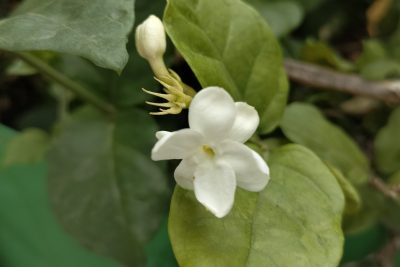
Arabian Jasmine | White Flowers, Sweet Fragrance
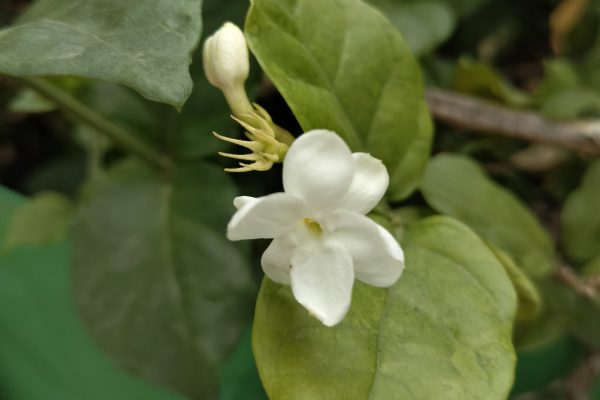
Arabian Jasmine is a tropical plant known for its fragrant white flowers and glossy foliage. People use it in perfumes, teas, and cultural ceremonies.
Read more4. Kadamba
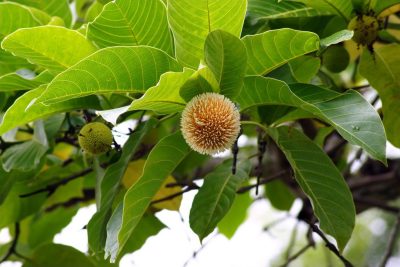
The kadamba is very sacred to Lord Krishna. Krishna spent a lot of time in the shade of this tree, playing his flute and performing the Rasa lila. It is also said that he pranked the gopis by hiding their clothes when they went to bathe in the river.
Kadamba: A Tree Full of Hidden Life
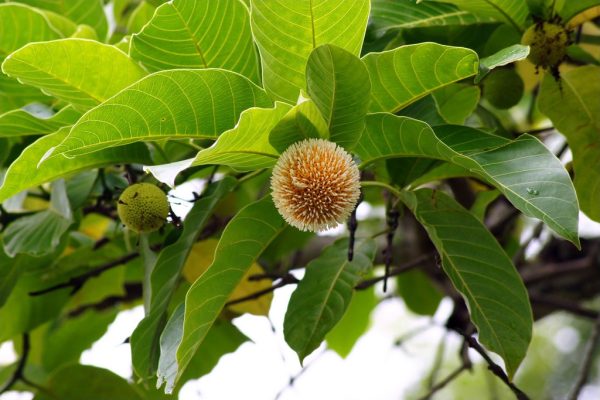
Kadamba is a fast-growing tropical tree with fragrant, yellow ball-shaped flowers & broad foliage. It is valued for shade, beauty, & cultural importance.
Read more5. Holy Basil
A variety of Holy Basil with dark purple-tinged leaves is known as Krishna Tulsi. It is a reference to his dark complexion. Devotees place a Tulsi leaf on food offerings before presenting them to Lord Krishna. Krishna devotees use a Tulsi Mala and beads to chant his name.
Devotees believe that Holy Basil/Tulsi serves as the eternal consort of Lord Vishnu and his avatar, Lord Krishna. This is the most sacred offering, and Krishna loves both the leaves and the tiny flower clusters, called manjiri.
Holy Basil | A Plant with Deep Cultural Roots
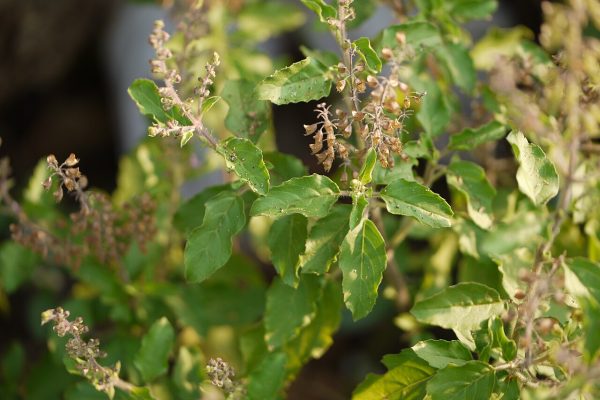
Holy Basil is deeply rooted in South Asian culture, growing in gardens, courtyards, & religious spaces, while remaining valued for its traditional uses.
Read more6. Purple Passionflower
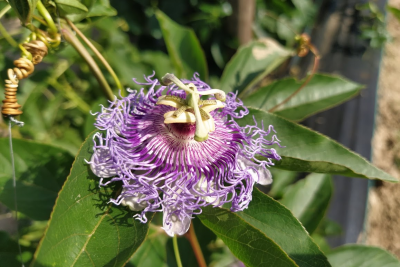
In India, the purple passionflower is called Krishna Kamal. This name comes from the structure of the flower and its references to the Mahabharata. The flower shape also resembles the Sudarshan Chakra, Lord Krishna’s weapon. The colour of the flower references Krishna’s dark complexion.
Purple Passionflower | Unusual Flower Structure
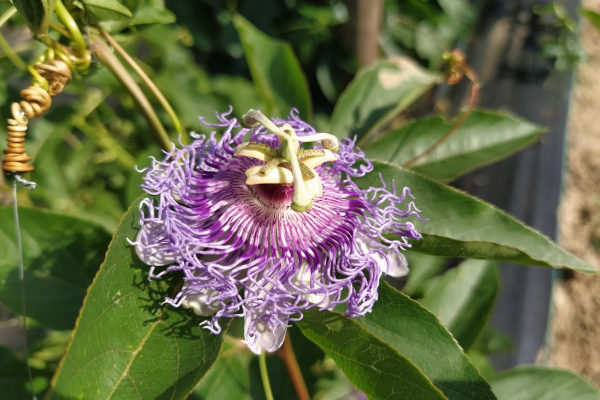
Purple Passionflower's unusual flowers support pollination, while its leaves, tendrils, and underground growth help the vine survive and reproduce.
Read more7. Marigold
Homes, temples, and altars (mantapa) are decorated during Krishna Janmashtami. Their bright yellow and orange flowers symbolize auspiciousness, positivity, and devotion. Devotees use long garlands of marigolds to decorate their spaces. People use Marigold garlands to decorate the Dahi Handi setup.
Marigold | Journey From Mexico to India
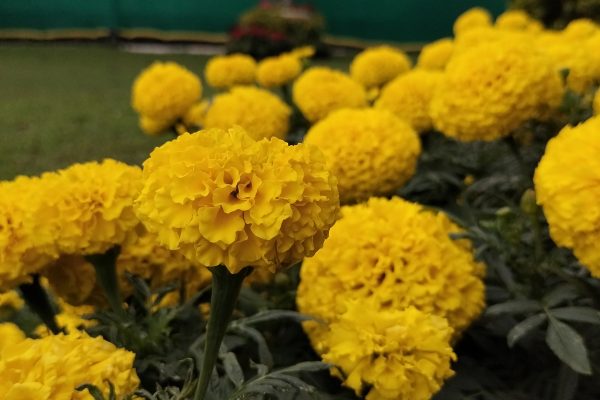
Marigold's many varieties differ in flower size, shape, color and plant height, reflecting its evolving roles in gardens, festivals and horticulture.
Read more8. Indian Rose
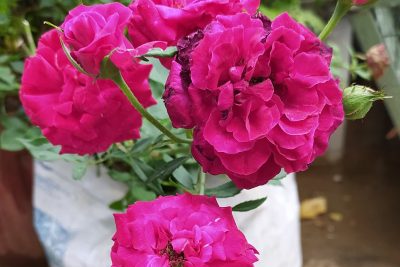
Devotees offer the highly fragrant Indian Rose, or Gulab, in prayer to the Lord. Also, they symbolise deep devotion in stories about Krishna and Radha. People weave the flowers into garlands, and these are used to decorate their space.
Indian Fragrant Rose | What Makes Its Smell So Unique?
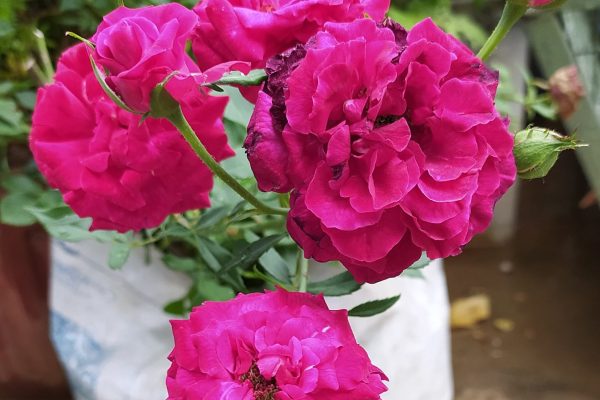
Indian Rose has a complex chemical world, helping explore plant chemistry, insect interactions, reproduction, & hidden diversity found among roses.
Read more
Frequently Asked Questions
The Kadamba is known as Lord Krishna's favourite flower. He has spent a lot of his childhood under the tree in Vrindavan.
The flower's colour is associated with Krishna's dark complexion. Also, the radial structure of the flower resembles the Sudarshan Chakra, Krishna's weapon. Additionally, The flower is interpreted by many as:
1. Five Anthers are the Pandavas
2. The many radiating purple and white filaments (petals) are the Kauravas
3. The green bulb in the center is Draupadi, wife of the Pandavas