Gardening
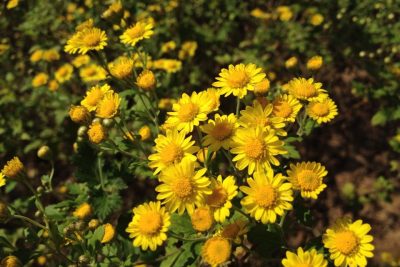
Lavender-leaved Chrysanthemum | Survival Through Adaptation
Lavender-leaved Chrysanthemum shows how plants adapt by conserving water, deterring herbivores, and using resources efficiently.
1 sighting

Learn about Asia through Asian birds, tropical and temperate plants, and diverse habitats. Use clear identification guides and field notes for exploring Asia’s rich biodiversity, ecosystems, native wildlife, and landscapes.
Lavender-leaved Chrysanthemum shows how plants adapt by conserving water, deterring herbivores, and using resources efficiently.
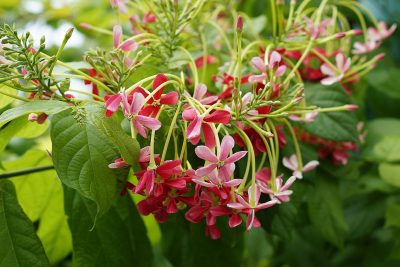
Rangoon Creeper uses scent, color, & timing to attract pollinators, linking plant reproduction, resources, & biodiversity in tropical ecosystems.
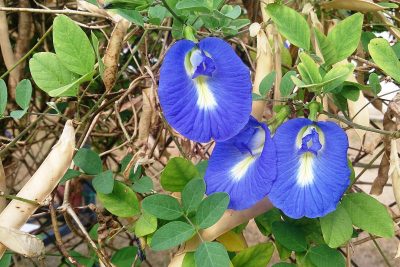
Butterfly Pea is a tropical climbing vine with vibrant blue flowers, edible pods, and herbal uses, thriving in warm climates with long…
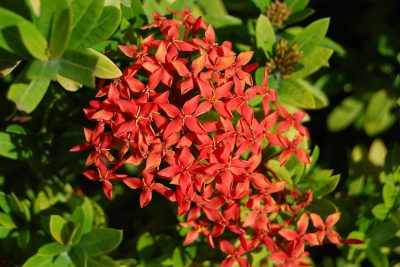
Jungle Geranium supports pollinators, insect movement, biodiversity, and habitat complexity, helping strengthen healthy garden ecosystems.
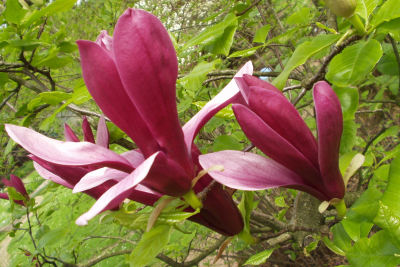
Lily Magnolia links modern gardens to ancient plant evolution, helping scientists study how flowering plants adapted & survived over millions of years.
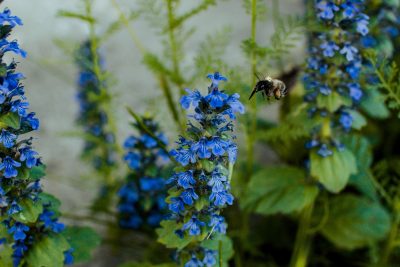
Bugleweed is a low-growing perennial with colorful foliage and blue-purple flower spikes. Ajuga Bugleweed Groundcover suppresses weeds and attracts pollinators.
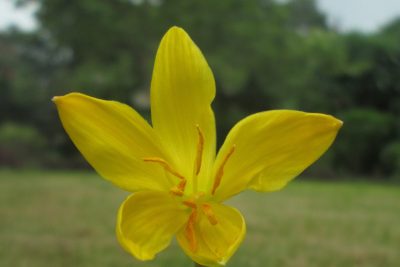
Yellow Rain Lily or Zephyranthes Citrina helps scientists track climate & seasonal changes through its rain-triggered blooms, revealing plant responses to changing…
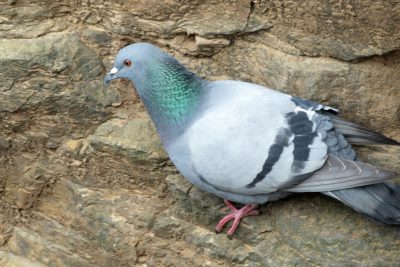
The Rock Pigeon is a highly adaptable urban bird, known worldwide for its intelligence and extraordinary ability to find its way home.
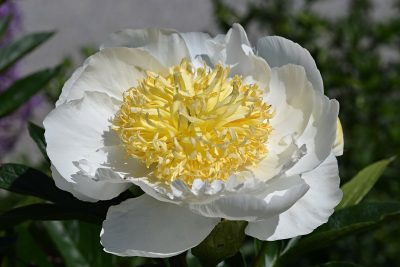
Chinese Peony is a hardy perennial with showy blooms and lush foliage. Its flowers attract pollinators and add beauty to gardens and…
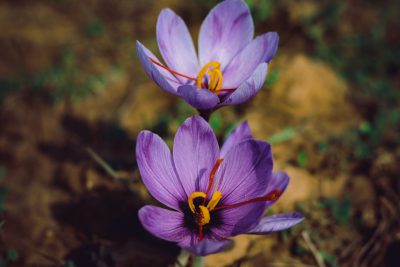
The Saffron Crocus blooms in autumn. its vivid red stigma produces saffron, the world's most valuable spice, prized for its rich color,…