Gardening
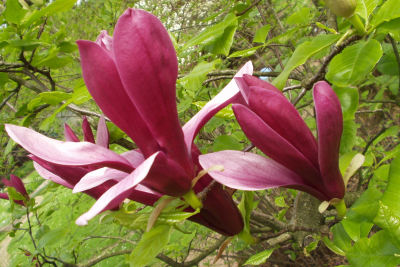
Lily Magnolia | A Botanical Time Capsule
Lily Magnolia links modern gardens to ancient plant evolution, helping scientists study how flowering plants adapted & survived over millions of years.
0 sightings

Wander garden beds and borders for songbirds, flowering plants, and backyard wildlife that share nectar, shelter, and seasonal cover in cultivated spaces.
Lily Magnolia links modern gardens to ancient plant evolution, helping scientists study how flowering plants adapted & survived over millions of years.
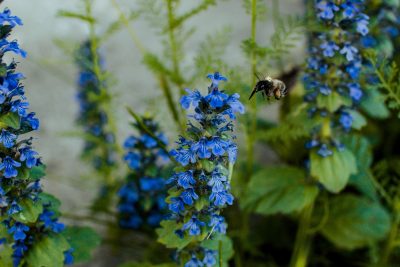
Bugleweed is a low-growing perennial with colorful foliage and blue-purple flower spikes. Ajuga Bugleweed Groundcover suppresses weeds and attracts pollinators.
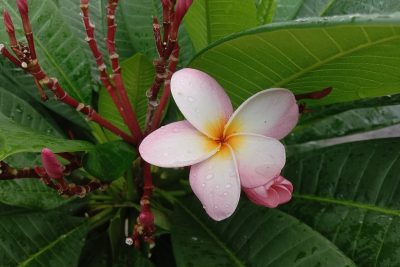
Red Frangipani is a tropical tree with fragrant flowers that bloom from spring to autumn and attract pollinators while adding beauty and…
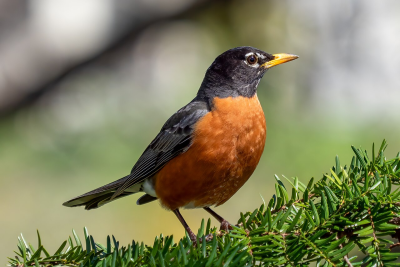
American Robins help scientists track seasonal changes, climate shifts, and ecosystem health, supporting conservation research.
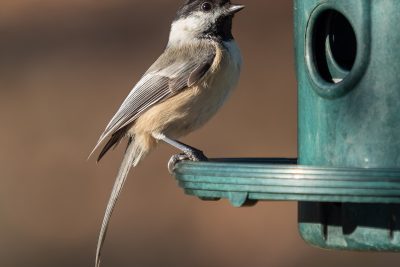
The Black-capped Chickadee shows remarkable memory, intelligence, and adaptability, helping scientists better understand animal cognition.
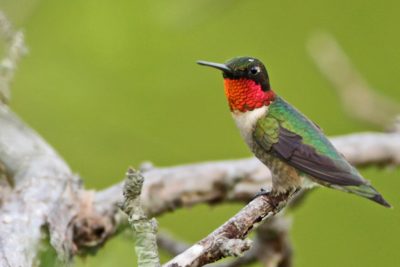
The Ruby-throated Hummingbird is a tiny, fast-flying bird with shimmering green feathers that feeds on nectar and insects and pollinates flowers.
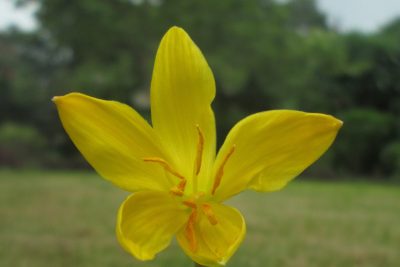
Yellow Rain Lily or Zephyranthes Citrina helps scientists track climate & seasonal changes through its rain-triggered blooms, revealing plant responses to changing…
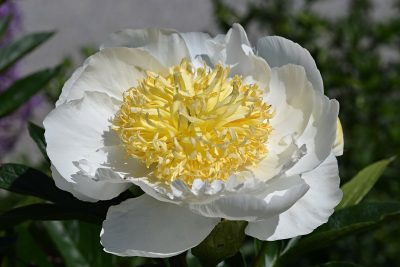
Chinese Peony is a hardy perennial with showy blooms and lush foliage. Its flowers attract pollinators and add beauty to gardens and…
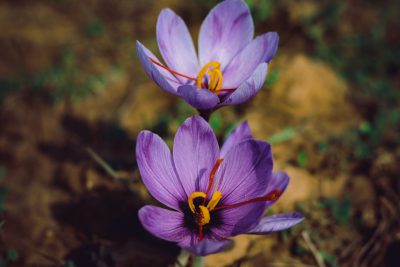
The Saffron Crocus blooms in autumn. its vivid red stigma produces saffron, the world's most valuable spice, prized for its rich color,…
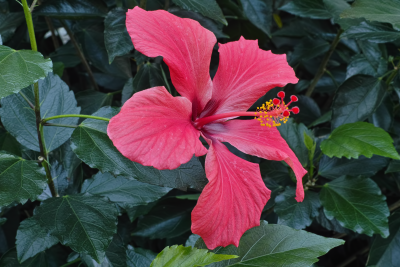
Common Hibiscus is an ornamental shrub with large, vibrant flowers. Its nectar attracts butterflies, bees, and birds, supporting pollinators.